Tag: Shrimpy (Page 1 of 2)

The Best Type of Aquarium Shrimp: An In-Depth Look

Aquarium shrimp have become increasingly popular among aquatic enthusiasts due to their vibrant colors, intriguing behaviors, and ability to help maintain tank cleanliness. Among the wide variety of shrimp species available, three types stand out as exceptional choices for aquarium hobbyists: Neocaridina, Caridina, and Amano shrimp. This essay explores these species, highlighting their unique characteristics, care requirements, and benefits to aquarium ecosystems.

Neocaridina Shrimp: The Beginner’s Delight

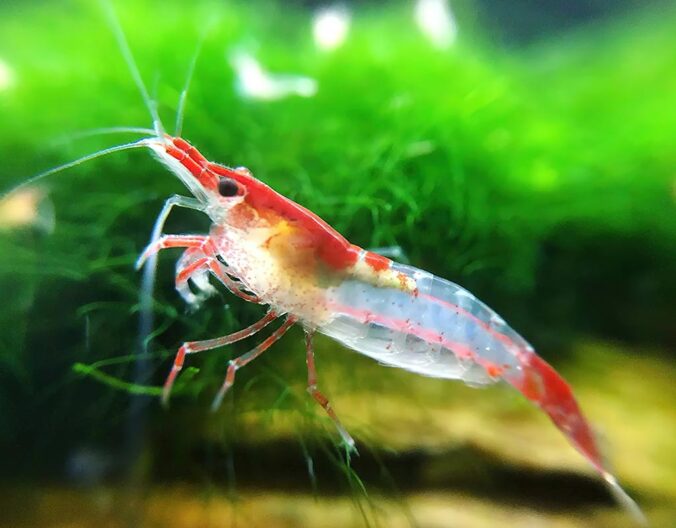
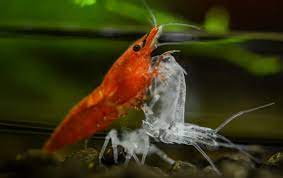
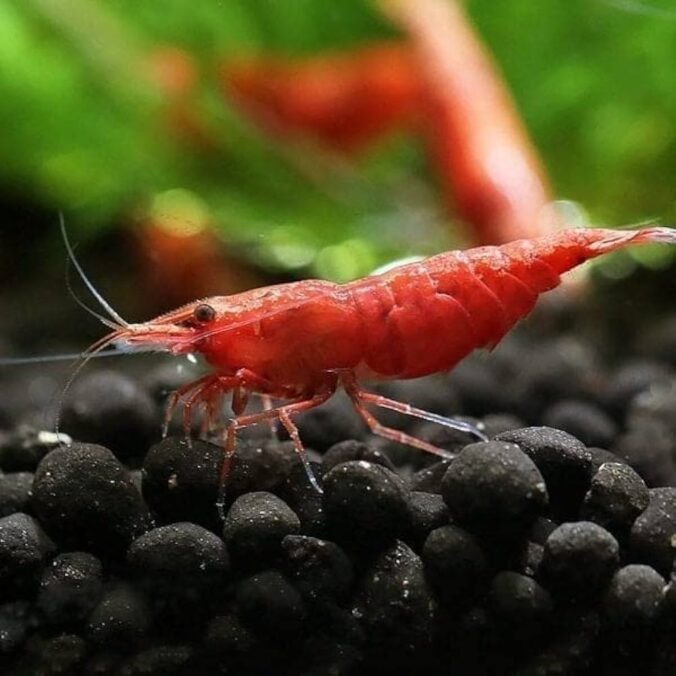
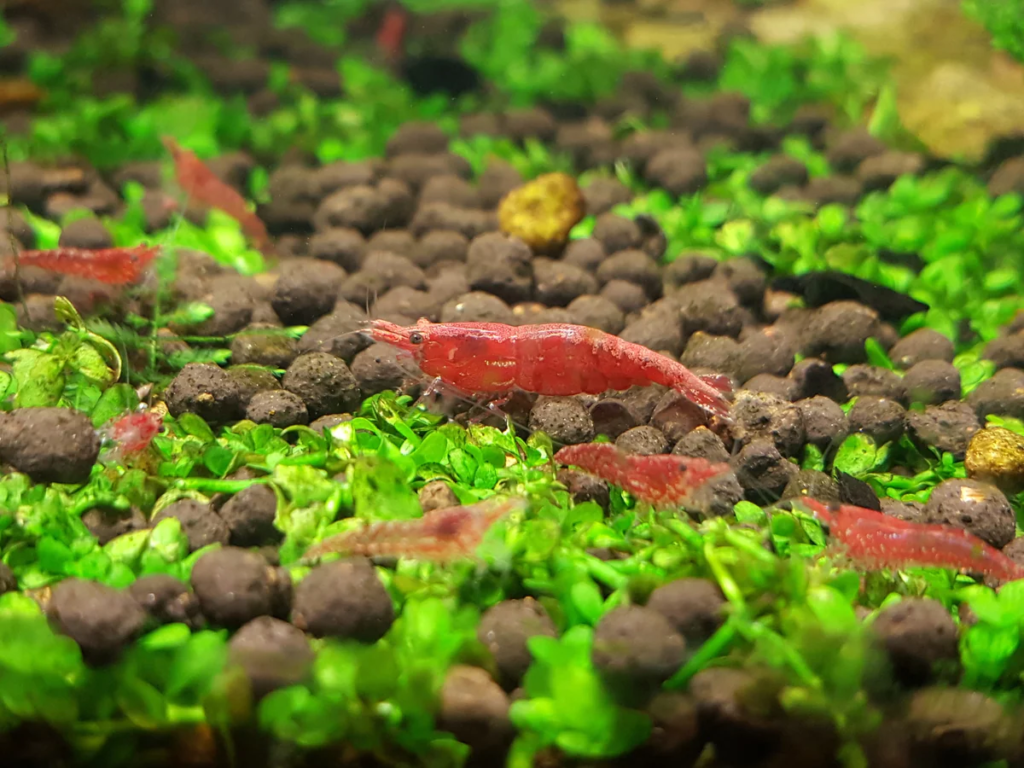
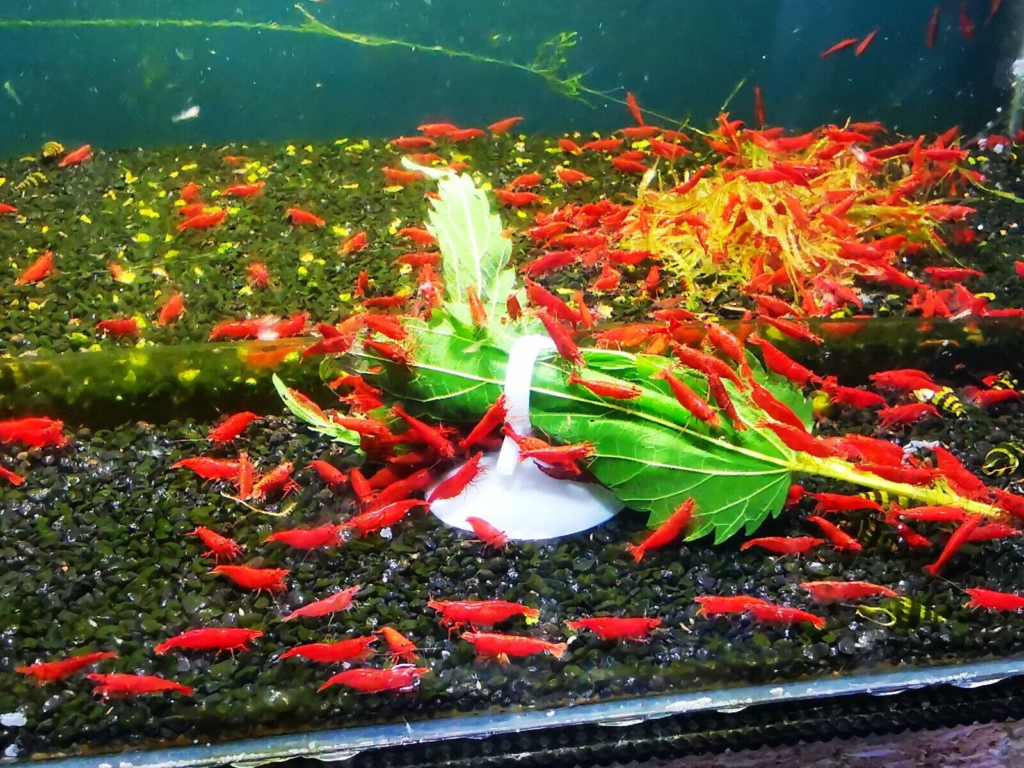
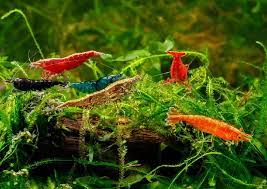
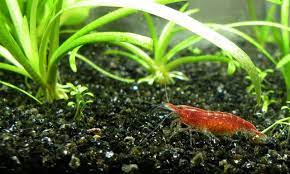
Neocaridina shrimp, particularly the Red Cherry Shrimp, are renowned for their vivid colors and ease of care. These shrimp are perfect for beginners due to their hardy nature and ability to thrive in a wide range of water conditions. They are highly adaptable, tolerating temperatures between 65-80°F and pH levels from 6.5 to 8.0.

Red Cherry Shrimp are prolific breeders, which means that under optimal conditions, they can quickly populate an aquarium. Their diet is versatile, consisting of algae, biofilm, and commercially available shrimp food. These shrimp also play a crucial role in keeping the tank clean by consuming detritus and algae, making them an essential part of a balanced aquarium ecosystem.
Caridina Shrimp: The Advanced Enthusiast’s Choice

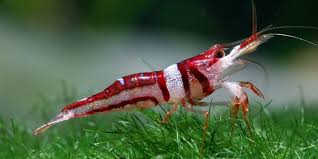
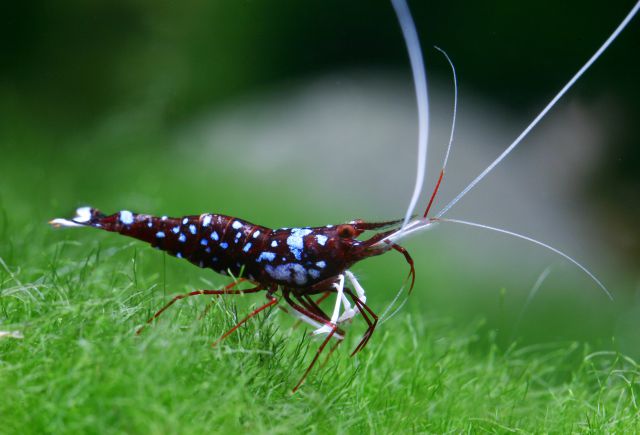
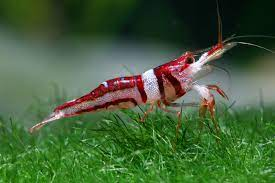
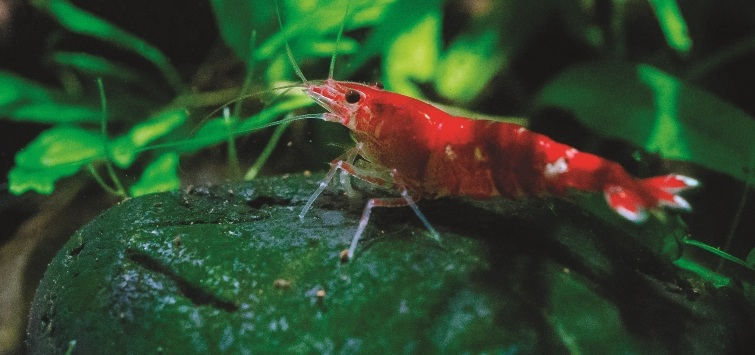
Caridina shrimp, such as the Crystal Red Shrimp, are prized for their striking patterns and colors. Unlike Neocaridina shrimp, Caridina species require more specific water parameters, making them better suited for experienced aquarists. They thrive in soft, slightly acidic water with a pH between 6.0 and 6.8 and temperatures around 70-78°F.

Crystal Red Shrimp are more sensitive to water quality and changes, necessitating a well-established and stable aquarium environment. Despite their higher maintenance needs, these shrimp reward keepers with their stunning appearance and fascinating behavior. Their diet includes high-quality shrimp pellets, blanched vegetables, and biofilm, ensuring they receive the necessary nutrients for vibrant coloration and health. They can be kept with snowball shrimp, which also thrive in similar conditions.

Amano Shrimp: The Algae-Eating Workhorse

Amano shrimp, scientifically known as Caridina multidentata, are celebrated for their exceptional algae-eating capabilities. These shrimp are larger than most ornamental shrimp, reaching up to 2 inches in length, and are highly effective in controlling algae growth in aquariums. Their diet primarily consists of various types of algae, detritus, and leftover fish food.

Amano shrimp are relatively easy to care for, making them suitable for both beginners and experienced aquarists. They prefer water conditions with a pH of 6.5 to 7.5 and temperatures ranging from 68-80°F. Due to their non-breeding nature in freshwater, Amano shrimp populations remain stable, reducing the risk of overpopulation in the aquarium.

Conclusion

In conclusion, the best type of aquarium shrimp depends on the aquarist’s experience level and the specific needs of their tank. Neocaridina shrimp are ideal for beginners due to their hardiness and adaptability, while Caridina shrimp offers a rewarding challenge for advanced hobbyists with their stunning patterns and precise care requirements. Amano shrimp, with their exceptional algae-eating abilities, are a valuable addition to any aquarium, helping to maintain a clean and balanced environment. By carefully selecting the right shrimp species, aquarists can enhance the beauty and health of their aquatic ecosystems, enjoying the many benefits these fascinating creatures provide.
Mastering Freshwater Shrimp Care: Top Tips for Aquarium Enthusiasts

Freshwater shrimp are fascinating creatures that add vibrancy and diversity to any aquarium setup. Whether you’re a seasoned aquarist or a beginner, successfully keeping freshwater shrimp requires attention to detail and proper care. With the right knowledge and techniques, you can create an ideal environment for these tiny crustaceans to thrive. Here are some top tips to help you maintain a healthy and happy freshwater shrimp aquarium.

Water Quality and Parameters

Maintaining optimal water quality is crucial for the health of freshwater shrimp. Unlike fish, shrimp are sensitive to even slight changes in water parameters. Keep ammonia and nitrite levels at zero, as these compounds can be toxic to shrimp. Regular water testing and partial water changes are essential to prevent the buildup of harmful substances.

Maintain stable pH levels between 6.5 and 7.5, as extreme pH fluctuations can stress shrimp and weaken their immune systems. Use a reliable pH testing kit and buffer the water if necessary to keep it within the ideal range. Additionally, ensure that the water hardness (GH) and carbonate hardness (KH) are suitable for shrimp species. Most freshwater shrimp thrive in moderately hard water with a KH of 3-8 dKH and a GH of 6-10 dGH. Freshwater snails can also be affected by pH and hardness levels, so maintaining these parameters will benefit all inhabitants of the aquarium.

Tank Setup and Habitat

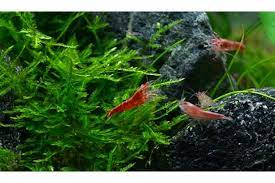
Creating a suitable habitat is vital for the well-being of freshwater shrimp. Provide plenty of hiding places and surfaces for algae growth, as shrimp love to graze on biofilm and algae. Use live plants like java moss, java fern, and anubias to provide shelter and maintain water quality. These plants also serve as natural filtration systems, absorbing nitrates and providing oxygen.

Avoid sharp decorations and coarse substrates that could injure delicate shrimp. Opt for smooth substrates like sand or fine gravel, which are gentle on their sensitive bodies. Maintain a stable temperature between 72°F and 78°F (22°C – 25°C), as fluctuations outside this range can stress shrimp and lead to health problems.

Feeding and Diet

Proper nutrition is essential for the growth and vitality of freshwater shrimp. Provide a balanced diet that includes both prepared shrimp food and natural supplements. High-quality shrimp pellets, flakes, and granules are readily available and contain essential nutrients like protein, vitamins, and minerals. Supplement their diet with blanched vegetables such as zucchini, spinach, and cucumber, which provide fiber and help promote digestion.

Avoid overfeeding, as uneaten food can decompose and pollute the water. Feed small amounts of food once or twice a day, and remove any uneaten portions after a few hours. Observing your shrimp’s feeding behavior can help you adjust their diet and ensure they receive adequate nutrition.

Conclusion

Keeping freshwater shrimp can be a rewarding experience for aquarium enthusiasts, but it requires careful attention to detail and proper care. By maintaining optimal water quality, providing a suitable habitat, and offering a balanced diet, you can create an ideal environment for your shrimp to thrive. Remember to observe your shrimp regularly and make adjustments as needed to ensure their health and well-being. With patience and dedication, you can enjoy the beauty and charm of these fascinating crustaceans in your home aquarium.

Exploring the Depths: A Guide to the Best Aquarium Stores and Equipment

Aquariums aren’t just glass boxes filled with water and fish; they’re miniature ecosystems, captivating slices of underwater life that bring tranquility and beauty into our homes. Whether you’re a seasoned aquarist or a novice enthusiast, finding the right aquarium store and equipment is crucial for creating and maintaining a thriving aquatic environment. In this guide, we’ll dive into the depths of the top aquarium stores and the essential equipment they offer.

The Aquatic Emporium: Where Selection Meets Expertise

Step into the Aquatic Emporium, and you’ll be transported into a world of aquatic wonder. With rows of tanks teeming with colorful fish, vibrant corals, and exotic plants, this store is a haven for aquarium enthusiasts. But it’s not just the impressive selection that sets the Aquatic Emporium apart—it’s the expertise of the staff. Knowledgeable professionals stand ready to offer advice on everything from tank setup and maintenance to fish compatibility and water chemistry. Whether you’re a beginner seeking guidance or an experienced hobbyist looking for rare species, the Aquatic Emporium has you covered.

Gear Up at AquaTech: Premium Equipment for Every Aquarist

No aquarium is complete without the right equipment, and AquaTech is the go-to destination for premium gear. From state-of-the-art filtration systems to advanced lighting solutions, AquaTech carries everything you need to create the perfect aquatic environment. Their knowledgeable staff can help you navigate the wide array of products, ensuring you find the right equipment for your specific needs. Plus, with their commitment to quality and customer satisfaction, you can trust that you’re investing in equipment that will stand the test of time, and their extensive selection even includes specialty items like the elusive gold rabbit snail, adding a unique touch to your underwater oasis.

Eco-Friendly Solutions at AquaScape: Sustainable Aquascaping Made Easy

For those passionate about creating stunning aquascapes while minimizing their environmental impact, look no further than AquaScape. This eco-conscious store specializes in sustainable aquarium products, from natural substrates and driftwood to energy-efficient LED lighting. Their commitment to conservation extends beyond their product offerings; AquaScape also hosts workshops and educational events to promote responsible aquascaping practices. With AquaScape, you can create a breathtaking underwater landscape while treading lightly on the planet.

Conclusion

Whether you’re embarking on your first aquarium journey or looking to upgrade your existing setup, choosing the right store and equipment is essential for success. From the vast selection and expert guidance of the Aquatic Emporium to the premium gear of AquaTech and the eco-friendly solutions of AquaScape, there’s something for every aquarist. So dive in, explore, and create your slice of underwater paradise. With the best aquarium stores and equipment at your fingertips, the possibilities are endless.

Mastering the Art of Aquarium Shrimp Care: 10 Essential Steps for Proper Storage

Proper storage of aquarium shrimp is crucial for maintaining their health and vitality. Whether you’re a seasoned aquarist or just starting, following the right steps ensures your shrimp thrive in their environment. From water parameters to feeding schedules, each aspect plays a vital role in their well-being. Here, we present 10 essential steps for the proper storage of aquarium shrimp.

Choose the Right Tank

Select a tank that provides ample space for your shrimp to move around comfortably. Ensure it has a secure lid to prevent escapes and maintain stable water conditions, especially crucial for sensitive species like amano shrimp.

Establish Ideal Water Parameters

Maintain optimal water parameters such as temperature, pH, and hardness suitable for the specific species of shrimp you’re housing. Regularly test and adjust these parameters to ensure a stable environment.

Use Quality Filtration

Invest in a reliable filtration system to keep the water clean and free from toxins. Shrimp are sensitive to ammonia and nitrites, so a well-functioning filter is essential for their health.

Provide Adequate Substrate

Choose a substrate that promotes beneficial bacteria growth and provides a natural habitat for your shrimp. Sand or fine gravel works well for most species and allows them to forage for food.

Offer Hiding Places

Include decorations such as driftwood, rocks, and plants to create hiding spots for your shrimp. This helps reduce stress and provides a sense of security, especially in a community tank.

Maintain Consistent Lighting

Keep lighting consistent with a timer to simulate natural day and night cycles. Avoid excessive light exposure, as it can lead to algae growth and stress for your shrimp.

Feed a Balanced Diet

Provide a varied diet consisting of high-quality shrimp pellets, algae wafers, blanched vegetables, and occasional treats like frozen or live foods. Avoid overfeeding, as uneaten food can degrade water quality.

Perform Regular Water Changes

Schedule routine water changes to remove debris, replenish essential minerals, and maintain water quality. Aim for weekly or bi-weekly changes of 10-20% of the tank volume.

Monitor Health and Behavior

Regularly observe your shrimp for any signs of illness or abnormal behavior. Look out for symptoms such as lethargy, discoloration, or unusual swimming patterns, and take prompt action if necessary.

Quarantine New Additions

Before introducing new shrimp to your tank, quarantine them in a separate tank for at least two weeks. This helps prevent the spread of diseases and ensures they are healthy before joining your main aquarium.

Conclusion

Proper storage of aquarium shrimp requires attention to detail and a commitment to maintaining optimal conditions. By following these 10 steps, you can create a thriving environment for your shrimp, promoting their health, longevity, and vibrant colors. Remember to always research the specific requirements of the shrimp species you’re keeping and adapt your care accordingly. With proper care and dedication, your aquarium shrimp will flourish and bring joy to your aquatic world.

Enhancing Shrimp Health: The Best Aquarium Supplements for Optimal Care

Aquarium enthusiasts often find joy in creating a thriving underwater ecosystem, and keeping shrimp has become increasingly popular in the world of aquatic hobbyists. Shrimp, with their vibrant colors and engaging behaviors, add a unique charm to aquariums. To ensure the well-being and longevity of these fascinating creatures, it is crucial to provide them with the right environment and nutrition. This essay explores the best aquarium supplements for keeping shrimp, aiming to guide enthusiasts toward creating a habitat conducive to shrimp health and vitality.

Mineral Supplements

One of the essential aspects of maintaining a healthy shrimp tank is ensuring proper mineral balance. Calcium and magnesium are vital for molting and exoskeleton development in shrimp. Dedicated mineral supplements, such as calcium carbonate or crushed coral, can be added to the aquarium substrate to enhance water hardness. This is particularly crucial for species like Caridina, which require specific water parameters for successful molting. Regular testing and adjustment of mineral levels contribute to a stable environment, reducing the risk of molting-related issues and promoting overall shrimp well-being.

Biofilm Enhancers

Shrimp are natural grazers, and their diet heavily relies on biofilm—a thin layer of microorganisms that forms on surfaces in the aquarium. Introducing biofilm enhancers, such as Indian almond leaves or botanicals like mulberry leaves, not only provides a natural food source but also creates a more enriched environment for shrimp. These supplements contribute to the development of bioactive substrates, fostering the growth of beneficial microorganisms that serve as a continuous and nutritious food supply for shrimp. Biofilm enhancers mimic the natural conditions found in their native habitats, promoting natural behaviors and supporting the overall health of the shrimp population.

Iodine Supplements

Iodine plays a crucial role in molting, growth, and overall health of shrimp. In aquariums, iodine levels can gradually deplete over time, affecting the shrimp’s ability to molt successfully and leading to potential health issues. Introducing iodine supplements, either through commercial products or natural sources like iodine-rich foods, helps maintain the necessary iodine levels in the water. Proper iodine supplementation is particularly important for shrimp breeding, as it ensures the development of healthy offspring with robust exoskeletons. Careful monitoring and adjustment of iodine levels contribute to a thriving shrimp community, promoting successful molting and reproduction. This is especially significant for specialized breeds such as black rose shrimp, where optimal iodine levels are vital for their well-being.

Conclusion

In conclusion, the well-being of shrimp in aquariums is intricately linked to the quality of their environment and nutrition. Mineral supplements, biofilm enhancers, and iodine supplements stand out as crucial components in creating an optimal habitat for shrimp. By addressing these aspects, aquarists can not only enhance the visual appeal of their tanks but also contribute to the longevity and vibrancy of their shrimp populations. As with any aspect of aquarium care, regular testing, observation, and adjustments are key to ensuring the continued health and happiness of these fascinating aquatic creatures.

Harmony in the Tank: Achieving Compatibility Among Aquarium Shrimp and Their Tankmates

Creating a harmonious aquarium environment involves careful consideration of the compatibility among its inhabitants. Among the fascinating aquatic creatures that aquarium enthusiasts often choose to keep are shrimp. These small crustaceans can add vibrancy and diversity to your tank. However, ensuring their compatibility with other aquarium inhabitants is crucial for the overall well-being of the aquatic community. In this guide, we will explore the key aspects of aquarium shrimp compatibility and provide insights into maintaining a balanced and thriving tank.

Shrimp Species Compatibility

Not all shrimp species exhibit the same behaviors and temperaments. Therefore, it’s essential to choose compatible shrimp species or carefully curate a community with similar needs. Popular freshwater shrimp species like Cherry Shrimp (Neocaridina davidi) and Amano Shrimp (Caridina multidentata) are known for their peaceful nature and adaptability. These species generally coexist well with each other and with various community fish.

However, it’s crucial to be cautious when introducing aggressive or predatory species, such as larger cichlids or certain types of freshwater pufferfish. These may view shrimp as potential snacks, posing a threat to their well-being. Always research the specific requirements and behaviors of both shrimp and other species in your tank to ensure compatibility.

Water Parameters and Tank Conditions

Maintaining stable water parameters is vital for the health of aquarium shrimp and their tankmates. Different species have varying requirements regarding water temperature, pH levels, and hardness. Therefore, it’s essential to choose tankmates that share similar preferences.

For instance, if you keep shrimp that thrive in slightly acidic and soft water, such as Crystal Red Shrimp (Caridina cantonensis), including Cherry Shrimp, it’s advisable to select fish species that also prefer these conditions. Similarly, some fish may have specific dietary needs or may be more sensitive to water quality, so understanding the compatibility of these factors is crucial.

Furthermore, provides ample hiding spaces for shrimp to molt and seek refuge. Driftwood, live plants, and mosses can create a natural environment that benefits both shrimp and their tankmates. Adequate hiding spots contribute to a stress-free environment, allowing shrimp to exhibit natural behaviors while minimizing the risk of conflicts with other inhabitants.

Feeding Considerations

One aspect of compatibility often overlooked is the feeding habits of different aquarium inhabitants. Shrimp are generally peaceful grazers, consuming algae, biofilm, and leftover food particles. However, some fish species are aggressive feeders and may outcompete shrimp for food. To address this, consider the feeding habits of all tank inhabitants when selecting their companions.

Choosing slow and deliberate feeders, such as small schooling fish or bottom-dwelling species, can help ensure that shrimp have sufficient time to access their share of food. Additionally, providing a well-balanced diet that meets the nutritional needs of all inhabitants contributes to a healthier and more compatible aquarium community.

Conclusion

In conclusion, achieving compatibility among aquarium shrimp and other inhabitants requires thoughtful consideration of various factors. Selecting suitable shrimp species, understanding water parameter preferences, creating an appropriate tank environment, and addressing feeding habits are crucial steps in fostering a thriving aquatic community. By investing time in research and planning, aquarium enthusiasts can create a balanced and harmonious environment where shrimp and their tankmates coexist in beauty and tranquility.

The Safety of Keeping Shrimp in a 500-Gallon Aquarium

Aquariums have long been a source of fascination for people of all ages, offering a glimpse into the captivating underwater world. Among the numerous species that enthusiasts choose to keep, shrimp have gained popularity due to their intricate behaviors and vibrant colors. However, the safety of keeping shrimp in a 500-gallon aquarium remains a topic of concern for many. In this essay, we will explore the various aspects of shrimp care in large aquariums, considering factors related to water quality, tank mates, and sustainability.

Water Quality

Maintaining water quality is paramount in ensuring the safety of shrimp in an aquarium. Shrimp, particularly freshwater and marine species, are sensitive to changes in water parameters. In a larger aquarium, the volume of water can offer some stability, but it also presents a greater challenge to maintain consistent conditions. Shrimp thrive in stable conditions, which means that diligent monitoring of water parameters is necessary. Factors such as temperature, pH, ammonia, nitrites, and nitrates need to be closely regulated. Frequent water testing and the use of high-quality filtration systems are essential for their well-being. Additionally, maintaining proper water hardness and providing essential minerals like calcium is crucial for the molting process, an integral part of a shrimp’s life cycle.

Tank Mates

The choice of tank mates in a 500-gallon aquarium can significantly impact the safety of the shrimp. Shrimp often coexist with various fish and other aquatic creatures, but compatibility is key. Some fish species are notorious for preying on shrimp, making it vital to select non-predatory species. Peaceful community fish, such as certain tetras and gouramis, can be suitable companions for shrimp. It’s important to research the specific needs and behaviors of any potential tank mates to avoid unintentional harm to the shrimp. Maintaining a suitable population of shrimp is also crucial, as overcrowding can lead to stress and territorial disputes.

Sustainability

Shrimp populations in the wild face various threats, including habitat destruction and overfishing. As responsible aquarium enthusiasts, it’s essential to consider the sustainability of keeping shrimp in captivity, especially when it comes to caridina shrimp. Breeding programs and sustainable sourcing of shrimp species can help reduce the pressure on wild populations. Aquarists should prioritize purchasing shrimp from reputable sources and seek captive-bred individuals whenever possible. This practice not only ensures a sustainable hobby but also contributes to conservation efforts.

Conclusion

Keeping shrimp in a 500-gallon aquarium can be safe and rewarding when proper care and consideration are considered. Maintaining water quality through regular testing and filtration, choosing compatible tank mates, and supporting sustainable practices are all critical factors in ensuring the well-being of these captivating aquatic creatures. Shrimp enthusiasts must commit to responsible aquarium keeping to preserve the health and beauty of their underwater ecosystems while contributing to the protection of shrimp species in the wild. By adhering to these principles, one can create a harmonious environment for shrimp in a 500-gallon aquarium, allowing both the aquarium and the shrimp to thrive.

Essential Accessories for Your Shrimp Aquarium

Introduction

Creating a thriving and captivating shrimp aquarium requires more than just water and shrimp. The right accessories not only enhance the aesthetic appeal of the tank but also play a crucial role in maintaining a healthy environment for your shrimp. Whether you’re a beginner or an experienced hobbyist, understanding the essential accessories for your shrimp aquarium is key to creating a successful aquatic ecosystem.

Filtration and Circulation

A well-functioning filtration system is the backbone of any shrimp aquarium. Shrimp are sensitive to water quality, and a good filtration system helps remove waste, toxins, and debris, ensuring optimal water conditions. Consider investing in a quality sponge filter, which provides gentle filtration without sucking up tiny shrimp or their eggs. A sponge pre-filter can also be added to the intake of the filter to prevent shrimp from getting trapped. Proper circulation is equally important, as it ensures even distribution of heat, oxygen, and nutrients throughout the tank. Powerheads or air pumps can be used to achieve gentle water movement, promoting better oxygen exchange and preventing stagnant areas.

Substrate and Hiding Places

Choosing the right substrate is more than just a matter of aesthetics – it directly impacts the well-being of your shrimp. Shrimp love to forage and explore, so a substrate that supports their natural behavior is ideal. A fine-grained substrate like sand or specialized shrimp substrate allows them to sift through it in search of food. Additionally, incorporating various hiding places such as driftwood, caves, and plants creates a sense of security for the shrimp. Live aquatic plants not only serve as hiding spots but also contribute to the water quality by absorbing nitrates and providing oxygen.

Lighting and Monitoring

Proper lighting is essential for both the health of your aquatic plants and the vibrant colors of your shrimp, including caridina shrimp. LED lights are energy-efficient and customizable, allowing you to replicate natural lighting conditions and cycle through day and night settings. However, avoid excessive lighting, as shrimp also require periods of darkness. Monitoring tools such as thermometers and water testing kits are indispensable. Shrimp, including caridina shrimp, thrive within specific temperature and water parameter ranges, so regular monitoring and adjustments are crucial to prevent stress or health issues.

Conclusion

Creating a stunning and thriving shrimp aquarium requires careful consideration of the accessories you incorporate. Filtration and circulation maintain water quality, while the right substrate and hiding places provide a conducive environment for natural behavior. Adequate lighting and monitoring tools ensure that the ecosystem remains balanced and the shrimp flourish. By investing in these essential accessories, you’ll not only provide a visually appealing display but also ensure the well-being of your shrimp community. Remember, a successful shrimp aquarium is not just a habitat; it’s a captivating slice of aquatic life that you nurture and enjoy.

Creating an Ideal Habitat: Conditions for Keeping Shrimp in an Aquarium

Introduction

Keeping shrimp in an aquarium can be a captivating and rewarding endeavor for aquarists of all levels of expertise. These tiny crustaceans add a unique charm to aquatic environments, showcasing vibrant colors and engaging behaviors. However, ensuring the well-being of shrimp requires a thoughtful approach to their habitat. This guide outlines the key conditions and considerations for maintaining a thriving shrimp aquarium.

Aquarium Setup and Size

The first step towards successful freshwater shrimp keeping is selecting an appropriate aquarium size and setting up the habitat, as shrimp thrive in densely planted tanks that mimic their natural environments, providing hiding spots and ample grazing surfaces. A tank with a capacity of at least 5 gallons is recommended for a small shrimp colony. The use of fine substrates, such as sand or specialized shrimp substrates, allows them to forage for food and molt comfortably. Live plants like java moss, anubias, and marimo balls not only enhance the aesthetic appeal but also help maintain water quality by absorbing excess nutrients.

Water Parameters and Quality

Maintaining optimal water parameters is crucial for the health of shrimp. These creatures are sensitive to changes in water chemistry. Keep the water temperature between 72°F to 78°F (22°C to 26°C) and maintain a stable pH level around 6.5 to 7.5. A moderate water hardness of 6 to 8 dGH and low ammonia and nitrite levels are essential. Regular water changes of 10-20% every week help maintain water quality and keep the environment stable. Using a good quality water conditioner to remove chlorine and chloramines from tap water is recommended.

Diet and Feeding

Shrimp are primarily scavengers and grazers, so their diet should consist of a variety of high-quality foods. Specialized shrimp pellets, algae wafers, and blanched vegetables like spinach, zucchini, and carrots provide essential nutrients. Additionally, supplement their diet with biofilm, which naturally grows on surfaces in a matured aquarium. Overfeeding should be avoided, as excess food can lead to water quality issues. Offer a small amount of food that the shrimp can consume within a couple of hours and remove any uneaten portions promptly.

Conclusion

Creating a suitable habitat for shrimp in an aquarium requires attention to detail and an understanding of their specific needs. By setting up an adequately sized tank with proper substrate, plants, and hiding spots, you provide a comfortable environment. Maintaining stable water parameters, including temperature, pH, hardness, and water quality, is essential for their well-being. Lastly, a balanced diet consisting of quality foods ensures their nutritional requirements are met. With dedication and proper care, a shrimp aquarium can evolve into a thriving microcosm that brings joy and fascination to any aquarist willing to embark on this aquatic journey.

Exploring the World of Freshwater Shrimp: Adaptations, Habitat, and Ecological Significance

Introduction

Freshwater shrimp, also known as freshwater prawns or crayfish, are fascinating creatures that thrive in rivers, lakes, and ponds around the world. With their distinctive appearance and interesting behaviors, these crustaceans have captured the attention of both aquarists and culinary enthusiasts. In this article, we will explore the world of freshwater shrimp, their habitat, their unique adaptations, and their significance in various ecosystems.

Habitat and Distribution

Freshwater shrimp can be found in a diverse range of habitats across the globe. They inhabit freshwater bodies such as rivers, streams, lakes, and even underground caves. These adaptable creatures have a wide distribution, with different species inhabiting various regions worldwide, from tropical rainforests to temperate climates. The availability of suitable shelter, food sources, and water quality are crucial factors that determine their presence in a particular habitat.

You can find a variety of freshwater shrimp species, with their specific habitat preferences, at your local freshwater fish store.

Fascinating Adaptations

Freshwater shrimp possess several remarkable adaptations that contribute to their survival and success. One notable adaptation is their ability to breathe through their gills. Unlike their marine counterparts, freshwater shrimp extract oxygen directly from the water using specialized feathery appendages known as gills. These gills allow them to extract dissolved oxygen efficiently, enabling them to thrive in oxygen-rich freshwater environments.

Another fascinating adaptation is their well-developed sensory organs. Freshwater shrimp have highly sensitive antennae that help them navigate their surroundings, locate food, and detect potential predators. Additionally, their segmented exoskeleton protects against physical injuries and serves as a framework for muscle attachment, allowing for precise movement and agility.

Ecological Significance

Freshwater shrimp play a crucial role in various ecosystems, contributing to the overall health and balance of aquatic environments. They are efficient scavengers, feeding on decaying organic matter, algae, and detritus, thereby helping to maintain water quality by reducing pollutants. Their feeding activities also promote nutrient cycling, as they break down organic materials into smaller particles that are further utilized by other organisms in the food chain.

Furthermore, freshwater shrimp serve as an essential food source for many other aquatic creatures, including fish, amphibians, and birds. Their abundance and availability make them a valuable link in the food web, supporting the biodiversity of their respective ecosystems.

Conclusion

Freshwater shrimp are captivating creatures that thrive in freshwater habitats worldwide. With their remarkable adaptations, such as gills for respiration and sensitive antennae for navigation, they have successfully adapted to diverse environments. Beyond their unique characteristics, these crustaceans also play a significant ecological role by contributing to nutrient cycling and serving as a vital food source for various organisms. Whether admired in aquariums or harvested for culinary purposes, freshwater shrimp continue to fascinate and contribute to the natural world in numerous ways.

« Older posts