Tag: Shrimpy Business

Caring for Blue Mystery Snails: The Unsung Heroes of Your Aquarium

Blue Mystery Snails are captivating additions to any freshwater aquarium. Known for their vibrant blue hue and peaceful nature, these snails are more than just decorative—they play an essential role in maintaining your tank’s cleanliness and balance. Proper care ensures they thrive and continue to contribute to your aquarium’s ecosystem.

Setting Up the Ideal Environment

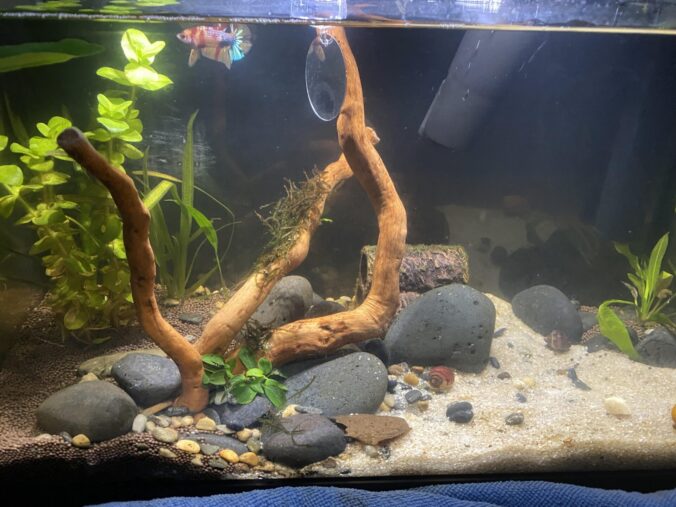
Creating the right habitat is crucial for your Blue Mystery Snails’ health and happiness. Start with a well-maintained freshwater tank:

  • Tank Size: While Mystery Snails don’t require a lot of space, a minimum of 10 gallons is ideal to prevent overcrowding, especially if you have other tank inhabitants.
  • Water Conditions: Maintain a pH between 7.0 and 8.0 and avoid soft water, as it can erode their shells. The ideal temperature range is 68°F to 82°F.
  • Substrate: Smooth substrates, like sand or fine gravel, protect their delicate shells as they glide along the bottom.
  • Filtration and Oxygenation: A well-filtered tank with adequate oxygen levels helps these snails thrive. Avoid strong currents, as they prefer calmer waters, but also, take a look at your aquarium plants.

Providing a healthy and stable environment ensures your snails feel at home while contributing to the tank’s overall balance.

Feeding and Nutrition

Though Blue Mystery Snails are often hailed as excellent algae eaters, they still need a balanced diet to stay healthy.

  • Natural Grazing: They consume algae growing on tank surfaces, but this alone isn’t enough to meet their nutritional needs.
  • Supplementary Foods: Provide sinking algae wafers, blanched vegetables (like zucchini or spinach), and calcium-rich foods to support their shells.
  • Feeding Tips: Feed sparingly to avoid water quality issues. Remove uneaten food within 24 hours to maintain cleanliness.

A diverse diet ensures your snails receive the nutrients they need to maintain their vivid coloration and sturdy shells.

Maintaining Their Health

Healthy Blue Mystery Snails are active and alert, often exploring every corner of the tank. Regular care and observation help you spot and address any potential issues.

  • Shell Care: Monitor their shells for cracks, discoloration, or erosion. If you notice damage, consider adding cuttlebone or liquid calcium to the tank.
  • Tankmates: Avoid housing them with aggressive fish or species known for nipping at snails, like certain cichlids or loaches.
  • Reproduction Control: Mystery Snails lay eggs above the waterline, so keep an eye out for clutches if you want to manage their population.

With proper attention, these snails will not only thrive but also help keep your tank clean and balanced.

Blue Mystery Snails are more than just charming additions to your aquarium—they are diligent cleaners and fascinating creatures. By providing them with a suitable environment, balanced nutrition, and proper care, you’ll ensure they remain happy and healthy while playing their vital role in your tank’s ecosystem. These unsung heroes truly deserve a spot in any freshwater setup!
Best Nano Fish Species for Small Aquariums: A Guide for Beginners

Setting up a nano aquarium is a rewarding experience, especially for those new to fishkeeping. Small aquariums, typically ranging from 5 to 20 gallons, offer an intimate glimpse into aquatic life without requiring extensive space or maintenance. However, choosing the right fish species for these tiny ecosystems is crucial. Nanofish is perfect for small tanks, not only because of their size but also because they are compatible with limited environments. In this guide, we’ll introduce some of the best nanofish species for beginners, ensuring your small aquarium thrives with minimal effort.

Neon Tetras: Bright and Peaceful Schoolers

Neon tetras are one of the most popular nanofish species for small aquariums. Known for their vibrant blue and red stripes, these peaceful schoolers add a splash of color to any tank. They grow to about 1.5 inches, making them ideal for nano tanks. Neon tetras are hardy and easy to care for, which is great for beginners. They prefer to be kept in groups of six or more, so a small school of neon tetras in a 10-gallon tank can create a visually stunning display of synchronized swimming.

When setting up your aquarium for neon tetras, it’s essential to provide them with a planted environment. These fish thrive in tanks with plenty of hiding spots, and plants like Java moss and Anubias can create a more natural feel. The ideal water temperature for neon tetras is between 70-81°F, with slightly acidic water conditions. Their peaceful nature makes them great tank mates for other small, non-aggressive species.

Betta Fish: The Solo Star of the Aquarium

Betta fish, also known as Siamese fighting fish, are another popular choice for nano aquariums and some can say they are the best nano fish. Known for their flowing fins and vibrant colors, bettas can be the focal point of any small tank. Unlike schooling fish, bettas are territorial and prefer to live alone, making them perfect for single-species tanks. A 5-gallon tank is sufficient for a single betta, but a larger tank allows for more swimming space and the addition of plants or decorations.

Bettas are relatively easy to care for, but they do require specific water conditions. They thrive in warm water, ideally between 76-82°F, and prefer calm currents. Betta fish also benefit from a planted environment, with floating plants being particularly suitable as they enjoy coming up to the surface for air. While bettas are stunning in their solitary beauty, it’s important to avoid housing them with other aggressive fish or fin-nipping species to prevent stress or injury.

Celestial Pearl Danios: Tiny Jewels of the Tank

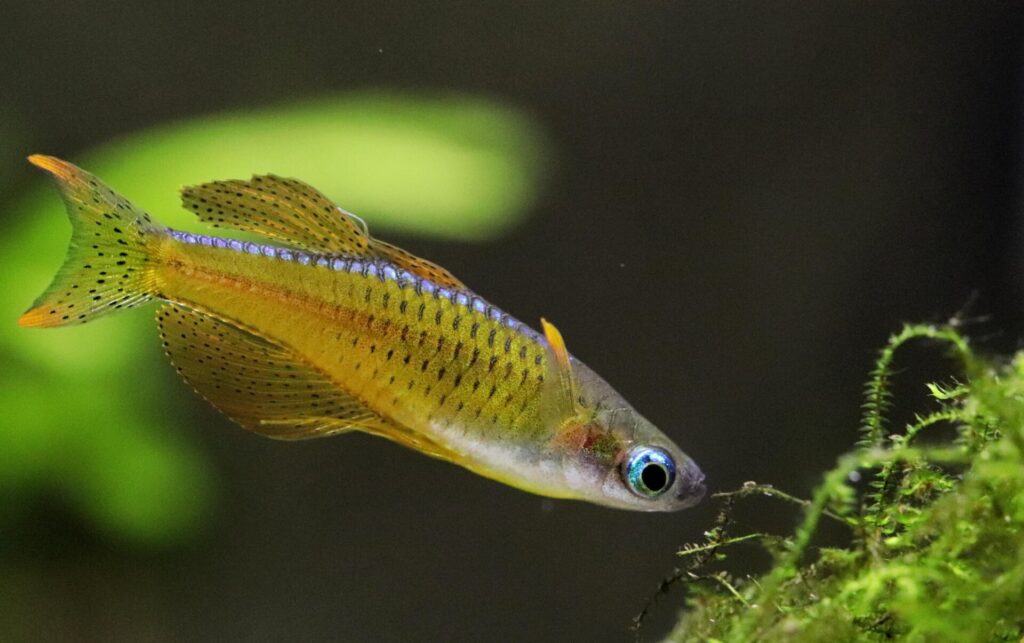
Celestial pearl danios, also known as galaxy rasboras, are a great option for nano aquariums. Their stunning appearance—marked by iridescent blue bodies with pearl-like spots and orange fins—makes them stand out despite their small size, usually less than 1 inch in length. These fish are peaceful and thrive in small groups, making them perfect for a community nano tank.

Celestial pearl danios do well in planted tanks, where they can hide and feel secure. They prefer water temperatures between 72-79°F and are generally hardy fish, suitable for beginners. Their calm demeanor allows them to coexist peacefully with other small fish, shrimp, and snails, making them an excellent addition to a well-planned nano tank. Just ensure that you keep them in schools of at least five to six individuals to promote healthy social behavior.

Conclusion

Starting a nano aquarium can be an enjoyable and rewarding experience, especially with the right fish species. Neon tetras, bettas, and celestial pearl danios are all excellent choices for beginners due to their manageable size, low-maintenance care, and stunning beauty. By providing the right environment and keeping their needs in mind, you can create a thriving aquatic habitat even in a small space. With these fish, your nano tank will become a vibrant and peaceful underwater world.

Freshwater Fish Store Spotlight: What to Look for When Buying Shrimp, Crabs, and Nano Fish

When it comes to creating a vibrant, thriving freshwater aquarium, selecting the right species is crucial. Shrimp, crabs, and nanofish are popular choices for aquarists due to their unique characteristics and relatively easy maintenance. However, buying healthy specimens from a reputable freshwater fish store is essential for long-term success. In this guide, we’ll explore what to look for when purchasing shrimp, crabs, and nanofish to ensure they thrive in your aquarium.

1. Choosing Healthy Shrimp

Shrimp, such as cherry shrimp or Amano shrimp, are excellent for adding color and cleaning algae. When buying, look for shrimp that are active and foraging. First, observe their behavior. Healthy shrimp should be active and foraging, not hiding or remaining motionless for long periods. Their colors should be vibrant and clear, without any signs of discoloration or fading. Look for any abnormalities like missing legs or antennae, which could indicate poor handling or stress. Be sure to inquire about the shrimp’s age and size; younger shrimp are more adaptable to new environments and generally have a better survival rate in home aquariums. Vibrant colors, intact legs, and healthy behavior indicate good health. Avoid shrimp with discoloration or missing appendages. Additionally, ensure the store’s water parameters align with your tank’s needs to avoid acclimation issues.

2. Selecting the Best Crabs

Freshwater crabs, like red-clawed or fiddler crabs, add personality to an aquarium. Ensure they have all limbs intact and are actively exploring. Crabs with cracked shells or discoloration may be unhealthy. Additionally, ask about their compatibility with other species in your tank, as some crabs can be territorial. Some freshwater crabs can be aggressive or territorial, so inquire about their compatibility with your existing stock. Additionally, crabs need hiding spots and access to land, even in a freshwater tank. Verify that the store can guide you on the proper tank setup for your chosen crab species.

3. Picking the Right Nano Fish

Nano fish, like neon tetras or galaxy rasboras, is ideal for small tanks. Look for active swimmers without signs of disease such as white spots or frayed fins. Nano fish thrive in groups, so buy several to promote natural behavior. Nano fish thrive in schools, so buy at least five to six of the same species to encourage their natural behaviors. Ask about the fish’s diet, tank mates, and water parameters to ensure they’re a good fit for your aquarium setup. Ensure the store’s water conditions match your setup for a smooth transition.

Conclusion

Whether you’re buying shrimp, crabs, or nano fish, choosing healthy specimens from a trusted freshwater fish store is vital for maintaining a thriving aquarium. By carefully observing their behavior, checking for physical signs of health, and ensuring compatibility with your tank’s conditions, you’ll set your new aquatic additions up for success. A well-informed purchase can lead to a colorful, lively, and healthy aquarium experience.