Tag: Pure Cravings

Top Ingredients to Look for in High-Quality Cat Food

Choosing the right cat food can be overwhelming with so many options available. Your cat’s health and well-being largely depend on the quality of their diet. Understanding what ingredients to look for can help you make an informed decision when selecting cat food. Here are the top ingredients to prioritize when searching for high-quality cat food.
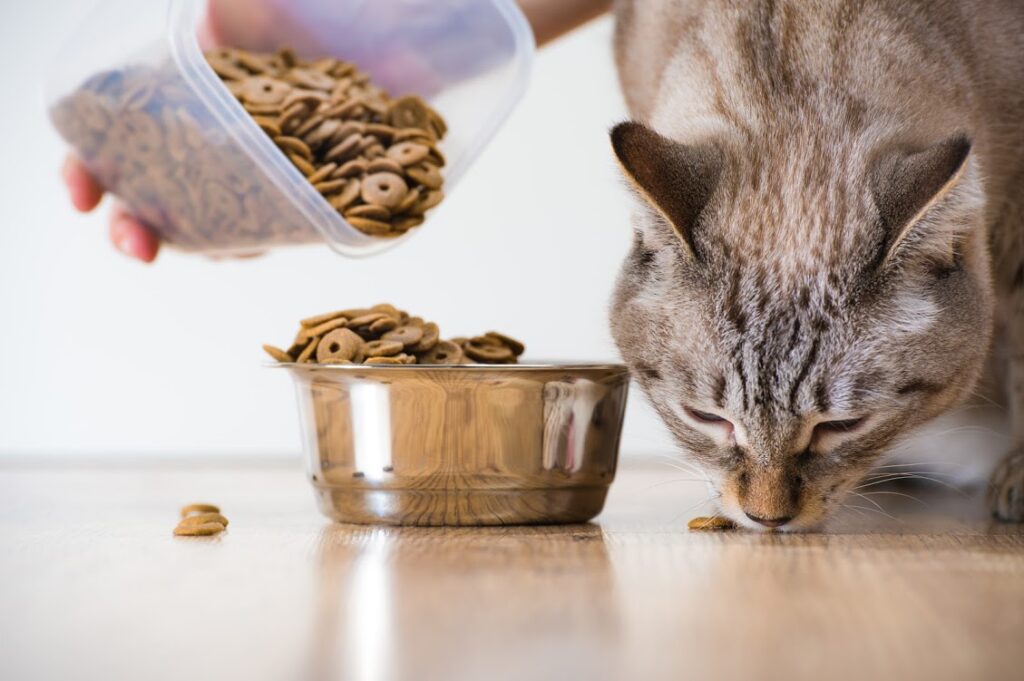
1. Real Meat as the First Ingredient

Cats are obligate carnivores, which means their diet requires a significant amount of animal-based protein to thrive. Look for real meat, such as chicken, salmon, turkey, or beef, as the first ingredient listed on the food label. High-quality cat food will prioritize animal protein over fillers like corn or soy. Meat provides essential amino acids like taurine, which is vital for your cat’s heart health, vision, and overall development. Avoid products that list “meat by-products” or “meal” as the primary protein source, as these are often lower in nutritional value.

2. Healthy Fats and Omega Fatty Acids

Fats are an important source of energy and play a role in maintaining healthy skin and a shiny coat. High-quality cat food should include healthy fats, such as chicken fat or fish oil, which provide essential omega-3 and omega-6 fatty acids. These fatty acids help reduce inflammation, support brain function, and keep your cat’s skin hydrated. Omega-3s, in particular, are beneficial for cats with allergies or joint issues. Avoid artificial or unhealthy fats, which can lead to obesity or other health problems over time.

3. Limited Fillers and Carbohydrates

While cats need protein and fat, they don’t require large amounts of carbohydrates in their diet. High-quality cat food will have minimal fillers like corn, wheat, or soy, which are often used to bulk up cheaper products. These fillers offer little nutritional value and can sometimes cause digestive issues in cats. Instead, look for cat foods that contain limited, easily digestible carbohydrates such as sweet potatoes or peas. These ingredients provide a modest source of energy without overloading your cat’s diet with unnecessary carbs.

4. Essential Vitamins and Minerals

High-quality cat food will also include a balance of essential vitamins and minerals to support your cat’s overall health. Ingredients such as vitamin E and B-complex vitamins help with immune function and energy production, while minerals like calcium and phosphorus promote bone health. Additionally, look for foods that contain antioxidants, which can aid in preventing cellular damage and aging-related health issues.

Conclusion

To keep your cat healthy and happy, it’s essential to choose food that contains real meat, healthy fats, and minimal fillers. Prioritizing high-quality ingredients will ensure that your cat gets the necessary nutrients for their well-being. When in doubt, consult with your veterinarian for recommendations on the best food options tailored to your cat’s specific needs.

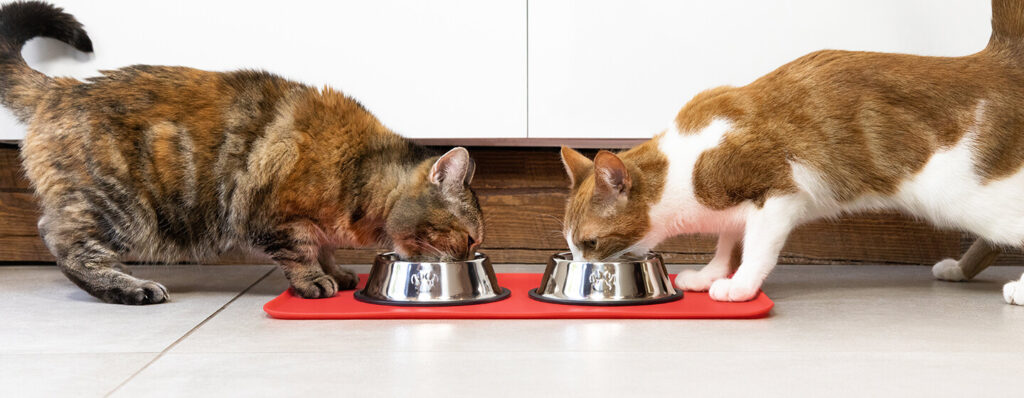
The Ultimate Guide to Choosing the Best Cat Food

Choosing the right cat food is crucial for your feline friend’s health and well-being. With so many options available, it can be overwhelming to decide which food is best for your cat. This guide will help you navigate the choices and select the best cat food for your pet.

Understanding Cat Food Labels

When choosing cat food, the first step is to understand the labels. Look for key nutritional information, including protein, fat, fiber, and moisture content. Cats are obligate carnivores, so they require a diet high in protein. Ensure that the first ingredient is a named meat source, such as chicken or fish. Avoid foods with vague terms like “meat by-products” or “animal fat,” as these can indicate lower-quality ingredients.

Types of Cat Food

Cat food comes in several types, each with its benefits and drawbacks:

  • Dry Food: Convenient and helps with dental health, but can be low in moisture. Ensure it has high-quality ingredients and is formulated for your cat’s age and health needs.
  • Wet Food: Often more palatable and contains more moisture, which can help with hydration. Look for options with high protein content and minimal fillers.
  • Raw Food: Provides a natural diet but requires careful handling to avoid contamination. Consult with your vet before introducing raw food to your cat’s diet.

Special Dietary Needs

Some cats have special dietary needs based on their age, health, or lifestyle. Kittens require food rich in nutrients to support growth, while senior cats may need food with joint support and lower calories. Cats with health conditions such as diabetes, kidney disease, or allergies may need specialized diets. Always consult your veterinarian to tailor your cat’s diet to their specific needs.

Conclusion

Choosing the best cat food involves understanding labels, considering different types of food, and addressing any special dietary needs your cat may have. By focusing on high-quality ingredients and meeting your cat’s nutritional requirements, you can ensure a healthy and happy life for your feline friend. 

The Best Tips for Cat Nutrition

Proper nutrition is essential for the health and longevity of your feline companion. Understanding what to feed your cat, how much to feed, and ensuring a balanced diet can make a significant difference in their well-being. Here are some expert tips on cat nutrition to help you provide the best care for your pet.

Choose High-Quality Cat Food

Selecting the right cat food is the foundation of good nutrition. Look for high-quality commercial cat food that meets the standards set by the Association of American Feed Control Officials (AAFCO). These foods are formulated to provide balanced nutrition for cats at different life stages. Opt for foods that list specific meat sources, such as chicken, beef, or fish, as the primary ingredients. Avoid foods with excessive fillers like corn, wheat, and soy, as these can be difficult for cats to digest and provide little nutritional value.

Understand the Importance of Protein

Cats are obligate carnivores, meaning they require a diet high in animal-based protein to thrive. Protein provides essential amino acids that cats cannot produce on their own, such as taurine, which is vital for heart health, vision, and reproduction. Ensure your cat’s diet includes sufficient high-quality animal protein from sources like poultry, fish, and meat. While some plant-based proteins can be included, they should not be the primary protein source. Always check the nutritional information on cat food labels to ensure adequate protein content. When considering your cat’s diet, prioritize high-quality animal protein sources over plant-based alternatives—canned cat food is often a convenient option to meet this requirement.

Monitor Portion Sizes and Feeding Frequency

Overfeeding can lead to obesity, which is a common issue in cats and can result in various health problems such as diabetes, arthritis, and liver disease. To maintain a healthy weight, follow the feeding guidelines provided by the cat food manufacturer based on your cat’s age, weight, and activity level. Generally, adult cats should be fed twice a day, while kittens may require more frequent feeding due to their higher energy needs. Use a measuring cup to ensure accurate portion sizes and adjust as necessary based on your cat’s condition and veterinarian’s advice.

Conclusion

Proper cat nutrition involves selecting high-quality food, ensuring adequate protein intake, and monitoring feeding practices. By following these tips, you can help your cat maintain optimal health and enjoy a long, happy life. Regular veterinary check-ups and consultations are also essential to tailor your cat’s diet to their specific needs and to address any health concerns promptly. Remember, a well-nourished cat is a healthy and happy cat.

Proper Feeding and Care of Cats

Cats, with their independent nature and affectionate demeanor, make wonderful companions. However, to ensure their health and happiness, proper feeding and care are paramount. From providing nutritious meals to creating a safe environment, responsible cat ownership involves a range of considerations.

Nutrition

The cornerstone of feline health lies in proper nutrition. Cats are obligate carnivores, meaning they require meat in their diet to thrive. High-quality cat food formulated specifically for their dietary needs is essential. Look for options with animal protein as the primary ingredient and avoid those with excessive fillers or additives. It’s also crucial to provide fresh water at all times, as dehydration can lead to various health issues. Consult with a veterinarian to determine the appropriate portion sizes and feeding schedule based on your cat’s age, weight, and activity level. Consider incorporating tuna for cats into their diet under veterinary guidance for added variety and nutrients.

Environmental Enrichment

Cats are curious creatures that require mental and physical stimulation to prevent boredom and ensure their well-being. Enrich their environment by offering toys, scratching posts, and climbing structures. Rotate toys regularly to keep them engaged and provide opportunities for exercise. Additionally, create safe spaces where they can retreat and observe their surroundings, such as elevated perches or cozy beds. Regular interactive play sessions strengthen the bond between you and your cat while satisfying their instincts.

Health and Hygiene

Maintaining your cat’s health and hygiene is essential for their overall wellness. Schedule regular veterinary check-ups to monitor their health status and address any concerns promptly. Keep up with vaccinations, flea, and parasite prevention treatments as recommended by your veterinarian. Regular grooming sessions help prevent matting, reduce shedding, and promote a healthy coat. Brush your cat’s teeth regularly to prevent dental issues and provide them with appropriate litter boxes cleaned daily to ensure proper elimination habits.

Conclusion

Caring for a cat entails more than just providing food and shelter—it requires attention to their specific needs and well-being. By prioritizing proper nutrition, environmental enrichment, and health maintenance, you can ensure a happy and fulfilling life for your feline companion. Remember, each cat is unique, so tailor your care approach to suit their individual preferences and requirements. With love, attention, and proper care, you can enjoy a long-lasting and rewarding relationship with your beloved cat.

A Guide to Proper Cat Nutrition

Feeding your feline companion is a crucial aspect of responsible pet ownership. A well-balanced diet ensures your cat’s overall health and contributes to their longevity and vitality. With a myriad of options available, it’s essential to navigate the world of cat nutrition with a clear understanding of their dietary needs.

Choosing the Right Cat Food

Selecting the right cat food is the first step in ensuring your feline friend receives the essential nutrients. Opt for high-quality commercial cat food specifically formulated to meet the nutritional requirements of cats. Look for products labeled as “complete and balanced,” indicating that the food provides all the necessary nutrients in appropriate proportions. Always check the ingredients list, prioritizing those with real meat as the primary source of protein. Cats are obligate carnivores, meaning their diet should primarily consist of animal-derived proteins for optimal health.

Portion Control and Feeding Schedule

Maintaining a proper feeding schedule and portion control is vital to prevent obesity and related health issues in cats. Adult cats generally require two meals a day, but it’s crucial to follow the recommended feeding guidelines on the cat food packaging. Adjust the portions based on your cat’s age, weight, activity level, and overall health. Avoid free-feeding, as it can lead to overeating. If you have a kitten, they may require more frequent meals, up to three to four times a day, gradually transitioning to a less frequent schedule as they mature. It’s essential to choose a balanced diet, considering options such as mackerel cat food, which can provide important nutrients for your cat’s well-being.

Hydration Matters

Cats are notorious for not drinking enough water, making proper hydration a key concern. Wet cat food or a combination of wet and dry food can help increase your cat’s water intake. Additionally, always provide access to fresh, clean water in a shallow bowl. Some cats prefer running water, so consider investing in a cat water fountain. Adequate hydration is essential for kidney function, digestion, and overall well-being.

Conclusion

In conclusion, proper cat nutrition is the cornerstone of a happy and healthy feline companion. By choosing high-quality cat food, practicing portion control, and ensuring adequate hydration, you contribute to your cat’s overall well-being and longevity. Regular veterinary check-ups can further tailor your cat’s diet to their needs, addressing specific health concerns. Remember, a well-nourished cat is a content and thriving member of your family.

The Art of Feline Nutrition: A Guide to Properly Feed Your Cat

Feeding your cat isn’t just about filling a bowl with kibble; it’s a crucial aspect of ensuring your feline friend’s overall well-being. A balanced and nutritious diet is essential for a cat’s health, energy, and longevity. In this guide, we’ll explore the fundamentals of proper cat feeding, covering key considerations for a happy and healthy pet.

Choosing the Right Cat Food

Selecting the right cat food is the cornerstone of feline nutrition. Opt for high-quality commercial cat food that meets the specific dietary needs of your cat. Look for brands that list a high-quality protein source, such as meat or fish, as the primary ingredient. Avoid foods with excessive fillers, artificial additives, and preservatives. If you’re considering a homemade diet, consult your veterinarian to ensure it meets your cat’s nutritional requirements.

Portion Control

Maintaining an appropriate portion size is vital to prevent overfeeding or underfeeding. Follow the feeding guidelines provided on the cat food packaging, which are typically based on your cat’s weight and activity level. Keep in mind that individual cats may have different metabolism rates, so monitor your cat’s weight and adjust portions accordingly. Obesity is a common issue in cats and can lead to various health problems, so it’s crucial to feed your cat the right amount to maintain a healthy weight.

Feeding Schedule and Consistency

Establishing a consistent feeding schedule is beneficial for your cat’s digestive health and can also help with behavior and training. Most adult cats thrive on two meals a day, while kittens may require more frequent feedings. Avoid free-feeding (leaving food out all day), as it can contribute to overeating and obesity. Additionally, provide fresh water at all times to keep your cat hydrated. Consistency in both the type of food and feeding times helps regulate your cat’s digestion and can be particularly important for cats with medical conditions or sensitivities.

Conclusion

Properly feeding your cat is a holistic approach that goes beyond the simple act of providing sustenance. By choosing high-quality food, controlling portions, and maintaining a consistent feeding schedule, you contribute significantly to your cat’s overall health and happiness. Regular veterinary check-ups can help tailor your cat’s diet to their specific needs. Remember, a well-fed cat is not just a content pet but a companion who can enjoy a long, vibrant life by your side.

Top Tips for Keeping Your Cat Happy and Safe Indoors

Cats make wonderful companions, and whether you’ve chosen to keep your feline friend indoors due to safety concerns or simply prefer an indoor lifestyle, providing a stimulating and secure environment is essential for their well-being. Keeping a cat indoors can be a rewarding experience if done right. In this guide, we’ll explore the best tips for keeping your cat happy and safe in your home.

Create an Enriching Environment

One of the keys to a contented indoor cat is providing mental and physical stimulation. Here’s how you can achieve that:

Interactive Toys: Invest in toys that encourage play and mimic natural hunting behaviors. Toys with feathers, laser pointers, and puzzle feeders can keep your cat engaged for hours.

Cat Trees and Scratching Posts: Cats love to climb and scratch. Provide a cat tree or multiple scratching posts to satisfy these instincts and prevent them from damaging furniture.

Window Perches: Cats are naturally curious and enjoy watching birds and passing cars. Install window perches or bird feeders outside windows to give your cat a constant source of entertainment, and consider treating them to some delicious salmon cat food for an added delight.

Maintain a Healthy Diet and Routine

A well-balanced diet and a consistent daily routine are vital for your cat’s overall health and happiness:

High-Quality Food: Choose a nutritious cat food that meets your cat’s specific needs. Consult with your veterinarian to determine the best diet for your pet’s age, breed, and any medical conditions.

Regular Feeding Schedule: Establish a routine for feeding your cat at the same times each day. This helps regulate their digestive system and provides a sense of security.

Fresh Water: Ensure your cat always has access to clean, fresh water. Consider using a cat water fountain to encourage drinking.

Safety First

Keeping your cat safe indoors involves various precautions to prevent accidents and health issues:

Cat-Proof Your Home: Identify and eliminate potential hazards, such as toxic plants, chemicals, small objects that can be ingested, and electrical cords that may be chewed on.

Regular Vet Visits: Schedule regular check-ups with your veterinarian to monitor your cat’s health, keep vaccinations up-to-date, and discuss preventive measures for indoor cats, like parasite control.

Microchipping and Identification: In case your cat escapes, ensure they have proper identification. A microchip and a collar with an ID tag containing your contact information can help reunite you with your pet.

Conclusion

Keeping your cat indoors doesn’t mean sacrificing their happiness. By creating an enriching environment, maintaining a healthy diet and routine, and prioritizing safety, you can provide a fulfilling life for your feline companion within the confines of your home. Remember that each cat is unique, so be attentive to their individual preferences and needs, and your indoor cat will thrive while enjoying a safe and comfortable life by your side.