Tag: Pastures

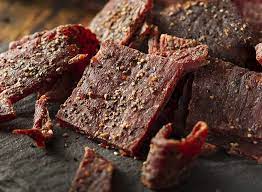
The Benefits of Incorporating Healthy Meat Sticks in Your Diet

Introduction

In today’s fast-paced world, maintaining a healthy diet can be challenging. However, with the growing popularity of convenient and nutritious snacks, there is a solution at hand. Healthy meat sticks, packed with high-quality proteins and essential nutrients, offer an excellent addition to your dietary routine. In this article, we will explore the benefits of incorporating these delicious and wholesome snacks into your daily diet.

Rich in High-Quality Protein

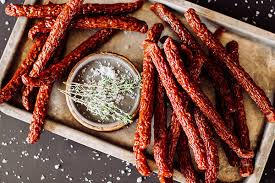
Protein is an essential macronutrient that plays a crucial role in maintaining overall health and well-being. Healthy meat sticks, such as those made from lean cuts of beef, turkey, or chicken, are a great source of high-quality protein. These meat snack sticks provide a convenient and portable option to help meet your daily protein requirements. Protein is essential for muscle repair, recovery, and growth, making meat sticks an ideal choice for athletes, fitness enthusiasts, and anyone seeking to build and maintain muscle mass. Meat snack sticks are not only a tasty treat but also a versatile option for on-the-go individuals, offering a satisfying source of high-quality protein.
Convenient and Satiating

One of the primary advantages of healthy meat sticks is their convenience. They come in a compact and easily portable form, making them an ideal snack for people on the go. Whether you’re heading to the office, going on a hike, or traveling, meat sticks can be stashed in your bag or pocket, providing a quick and nutritious option when hunger strikes.

Moreover, healthy meat sticks offer a satiating effect due to their protein content. They help curb cravings, keep you feeling full for longer, and prevent overeating. This satiety factor is particularly beneficial for those trying to manage their weight or control their calorie intake.

Nutrient-Dense and Balanced

In addition to being a great source of protein, healthy meat sticks offer a range of essential nutrients. They are often made with minimal additives and preservatives, allowing you to enjoy the natural goodness of meat without unnecessary additives. Meat sticks can be found in various flavors, providing an array of tasty options to suit different preferences.

Furthermore, these snacks are typically low in carbohydrates and contain beneficial micronutrients such as iron, zinc, and vitamin B12. Iron is vital for oxygen transport in the body, while zinc supports immune function and wound healing. Vitamin B12 plays a crucial role in energy production and maintaining healthy nerve cells. By incorporating healthy meat sticks into your diet, you can boost your nutrient intake and support overall health.

Conclusion

Incorporating healthy meat sticks into your diet can offer a range of benefits. With their high-quality protein content, convenient nature, and nutrient-rich composition, these snacks are an excellent choice for individuals looking to maintain a balanced diet. Whether you’re a busy professional, an athlete, or someone seeking a satisfying and nutritious snack, healthy meat sticks provide a portable, delicious, and wholesome option. Make sure to select brands that prioritize quality ingredients and minimal processing to truly reap the benefits of these tasty meat snacks.
Healthy Eating with Pork: How to Incorporate This Lean Meat into Your Diet

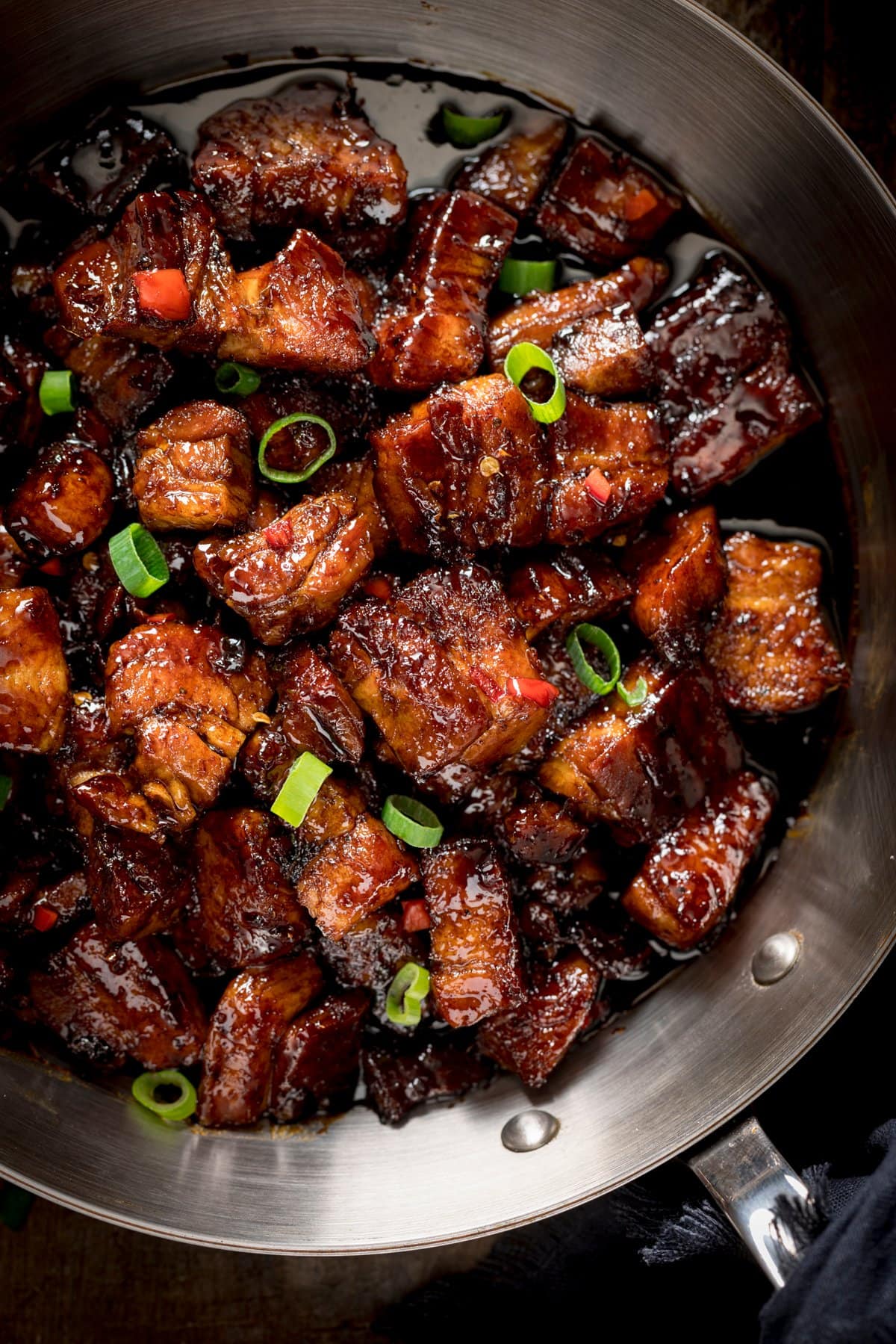
Pork is a widely consumed meat around the world, and it has been a staple food in many cultures for centuries. It is a versatile meat that can be cooked in a variety of ways, and it is also relatively inexpensive compared to other meats. In this article, we will explore the history of pork, its nutritional value, and its many uses in cooking.

History of Pork

Pigs have been domesticated for thousands of years and were originally bred for their meat. The ancient Greeks and Romans considered pork to be a luxury food, and it was a staple in their diets. In medieval Europe, pork was a common meat for peasants as it was easy to breed and was an inexpensive source of protein. In the United States, pork became popular during the 19th century, and today, it is one of the most commonly consumed meats.

Nutritional Value of Pork

Pork is an excellent source of protein, vitamins, and minerals. A 3-ounce serving of pork contains about 22 grams of protein, which is essential for building and repairing muscle tissue. Pork is also a good source of B vitamins, including thiamin, riboflavin, niacin, and vitamin B12. These vitamins play a vital role in energy metabolism and the functioning of the nervous system. Pork also contains minerals such as iron, zinc, and selenium, which are important for maintaining healthy bones, teeth, and skin. If you like pork, you should try pork meat sticks.

Different Cuts of Pork

Pork is available in a variety of cuts, each with its own unique flavor and texture. The most commonly consumed cuts of pork include:

Pork Loin – This is a lean cut of meat that is ideal for roasting or grilling. It can be cut into chops or left whole.

Pork Shoulder – Also known as pork butt, this is a tougher cut of meat that is ideal for slow cooking. It can be used to make pulled pork or used in stews and soups.

Pork Belly – This is a fatty cut of meat that is used to make bacon. It can also be roasted or used in stews and soups.

Pork Chops – These are cut from the loin and can be bone-in or boneless. They can be grilled, pan-fried, or baked.

Pork Tenderloin – This is a lean cut of meat that is ideal for grilling or roasting. It can be marinated or seasoned with herbs and spices.

Uses of Pork in Cooking

Pork is a versatile meat that can be cooked in a variety of ways. It can be roasted, grilled, pan-fried, or slow-cooked. Pork can also be used in a variety of dishes, including:

Pulled Pork – This is a popular dish that is made by slow-cooking pork shoulder until it is tender enough to be shredded. It is typically served on a bun with barbecue sauce.

Bacon – This is a popular breakfast food that is made from pork belly. It is typically pan-fried or baked and can be used in a variety of dishes, including salads, sandwiches, and burgers.

Ham – This is a cured meat that is typically served at holiday meals. It can be glazed or served with a variety of sauces.

Sausage – This is a seasoned ground pork that is typically stuffed into casings. It can be grilled, pan-fried, or used in a variety of dishes, including pasta dishes and casseroles.

Pork Chops – These can be seasoned with herbs and spices and grilled or pan-fried. They can also be breaded and fried or used in a variety of dishes, including stir-fries and stews.

The Benefits and Uses of Pasture-Raised Meat: A Guide to a Healthier, More Sustainable Diet

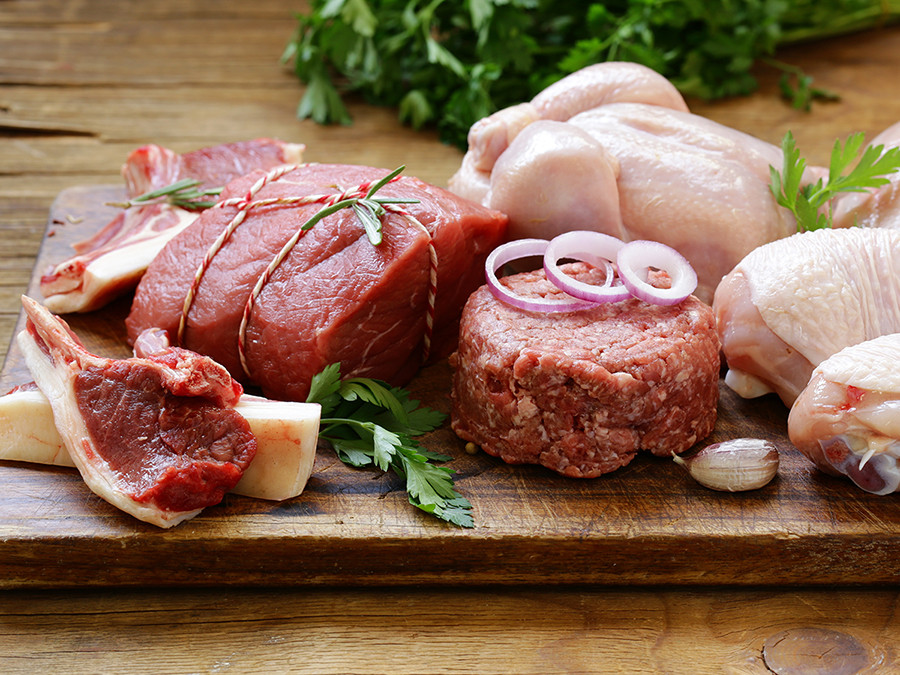
Pasture-raised meat refers to meat that comes from animals that have been raised on grass and forage in pastures, rather than being confined in feedlots and given a diet mostly consisting of grains. This method of raising livestock is often considered more humane and leads to meat that is more flavorful and nutritionally superior. The animals are also able to engage in natural behaviors, such as grazing and roaming, which can improve their overall health and well-being.

Benefits of pasture-raised meat

The benefits of pasture-raised meat go beyond just animal welfare. It can also have a positive impact on the environment, as grazing livestock can help to maintain healthy soils, reduce erosion, and support biodiversity. Additionally, pasture-raised animals are typically not given hormones or antibiotics, which can result in meat that is free of these additives.

In terms of nutrition, pasture-raised meat can be higher in healthy omega-3 fatty acids, conjugated linoleic acid (CLA), and vitamins, such as Vitamin E. It is also often lower in unhealthy saturated fat.

It is important to note that not all pasture raised meat is created equal and standards for labeling can vary. To ensure you are getting the highest quality product, it is recommended to purchase meat from a trusted source, such as a local farmer or a brand with transparent and strict standards for raising their livestock.

In addition to the environmental, animal welfare, and health benefits of pasture-raised meat, it can also have a positive impact on the local economy. Buying from local farmers who raise their animals on pasture supports small businesses and helps to keep money in the local community.

Pasture-raised meat can also offer a more sustainable alternative to conventionally raised meat. The use of rotational grazing practices, for example, can help to reduce soil degradation and improve soil fertility. Additionally, raising animals on pasture can reduce the amount of waste produced, as the animals can convert inedible plants and grasses into protein-rich meat.

When considering the purchase of pasture-raised meat, it is important to be aware of the different labels and certifications that exist and to understand what each one means. Some common certifications include “Animal Welfare Approved” and “Certified Humane.” Researching these labels and finding a reputable brand or farmer can help to ensure that you are getting a high-quality, ethical product.

You can make a variety of dishes from pasture-raised meat

Pasture-raised meat can be used in a variety of dishes, just like conventionally raised meat. Some popular options include:

  1. Grilled steak or burgers
  2. Roasted chicken or turkey
  3. Slow-cooked stews or soups
  4. Braised meats like pot roast or short ribs
  5. Sautéed ground meat for tacos or spaghetti sauce

One of the great things about pasture-raised meat is that it often has a rich, natural flavor that doesn’t require much additional seasoning. When cooking with pasture-raised meat, it’s recommended to use gentler cooking methods, such as slow roasting or braising, to help preserve its tenderness and flavor.

It’s also a good idea to consider the cut of meat you are using, as some cuts from pasture-raised animals may be a bit tougher due to the animals’ more active lifestyle. In these cases, slow cooking methods can help to break down the muscle fibers and result in a tender, flavorful dish.

Overall, pasture-raised meat is a versatile ingredient that can be used in a wide range of dishes. Its unique flavor and health benefits make it a great choice for anyone looking to incorporate more sustainable and ethical foods into their diet.