Tag: Kinders

Taco Tuesday Redefined: 5 Creative Twists on Traditional Pork Tacos

Taco Tuesday is a beloved tradition, but if you’ve been sticking to the same old recipes, it might be time to mix things up. While traditional pork tacos are delicious in their simplicity, adding a few creative twists can take your taco game to the next level. From exciting flavor combinations to unexpected toppings, here are five inventive ways to redefine your pork tacos and make Taco Tuesday an unforgettable culinary adventure.

1. Korean-inspired pork Tacos with Kimchi and Gochujang Sauce

Why not give your pork tacos a Korean flair? Swap the traditional seasoning for Korean-style marinated pork, using ingredients like soy sauce, sesame oil, ginger, and garlic. Cook the pork until it’s tender and flavorful, then top your tacos with spicy kimchi and a drizzle of gochujang sauce for a fiery kick. Garnish with fresh cilantro and a sprinkle of sesame seeds to complete the dish. The tangy kimchi pairs perfectly with the rich pork, offering a delightful fusion of flavors that’s sure to impress your Taco Tuesday guests.
2. Pineapple and Pork Tacos with Cilantro Lime Slaw

If you love the combination of sweet and savory, try pairing pork with juicy grilled pineapple for a tropical twist. Start by marinating your pork in a mixture of lime juice, garlic, and cumin, then grill it alongside slices of pineapple until both are slightly caramelized. Serve the pork and pineapple in warm tortillas and top with a refreshing cilantro lime slaw made from shredded cabbage, lime juice, and fresh cilantro. The sweetness of the pineapple balances the savory pork, while the slaw adds a crisp, tangy contrast. It’s a bright, flavorful twist on the classic taco.

3. Smoky BBQ Pulled Pork Tacos with Pickled Onions

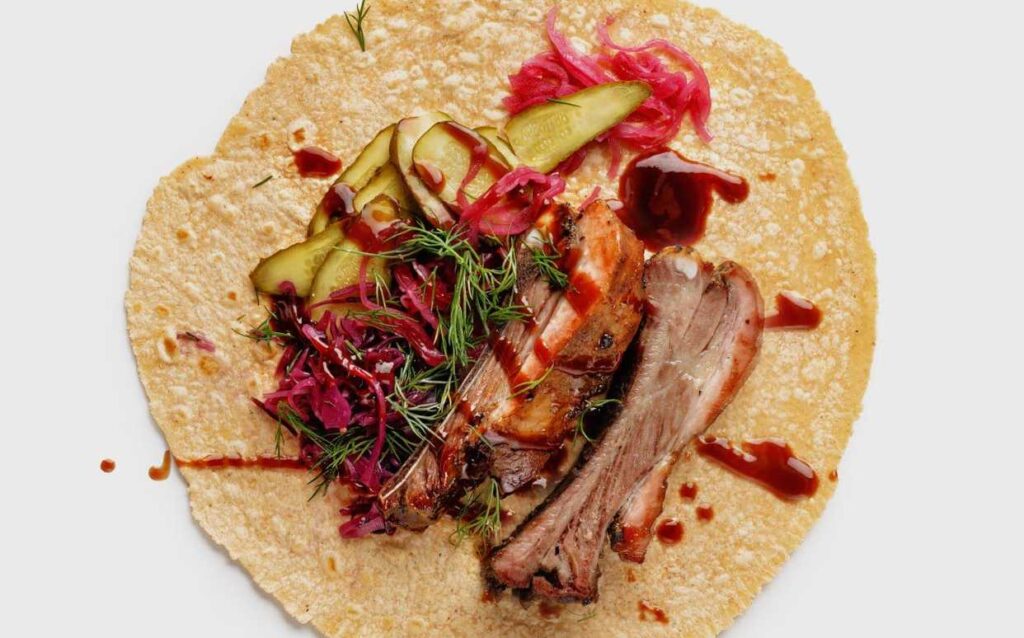
For a comforting twist on traditional pork tacos, turn to smoky barbecue flavors. Slow-cook pork shoulder in your favorite BBQ sauce until it’s tender and falls apart easily. Pile the pulled pork into soft tortillas, and then top with tangy pickled onions for a burst of acidity that cuts through the richness of the meat. Add a few slices of fresh jalapeños for heat and finish with a sprinkle of cotija cheese. These BBQ pulled pork tacos are perfect for those who enjoy the bold flavors of Southern barbecue with a Mexican twist.

4. Pork Belly Tacos with Avocado Crema and Radish Salsa

Upgrade your taco game with a crispy pork belly. Start by slow-roasting the pork belly until the fat renders and the exterior becomes crispy and golden. Slice the pork belly into bite-sized pieces and layer them in soft tortillas. Top the tacos with a creamy avocado crema made from mashed avocados, lime juice, and sour cream. For a burst of freshness, add a simple radish salsa with chopped radishes, cilantro, and a squeeze of lime. The crispy, melt-in-your-mouth pork belly paired with the creamy avocado and crunchy radish salsa makes for a truly indulgent taco experience.

5. Carnitas Tacos with Mango Salsa and Chipotle Mayo

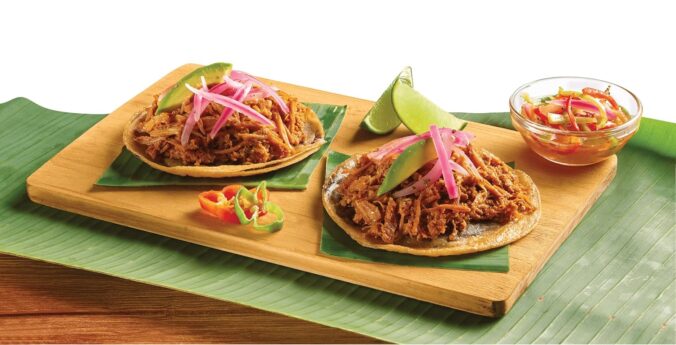
Carnitas is a classic pork taco filling, but you can elevate it by adding a sweet and spicy twist. Start with tender, slow-cooked carnitas, then top your tacos with a vibrant mango salsa made from diced mango, red onion, jalapeño, and cilantro. The sweetness of the mango adds a delicious contrast to the savory carnitas. Finish the tacos with a drizzle of chipotle mayo for a smoky heat that ties all the flavors together. The combination of savory, sweet, and spicy makes these carnitas tacos a standout dish for Taco Tuesday.

Conclusion: Elevate Your Taco Tuesday with Creative Pork Tacos

Taco Tuesday doesn’t have to be predictable. With these five creative twists on traditional pork tacos, you can bring bold new flavors and textures to the table. Whether you’re craving something spicy, sweet, smoky, or tangy, these inventive recipes will help you redefine your Taco Tuesday and turn it into a culinary celebration your friends and family will love.
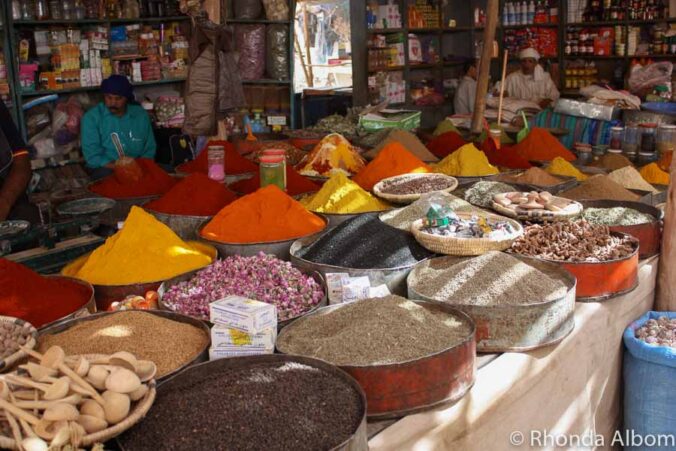
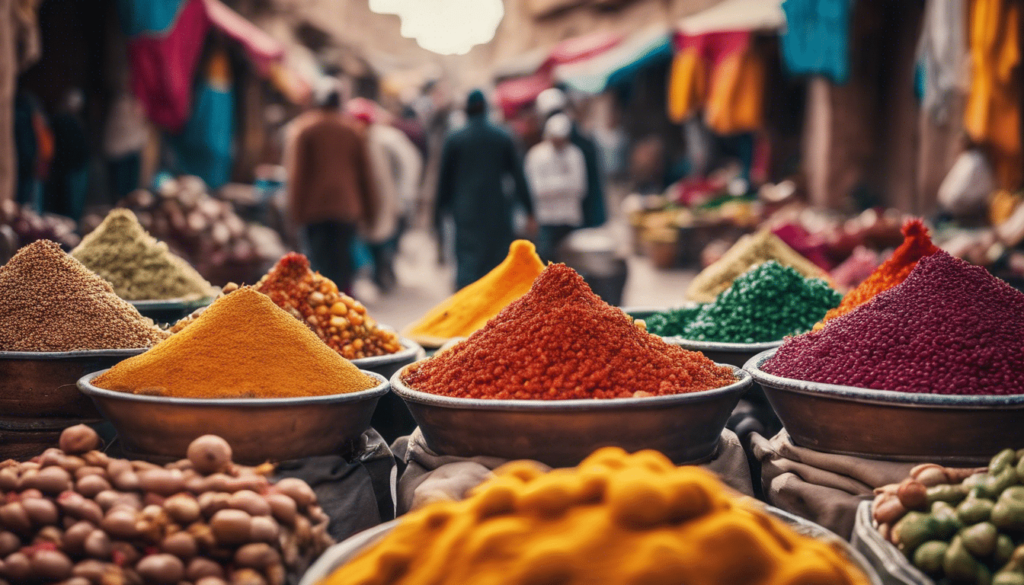
UNVEILING THE RICHNESS OF GLOBAL SPICE AROMAS

In the realm of culinary exploration, spices serve as the vibrant threads that weave together the tapestry of flavors across cultures and continents. Each spice, with its distinctive aroma and taste, holds within it a story of geography, history, and cultural heritage. From the piquant allure of Indian curry blends to the smoky depths of Mexican chili powders, spices not only enhance our dishes but also offer a sensory journey into the heart of global gastronomy.

The Mystique of Asian Blends

Asian cuisines boast a mesmerizing array of spice blends that tantalize the senses. From the warm embrace of Chinese five-spice to the fiery intensity of Thai curry pastes, these blends reflect centuries of culinary mastery. Ginger, lemongrass, turmeric, and coriander are just a few of the stars that compose these complex symphonies of flavor. They transform ordinary dishes into extraordinary experiences, evoking the bustling markets and ancient traditions of their lands.

Mediterranean Medley

The Mediterranean region offers a treasure trove of aromatic delights, where spices like oregano, rosemary, and saffron reign supreme. From the sun-drenched shores of Greece to the spice bazaars of Morocco, these flavors speak of a lifestyle deeply intertwined with the land and sea. Whether in hearty stews or delicate pastries, Mediterranean spices impart a sense of warmth and hospitality that transcends borders. Carne seasoning brings a robust and savory depth to Mediterranean dishes, enhancing the region’s culinary tapestry.

Latin American Spice Spectacle

Latin American cuisine dances to the beat of its spice-infused rhythm, where chili peppers, cumin, and cilantro take center stage. From the tangy heat of Mexican salsa to the earthy depth of Brazilian feijoada, spices here evoke a passion for life and celebration. Rooted in indigenous traditions and influenced by European and African cuisines, Latin American spice blends embody a vibrant fusion of flavors that reflect the continent’s rich cultural tapestry.

Conclusion

In every corner of the globe, spices serve as ambassadors of flavor, carrying with them the essence of their origins and the spirit of their people. They invite us to embark on a sensory adventure, where each aroma tells a story and each taste creates a memory. As we delve into the richness of global spice aromas, we not only savor diverse cuisines but also celebrate the shared human experience of gathering around a table and breaking bread together.

Unlocking Flavor: Essential Seasonings for Perfectly Seasoned Meat in Chinese Cuisine

Chinese cuisine is renowned for its rich flavors and intricate seasoning blends that elevate the taste of various dishes, especially meat. The art of seasoning meat in Chinese cooking involves a harmonious balance of spices, herbs, and condiments, resulting in dishes that are not only delicious but also deeply satisfying to the palate. In this guide, we’ll explore some of the best seasonings for meat in Chinese cuisine that are sure to enhance your culinary creations.

Five Spice Powder

Five Spice Powder is a cornerstone seasoning in Chinese cooking, renowned for its aromatic blend of five essential spices: star anise, cloves, Chinese cinnamon, Sichuan peppercorns, and fennel seeds. This potent mixture brings a symphony of flavors to meat dishes, infusing them with a complex and well-rounded taste profile. Whether used as a dry rub or added to marinades and sauces, Five Spice Powder imparts a distinctive savory-sweet flavor with hints of warmth and subtle floral notes. It’s particularly popular in recipes like Cantonese roast duck, char siu pork, and braised beef, where it adds depth and complexity to the dish.

Soy Sauce

Soy sauce, known as “jiangyou” in Chinese, is a fundamental seasoning that forms the backbone of many savory dishes in Chinese cuisine. Made from fermented soybeans, wheat, salt, and water, soy sauce adds depth, umami richness, and a touch of saltiness to meat-based recipes. There are various types of soy sauce available, including light soy sauce for seasoning and dark soy sauce for color and additional flavor. In marinades, stir-fries, braises, and glazes, soy sauce works wonders in enhancing the natural flavors of meats while imparting a glossy sheen and appetizing aroma. Its versatility makes it an indispensable ingredient in Chinese kitchens, elevating classics like kung pao chicken, beef with broccoli, and stir-fried shrimp. And who can resist the mouthwatering allure of teriyaki chicken?

Doubanjiang (Chili Bean Paste)

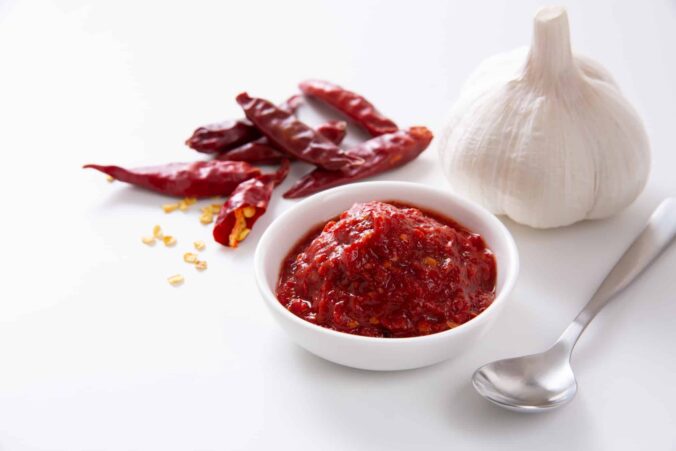
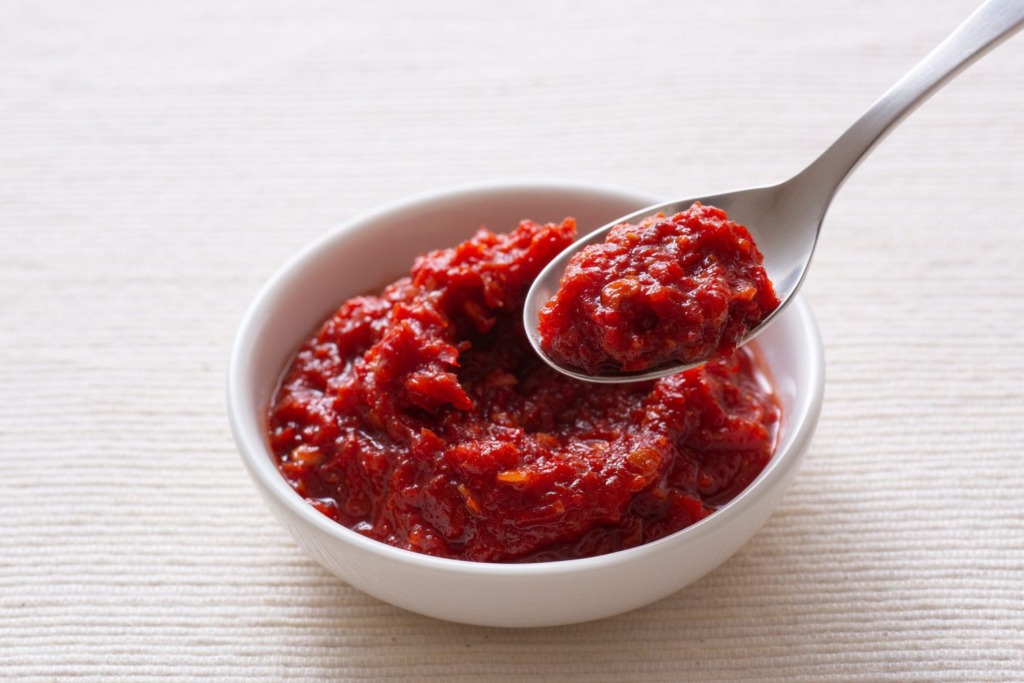
Doubanjiang is a spicy and salty fermented bean paste made from broad beans, chili peppers, salt, and various spices. This fiery condiment hails from the Sichuan province of China and is celebrated for its bold and pungent flavor profile. While primarily used to add heat and depth to Sichuanese cuisine, doubanjiang also serves as an excellent seasoning for meat dishes, lending them a robust umami kick with a lingering spicy heat. It pairs exceptionally well with pork, beef, and poultry, infusing them with layers of savory complexity. From map tofu to Sichuan-style hot pot and braised pork belly, doubanjiang adds a distinctive flair to meat-based dishes that will tantalize your taste buds.

Conclusion

In Chinese cuisine, the art of seasoning meat is a reflection of centuries-old culinary traditions that prioritize balance, harmony, and depth of flavor. From the aromatic blend of Five Spice Powder to the umami richness of soy sauce and the fiery kick of doubanjiang, each seasoning brings its unique character to meat dishes, transforming them into culinary masterpieces. By incorporating these essential seasonings into your cooking repertoire, you’ll unlock a world of tantalizing flavors that will delight and impress even the most discerning palates. So, why not embark on a gastronomic adventure through the vibrant flavors of China and elevate your meat dishes to new heights?

Enhancing Culinary Delights: The Art of Meat Seasonings

In the realm of culinary excellence, the art of seasoning plays a pivotal role in transforming a simple dish into a gastronomic delight. When it comes to meat, the use of seasonings is not merely a practice but an intricate dance of flavors that elevates the dining experience. The frequency with which meat seasonings are employed reflects the diverse culinary traditions, personal preferences, and evolving global tastes.

Everyday Culinary Adventures: Daily Meat Seasonings

In the daily hustle of modern life, meat seasonings are essential companions to transform mundane meals into memorable experiences. Common seasonings like salt, pepper, garlic, and herbs find their way into kitchens daily, enhancing the natural flavors of meats. These everyday seasonings not only add depth and richness but also contribute to the development of a culinary routine. For many, the daily ritual of seasoning meat becomes a therapeutic and creative expression, a small but significant act that turns a routine dinner into a sensorial journey. The inclusion of meatloaf spices at the end of this flavorful lineup adds an extra layer of excitement and variety to the culinary adventure.

Cultural Tapestry: Meat Seasonings Across the Globe

As one delves into the world’s diverse cuisines, it becomes evident that meat seasonings are integral components of cultural identity. From the aromatic spices of Indian curries to the smoky rubs of American barbecue, how meats are seasoned varies widely across regions. The frequency of use is not just a matter of taste but a reflection of cultural heritage, historical influences, and locally available ingredients. Exploring the richness of global culinary traditions unveils a spectrum of meat seasonings that transcend the ordinary, inviting food enthusiasts to embark on a flavorful journey around the world.

Special Occasions and Culinary Extravagance: Gourmet Meat Seasonings

Beyond everyday meals, some occasions call for an extra touch of culinary finesse. Gourmet meat seasonings, often reserved for special celebrations or fine dining experiences, showcase a level of creativity and sophistication that goes beyond the routine. Exotic spices, infused oils, and complex marinades take center stage, turning meat preparation into an art form. The frequency of use in such cases may be less frequent, but the impact is profound, creating memorable dining moments that linger in the memory.

Conclusion

In the realm of culinary exploration, the use of meat seasonings is a dynamic interplay of tradition, personal expression, and global influence. From the everyday rituals that infuse routine meals with flavor to the cultural tapestry that weaves diverse seasoning traditions, and the gourmet extravagance reserved for special occasions, the frequency of meat seasonings reflects the kaleidoscope of culinary experiences. As we continue to celebrate the art of seasoning, it is evident that this practice transcends the functional; it is a celebration of creativity, culture, and the sheer joy of transforming simple ingredients into extraordinary culinary delights.

The Art of Flavor: Exploring the Best Meat Seasonings in Asia

Asia is a continent renowned for its rich culinary traditions, where flavors and spices play an integral role in creating dishes that tantalize the taste buds. In the world of meat preparations, Asian cuisine stands out for its diverse and delectable seasonings that elevate the humblest of ingredients into culinary masterpieces. This essay delves into the three best meat seasonings in Asia, exploring their history, unique qualities, and the dishes they enhance.

Soy Sauce – The Umami Elixir

Soy sauce, a fundamental seasoning in Asian cuisine, has a history dating back more than 2,500 years. Originating from China, it has spread across the continent, making its mark in Japan, Korea, and beyond. What sets soy sauce apart is its rich umami flavor, which is derived from fermented soybeans and wheat. This savory umami quality enhances the natural flavors of meats, making it a quintessential ingredient in Asian meat dishes.

In Japan, soy sauce is the key component in the preparation of Teriyaki, a sweet and savory glaze that elevates chicken, beef, and fish. In Korea, it’s the foundation of Bulgogi marinade, adding depth to thinly sliced beef. The versatility of soy sauce extends to countless regional specialties, demonstrating its unrivaled role in meat seasoning throughout Asia.

Tandoori Masala – Spice of the Indian Subcontinent

Tandoori masala, a blend of aromatic spices, is the cornerstone of Indian cuisine, renowned for its bold and fiery flavors. This seasoning, often used for marinating meat, owes its distinctive taste to a combination of ingredients like cumin, coriander, paprika, ginger, barbecue sauce and turmeric. The magic of tandoori masala lies in its ability to create a symphony of flavors that envelop meat with a burst of spiciness, warmth, and smokiness.

Tandoori masala is frequently used to marinate chicken, which is then cooked in a tandoor (clay oven). The result is the iconic Tandoori Chicken, where the seasoning imparts a vibrant red hue and a complex flavor profile to the meat. This seasoning not only flavors but also tenderizes the meat, ensuring a mouthwatering experience with every bite.

Thai Green Curry Paste – A Symphony of Aromatics

Thai cuisine is celebrated for its harmonious blend of sweet, sour, salty, and spicy flavors, and Thai Green Curry Paste is a prime example of this balance. This seasoning paste, made from a mixture of fresh green chili peppers, lemongrass, garlic, and various herbs, is a cornerstone of Thai cuisine, especially when it comes to meat dishes.

One of the most beloved Thai dishes, Green Curry Chicken, showcases the excellence of this paste. The meat absorbs the vibrant green curry, creating a delectable blend of flavors that include the fiery heat of chili peppers, the freshness of lemongrass, and the creaminess of coconut milk. The marriage of these aromatics and spices in Thai Green Curry Paste transforms any meat into a fragrant masterpiece.

Conclusion

In Asia, meat seasonings play an essential role in creating dishes that are not only delicious but also reflective of rich culinary traditions. Soy sauce, Tandoori masala, and Thai Green Curry Paste are just a few examples of the diverse and exceptional seasonings that have made a mark on Asian cuisine. From the umami depths of soy sauce to the fiery punch of tandoori masala and the aromatic delights of Thai Green Curry Paste, these seasonings continue to inspire and excite palates around the world. The best meat seasonings in Asia are more than just ingredients; they are the embodiment of the region’s culinary artistry and heritage.

Elevate Your Grilled Meat with These Essential Spices

Grilling meat is a culinary art that has been perfected over centuries, with spices playing a crucial role in enhancing the flavors and aromas of the final dish. Whether you’re a seasoned grillmaster or just starting, understanding the most important spices for grilled meat can take your outdoor cooking game to the next level. In this guide, we’ll explore three essential spices that will elevate your grilled meat to new heights.

Paprika – The Smoky Elixir

Paprika is a spice derived from dried and ground chili peppers, and it comes in various forms, including sweet, hot, and smoked. When it comes to grilling meat, smoked paprika is the star of the show. Its deep, smoky flavor adds an irresistible complexity to your grilled dishes. Sprinkle it generously on ribs, chicken, or even vegetables before grilling to impart a rich, earthy essence that will leave your guests craving more. When it comes to grilling meat or enhancing the flavors of dishes like carnitas tacos, smoked paprika is the star of the show.

Garlic – The Flavor Booster

Garlic is a timeless spice that grilling enthusiasts often swear by. Its pungent aroma and robust flavor can transform any piece of meat into a savory masterpiece. To infuse your grilled meat with garlic goodness, create a simple garlic rub by combining minced garlic cloves with olive oil, salt, and pepper. This paste can be spread generously on steaks, lamb chops, or pork tenderloin before grilling, resulting in tender, flavorful meat that’s sure to impress.

Cumin – The Warm Spice

Cumin, with its warm and earthy notes, is a versatile spice that pairs exceptionally well with grilled meats. Ground cumin can be used to create marinades, dry rubs, or even added directly to meat before grilling. The spice complements the natural flavors of beef, chicken, and lamb, infusing them with a subtle warmth and depth. Combine cumin with coriander, paprika, and a touch of cayenne for a flavorful rub that will give your grilled meat an exotic twist.

Conclusion

In the world of grilled meat, spices are the secret ingredients that can turn a good dish into an unforgettable one. Paprika, with its smoky allure, adds depth and complexity. Garlic, the flavor booster, elevates the taste profile. And cumin, the warm spice, brings an exotic touch to your grilled creations. By mastering the use of these essential spices, you’ll not only become a grillmaster extraordinaire but also create culinary delights that will leave your guests craving more. So, fire up the grill, experiment with these spices, and let your taste buds embark on a flavor-filled journey with every savory bite.

Enhancing Meat’s Flavors: Exploring the Best Spices

Introduction

When it comes to culinary excellence, one cannot overlook the role of spices in transforming ordinary ingredients into extraordinary dishes. Among the many culinary delights, the art of enhancing meat’s flavors with carefully chosen spices stands out. Whether you’re a seasoned chef or an aspiring home cook, understanding the power of spices and their compatibility with different types of meat is essential. In this article, we will explore three exceptional spices that can elevate the taste of meat to new heights.

Smoky Elegance with Paprika

One spice that can add a delightful smoky flavor to meat is paprika. Derived from dried and ground sweet or hot peppers, paprika offers a range of flavors and intensities. For barbecues and grilling, opt for smoked paprika to infuse your meat with a subtle smokiness. Paprika complements various types of meat, including beef, pork, and poultry, such as teriyaki chicken, and works exceptionally well in marinades, rubs, and even as a finishing touch on grilled meats. Its vibrant red color adds visual appeal, making it a versatile spice for taste and presentation.

Aromatic Warmth with Cumin

Cumin, a staple in many cuisines worldwide, is known for its warm and earthy aroma. This spice can enhance the natural flavors of meat while adding depth and complexity. Often used in Middle Eastern, Indian, and Mexican cuisines, cumin pairs exceptionally well with lamb, beef, and chicken. Its rich flavor profile lends itself beautifully to meat stews, curries, and dry rubs. Roasting whole cumin seeds before grinding them intensifies their flavor, allowing you to create memorable meat dishes with delightful aromatic warmth.

Exquisite Heat with Chili Powder

For those who relish a bit of heat, chili powder is an excellent choice to spice up meat dishes. Made from ground-dried chili peppers, this spice brings a fiery kick to your culinary creations. Chili powder adds a vibrant and zesty flavor to meats, making it ideal for chili con carne, spicy meatballs, and even grilled chicken or steak. Be mindful of the heat level when using chili powder, and adjust the quantity according to your personal preferences. Its versatility and ability to create robust and tantalizing meat dishes make chili powder a favorite among spice enthusiasts.

Conclusion

In culinary exploration, spices are the secret ingredient that can transform an ordinary meat dish into a culinary masterpiece. Paprika lends a smoky elegance, cumin brings aromatic warmth, and chili powder adds exquisite heat. Each of these spices possesses unique characteristics that harmonize with different types of meat, offering endless possibilities to unleash your creativity in the kitchen. By experimenting with these spices and exploring their synergies, you can create sensational meat dishes that delight the taste buds and leave a lasting impression. So, the next time you cook meat, remember to reach for these remarkable spices and elevate your culinary experience to new heights.

From Regional Variations to Mouth-Watering Flavors: A Guide to the World of Barbecue

Barbecue, also known as BBQ, is a popular method of cooking meat and vegetables that has been around for centuries. Whether it’s a summer cookout or a winter tailgate, nothing brings people together quite like a good old-fashioned barbecue.

Culture

Barbecuing has been a part of American culture for a long time, but the origins of barbecue can be traced back to indigenous tribes who used various methods of slow-cooking meat over an open flame. Today, barbecue has evolved into an art form with regional variations and techniques that are passed down from generation to generation.

The first step in creating the perfect barbecue is choosing the right meat. While beef and pork are the most common meats used in barbecue, chicken, lamb, and even fish can be grilled to perfection. It’s important to select meat with enough fat to keep it moist and tender while cooking. For example, pork shoulder, also known as a Boston butt, is a popular cut for barbecuing due to its high fat content.

Once you’ve chosen your meat, the next step is to prepare it for cooking. This often involves applying a dry rub or marinade to enhance the flavor of the meat. Dry rubs can be made from a variety of spices such as paprika, chili powder, cumin, and garlic, while marinades typically consist of an acidic liquid such as vinegar or citrus juice.

Meat

When it comes to cooking the meat, there are two main methods of barbecuing: direct heat and indirect heat. Direct heat involves placing the meat directly over the flames, while indirect heat involves cooking the meat over a lower heat source such as charcoal or wood chips. Indirect heat is often preferred for larger cuts of meat such as brisket or ribs, as it allows for a slower, more even cooking process.

The type of fuel used for barbecuing can also affect the flavor of the meat. Charcoal is a popular choice due to its ability to produce a smoky flavor, while wood chips such as hickory or mesquite can add a unique taste to the meat. Gas grills are also commonly used for barbecuing, but they don’t offer the same smoky flavor that charcoal or wood chips provide.

In addition to meat, vegetables can also be cooked on the grill for a delicious and healthy side dish. Grilled corn on the cob, asparagus, and bell peppers are popular choices. A simple marinade of olive oil, salt, and pepper can be used to enhance the flavor of the vegetables.

Barbecue is often served with a variety of sides, such as baked beans, potato salad, and coleslaw. These sides not only complement the meat but also help balance out the heavy flavors of the barbecue. Maybe some meatloaf spices on the side and the experience is unforgettable.

Variations

When it comes to barbecue, there are many regional variations that have developed over time. For example, Texas-style barbecue typically involves slow-cooking brisket over mesquite wood, while Memphis-style barbecue is known for its dry-rubbed ribs. Kansas City-style barbecue is characterized by its sweet and tangy tomato-based sauce, while North Carolina-style barbecue features a vinegar-based sauce.

No matter what style of barbecue you prefer, there’s no denying the appeal of this time-honored cooking method. Whether you’re hosting a backyard barbecue or attending a tailgate party, there’s nothing quite like the taste of grilled meat and vegetables. With a little practice and patience, anyone can become a master of the grill and enjoy the mouth-watering flavors of barbecue.

Tips For Improving Flavor

Improving food flavor is important no matter the kind of food being prepared, whether it is meat, pasta, or some other foods. A good flavor is always desired as it makes the food enjoyable. While it is true that you need ingredients and some tools to get the right flavor for food, knowing how to combine them is something different. This is why we are sharing some tips that would help to improve your food flavor.

Add some acid source to the food


Many are unaware of the extent to which acids can improve flavors and this is why they are often ignored as part of food ingredients. If you are making teriyaki chicken, you should really think about adding an acid source for a better taste. On the contrary, acids play a good role in making food palatable. They help to neutralize the effect of alkali or bitter recipes while also bringing out the pleasant flavors of other ingredients, making the food more palatable. To improve your food flavor, acid sources from fruits like vinegar and lemon water should be used in conjunction with reduced quantities of salt.

Add some herbs


Adding freshly prepared or packaged herbs is another way to improve your flavor. These herbs are also beneficial to the health of the body. You can use herbs like garlic thyme, curry, and the like. These herbs have a way of improving flavor, particularly when used to boil meat and cook stew or soups. When used appropriately they add some unique distinct flavor to food.

Add some black pepper


Black pepper is one of the best ways to improve flavor. However, the quantity added and the time of addition matter particularly when cooking meat. This is because adding it early or later can affect the texture of the meat.

Add some Umami


Chemically speaking Umami contains amino acid glutamate and some other chemicals that create a special taste perception on the tongue. They add flavor to food like meat, soups, stews, sauces, and many others. They should be used moderately, and also should be used to complement the effect of salts.

Try Kosher salt instead of normal table salt


Most people are familiar with normal table salt which of course is a good seasoning, however, to get an improved flavor for food like meat and stews, the use of kosher salt can make the difference. Kosher salt is mostly used to cook meat. This is because it has larger grains than normal table salt and easily distributes itself evenly in soup mixtures when used.

Balance things up when it goes south


Sometimes it happens that in the process of adding ingredients, you could mistakenly add more salt or umami than required, and this could make the food taste saltier or too sweet than normal. Well, the goodness is that you can counterbalance this with some ingredients. For example, you can use acids to neutralize the effect of salt as acids react with salt to produce a more moderate taste, you can use vinegar or lemon water. If there is too much spice you can add some buttercream, sugar, honey, and the like to counterbalance their effects.

In summary, the ability to combine all these tips correctly would help improve food flavor. combining all these tips correctly would help improve food flavor.

Why It’s Important to Season Your Food Properly?

If you want to prepare great food, you always want to ensure that you stick to the right ingredients. However, you also want to focus on meatloaf seasoning too. Yes, using the right seasoning can help quite a bit and eliminate many potential issues and concerns that might arise.


Improving its taste


Seasoning adds that extra flavor that you want from your dishes. It’s very important to ensure that you add the right seasoning to your food and experiment to find that ideal option. In the end, it will enhance the taste of your food, and it’s simple stuff like that which will make a huge difference.


Enhanced memory and brain functions


Seasoning your food can actively help improve your brain functions naturally. Some spices are widely known for helping your brain health, and that on its own can make a huge difference in the long run.


Filled with antioxidants and anti-inflammatory properties


Spices and herbs can be used to add that extra oomph when it comes to flavor, but they are also filled with antioxidants and anti-inflammatory compounds. That’s great because you get to improve your health naturally while staying away from many potential health concerns that can sometimes arise.


It makes your dish less bland


The main focus for seasoning is to add the extra taste and flavor to a dish that would otherwise be bland.
You don’t have to add too much seasoning, but the more you add, the better the results you can get in the end and that’s what matters the most.


It’s a critical part of cooking


  • You will notice that all major chefs focus on seasoning their food and making it stand out. That’s what seasoning does, it adds those final steps that make a dish truly delicious and different. It’s always important to ensure that you cook properly and adding some seasoning does help do that in no time.
    As you can see, it’s a very good idea to add seasoning to your food, and it can help bring in front a vast array of results.
  • Not only is it healthy, but seasoning is the missing thing that makes any dish so unique and very tasty. All you have to do is to give it a try and experiment with seasoning as you try to find the best option. Once you do that, you will be very happy with the results!