Category: Posts (Page 14 of 47)

Smart Gardening Made Easy: Must-Have Accessories for Outdoor Automation

Gardening has evolved from a labor-intensive hobby into an activity enriched by modern technology. With the rise of smart gardening tools, maintaining a lush, vibrant outdoor space is no longer a daunting task. Smart gardening accessories can simplify your efforts, save time, and improve the overall health of your plants. Whether you’re a seasoned gardener or a beginner, embracing outdoor automation is the key to turning your garden into a thriving paradise.

Why Smart Gardening is the Future
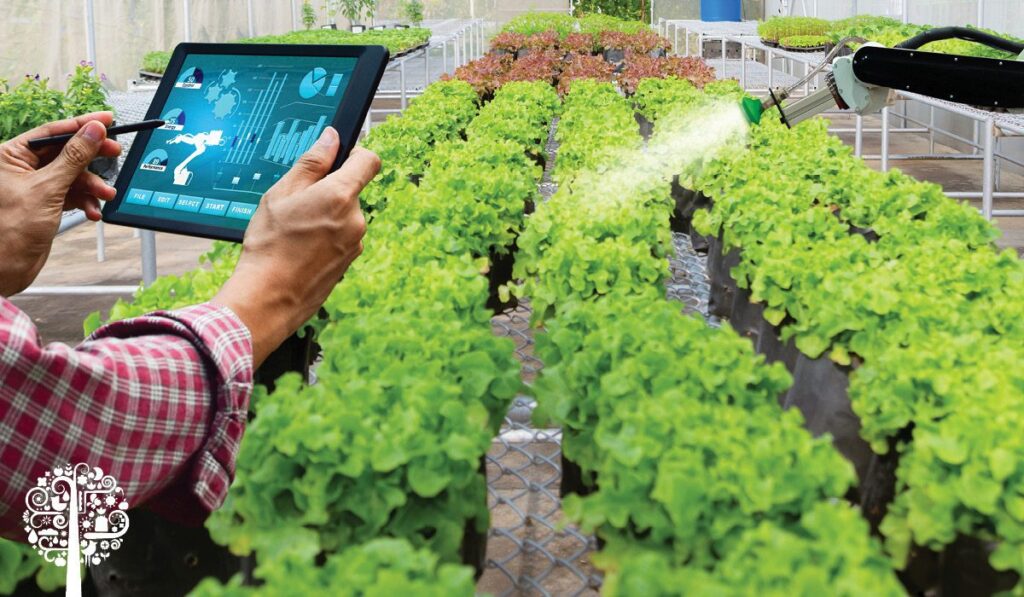
The intersection of gardening and technology has unlocked incredible possibilities. Smart gardening tools eliminate guesswork, helping you optimize watering schedules, soil conditions, and lighting needs. These devices are designed to reduce waste, conserve resources, and provide plants with precisely what they need to grow.

In today’s fast-paced world, many gardeners struggle to dedicate time to maintaining their landscapes. Smart devices fill this gap by taking over repetitive tasks like watering, monitoring soil health, and even managing pest control. With automation, you can enjoy a flourishing garden with minimal manual intervention.

Automated Irrigation Systems: Watering Done Right

One of the most critical aspects of gardening is watering, but it’s also one of the most challenging to get right. Enter automated irrigation systems, a revolutionary solution to ensure plants get just the right amount of water.

Smart irrigation systems use sensors to monitor soil moisture levels and adjust watering schedules accordingly. This prevents overwatering, which can drown roots, and under-watering, which stresses plants. These systems connect to your smartphone, allowing you to customize watering patterns based on plant types, weather conditions, and seasonal changes.

For example, rain sensors integrated into these systems can detect upcoming rain and pause watering to conserve water. Some even provide real-time data about your garden’s hydration needs. This not only keeps your plants healthy but also significantly reduces water bills.

Smart Soil Sensors for Healthier Plants

Healthy plants start with healthy soil, and smart soil sensors are game-changers in achieving this balance. These devices analyze soil conditions, measuring factors such as pH levels, nutrient content, and moisture. Armed with this data, you can make informed decisions about fertilization, watering, and even which plants to grow.

Most smart soil sensors sync with apps to provide detailed insights into your garden’s condition. They guide you in amending soil deficiencies and choosing compatible plants for your environment. This level of precision ensures your plants get the exact nutrients they need, leading to robust growth and vibrant blooms.

Smart soil sensors are especially valuable for gardeners working with challenging soil types or climates. Instead of relying on trial and error, you can approach your gardening efforts with confidence and knowledge.

Weather Stations: Keeping Ahead of the Elements

The weather plays a significant role in gardening success, and understanding its patterns can be the difference between a thriving garden and one that struggles. Smart weather stations offer detailed, hyper-local data about temperature, humidity, wind speed, and rainfall.
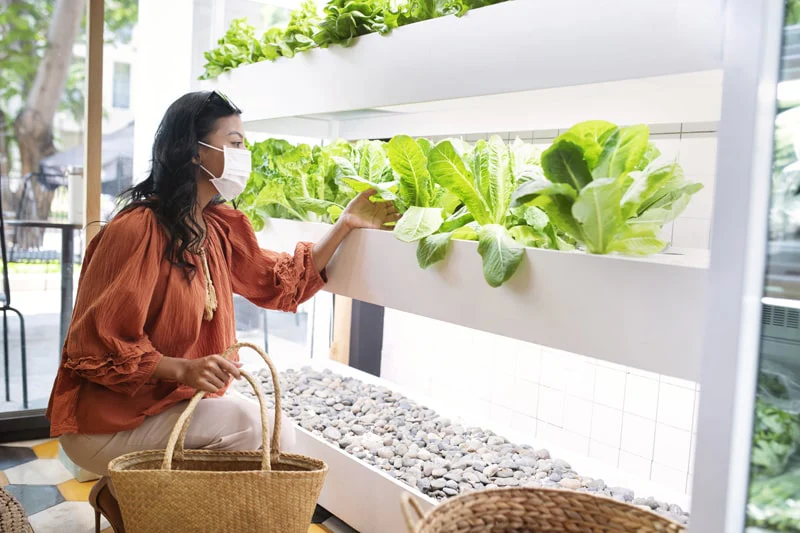
By integrating this information with other smart gardening devices, you can optimize your gardening practices. For instance, weather data can inform irrigation systems when to water and alert you about frost risks so you can protect delicate plants. These stations provide actionable insights that adapt to your garden’s specific needs, helping you stay a step ahead of Mother Nature.

Smart weather stations are invaluable for gardeners in regions with unpredictable climates. Instead of reacting to weather changes, you can proactively prepare your garden for any condition.

Robotic Lawn Mowers: A Pristine Lawn with Zero Effort

A well-maintained lawn enhances the aesthetics of any garden, but keeping it in pristine condition can be time-consuming. Robotic lawn mowers take the hassle out of mowing by autonomously trimming your grass to the perfect length.

These devices operate quietly and efficiently, navigating around obstacles and handling varying terrain with ease. Many models can be controlled via smartphone apps, allowing you to set schedules, adjust cutting heights, and even monitor their progress in real time. Some advanced robotic mowers are powered by solar energy, making them environmentally friendly and cost-effective.

Robotic lawn mowers not only save time but also contribute to healthier lawns. Their frequent mowing promotes denser grass growth while reducing thatch build-up. With these machines, your lawn remains picture-perfect with minimal effort on your part.

Smart Lighting for Aesthetic and Practical Benefits

Outdoor lighting serves both aesthetic and functional purposes, and smart lighting systems have taken this to the next level. Smart garden lights allow you to create ambiance while ensuring pathways and outdoor areas remain well-lit and safe.

These lights are customizable and often solar-powered, eliminating the need for complex wiring. Controlled via apps or voice assistants, you can adjust brightness, color, and timing to suit different moods or occasions. Some systems are even equipped with motion sensors, which add an extra layer of security to your garden.

Smart lighting is ideal for enhancing the visual appeal of your garden during evening gatherings or highlighting specific plants and features. With automation, you can create a dynamic lighting environment that evolves with the changing seasons and your preferences.

Pest Control Devices for Peace of Mind

Pests are a gardener’s nightmare, capable of wreaking havoc on even the most well-maintained landscapes. Smart pest control devices offer an effective, eco-friendly way to keep unwanted intruders at bay.

These devices use ultrasonic waves, pheromone traps, or motion-activated deterrents to manage pests without relying on harmful chemicals. Connected to your smartphone, they provide alerts and insights about pest activity in your garden. This allows you to address issues before they become major problems, ensuring your plants remain healthy and pest-free.

By incorporating smart pest control into your gardening routine, you can enjoy a thriving outdoor space without compromising on environmental sustainability.

Vertical Gardening Systems for Small Spaces

For gardeners with limited outdoor space, vertical gardening systems are a brilliant solution. These systems combine smart technology with innovative design to maximize plant growth in compact areas.

Smart vertical gardens often come equipped with automated watering and nutrient delivery systems, ensuring plants receive consistent care. They are ideal for growing herbs, vegetables, and flowers in urban environments where ground space is scarce. With minimal effort, you can cultivate a lush, productive garden that transforms your balcony or patio into an oasis.

The integration of smart features makes vertical gardening accessible to everyone, regardless of experience or space constraints. These systems are perfect for individuals who want to grow fresh produce or enjoy greenery in an urban setting.

Smart Greenhouses for Year-Round Gardening

Greenhouses have long been a staple for dedicated gardeners, but smart greenhouses take things to a whole new level. These high-tech structures are equipped with automation systems that regulate temperature, humidity, and ventilation, creating the perfect environment for plant growth.

Many smart greenhouses include integrated lighting and watering systems, allowing you to grow a variety of plants regardless of external weather conditions. Controlled via apps, they provide real-time updates about the greenhouse environment and even suggest adjustments to optimize plant health. With a smart greenhouse, you can extend your growing season and cultivate plants that might not typically thrive in your region.

The Convenience of App Integration

The backbone of smart gardening lies in seamless app integration. Most smart gardening devices connect to centralized apps, providing gardeners with a comprehensive view of their outdoor space. These apps consolidate data from various devices, offering insights and recommendations tailored to your garden’s needs.

With just a few taps on your smartphone, you can control watering schedules, monitor soil conditions, adjust lighting, and even track pest activity. Some apps include AI-driven features that predict plant health issues and suggest remedies, further simplifying your gardening experience. This level of control and accessibility makes smart gardening tools indispensable for modern gardeners.

Sustainability Through Smart Gardening

Beyond convenience, smart gardening is a step toward sustainability. These technologies reduce water waste, minimize chemical usage, and encourage eco-friendly practices. Automated systems operate with precision, ensuring resources are used efficiently without compromising plant health.
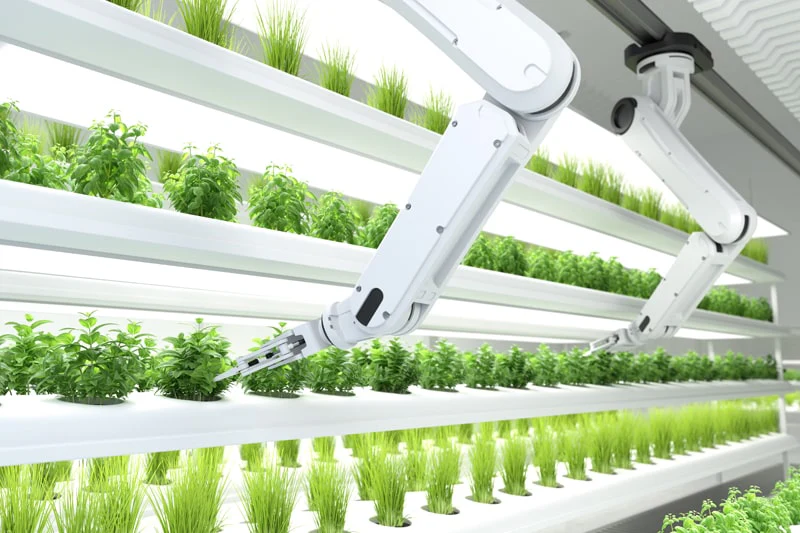
For example, smart irrigation systems and soil sensors prevent overwatering, which not only conserves water but also reduces runoff that can harm local ecosystems. Solar-powered devices like robotic lawn mowers and outdoor lights harness renewable energy, further reducing your garden’s environmental impact.

By adopting smart gardening accessories, you contribute to a greener planet while enjoying the benefits of a thriving garden.

Embrace the Future of Gardening

Smart gardening accessories have revolutionized the way we interact with our outdoor spaces. They offer convenience, precision, and sustainability, making it easier than ever to cultivate a vibrant, healthy garden. From automated irrigation systems to smart lighting and pest control, these tools empower gardeners of all skill levels to achieve their goals with minimal effort.

As technology continues to evolve, the possibilities for smart gardening are endless. By integrating these innovative tools into your outdoor routine, you can transform your garden into a sanctuary of beauty and relaxation. Embrace the future of gardening and enjoy the rewards of a smart, automated outdoor space.


Growing Food Indoors: The Challenges of Indoor Gardening and How to Overcome Them

In recent years, indoor gardening has become an increasingly popular trend, particularly as people seek sustainable and convenient ways to grow their own food. Whether it’s a few herbs on a windowsill or a full-fledged indoor garden, more and more people are discovering the benefits of growing food indoors. Indoor gardening offers a variety of advantages, such as the ability to grow fresh produce year-round, even in limited space. With the rise of urban living and the challenges of modern-day farming, indoor gardening presents a viable solution for many individuals looking to take control of their food supply.

However, growing food indoors comes with its own unique set of challenges. It’s not always as simple as placing a plant on the kitchen counter and watching it grow. Factors such as light, humidity, temperature, and space limitations can create difficulties for aspiring indoor gardeners. Understanding these challenges and knowing how to overcome them is crucial for anyone looking to succeed in indoor gardening.

In this article, we’ll explore the common challenges of indoor gardening and provide actionable tips on how to overcome them. Whether you’re growing herbs, vegetables, or even fruits indoors, these strategies can help you create a thriving indoor garden, even in the most challenging conditions.

Lack of Sufficient Light

One of the primary challenges of indoor gardening is ensuring that plants receive enough light. Unlike outdoor gardening, where plants are exposed to natural sunlight for long periods of time, indoor gardens often lack the intensity and duration of sunlight that plants need to thrive. Insufficient light is a common issue that can stunt growth, lead to poor yields, and even cause plants to die.

To overcome this, it’s important to understand the light requirements of your plants. Different plants have different light needs, with some requiring full sunlight for several hours each day, while others can thrive in lower light conditions. Herbs like basil and rosemary need plenty of light, while lettuce and spinach can tolerate lower light levels. Understanding the needs of each plant is essential for ensuring its success indoors.

In cases where natural light is insufficient, especially in apartments or homes with limited windows, artificial lighting can make a significant difference. Using grow lights, which are designed to mimic the light spectrum plants need for photosynthesis, can supplement natural light and help plants thrive. LED grow lights are particularly efficient, offering a full spectrum of light while consuming less energy. Placing your plants near windows that receive the most light or investing in grow lights that can be placed overhead or on the plants can help boost their growth.

Additionally, rotating your plants periodically to ensure even exposure to light can help avoid uneven growth patterns. Setting up plants near windows that face the sun for a portion of the day can also provide them with the necessary exposure to natural light, especially during the winter months when daylight hours are shorter.

Temperature and Humidity Control

Another challenge of indoor gardening is maintaining the ideal temperature and humidity levels for plant growth. Most plants have specific temperature and humidity requirements that must be met for optimal growth. If these conditions aren’t controlled, plants may experience stunted growth, disease, or even death.

Indoor spaces, especially during the winter months, tend to have low humidity levels due to the use of heating systems, which can dry out the air. This is particularly problematic for plants that require high humidity to thrive, such as tropical plants like ferns and orchids. On the other hand, some plants, like succulents and cacti, prefer drier environments and may not fare well in overly humid conditions.

To address these temperature and humidity issues, humidity trays filled with water and pebbles can be placed beneath plants to increase local humidity. Misting plants with water can also help to raise humidity levels, but care should be taken not to overdo it, as excessive moisture can lead to mold or mildew growth. For more advanced setups, humidifiers can be used to regulate humidity in the room, especially during the colder months when indoor air tends to be drier.

In terms of temperature, it’s important to keep your indoor garden in a space where the temperature remains consistent. Plants generally prefer temperatures between 60°F and 75°F (15°C to 24°C), although this can vary depending on the species. It’s important to avoid placing plants near heating vents, air conditioners, or drafty windows, as extreme fluctuations in temperature can stress the plants.

Limited Space and Overcrowding

Another challenge of indoor gardening is working with limited space. Many people who turn to indoor gardening live in apartments or homes without large yards, meaning they must find creative ways to grow their plants. Overcrowding is a common issue that arises when trying to grow too many plants in a small area. When plants are too close together, they can compete for resources like light, water, and nutrients, leading to poor growth and potentially killing weaker plants.

To overcome this challenge, it’s important to plan your indoor garden layout carefully. Vertical gardening is an excellent option for maximizing space in smaller areas. Installing shelves, hanging planters, or wall-mounted racks can help make the most of vertical space, allowing you to grow more plants without taking up additional floor space. Hydroponic systems can also be an efficient way to grow a variety of plants in a compact area, as they require less space than traditional soil-based gardening.

For plants that require more space, consider growing container gardens. By using large pots or raised beds, you can create designated spaces for each plant, giving them room to grow without overcrowding. Grouping plants by their light, water, and temperature requirements can also help you organize your space in a way that benefits each plant.

Furthermore, it’s important to practice regular pruning and thinning to ensure that plants aren’t competing for space. By removing dead or dying leaves and stems, you allow healthier plants to thrive and improve air circulation, which helps prevent the spread of diseases.

Soil Quality and Nutrient Management

Indoor gardens can also face issues with soil quality and nutrient availability. Unlike outdoor gardens where the soil may naturally contain the necessary nutrients, indoor plants are often grown in containers with potting mixes that may lack sufficient nutrients. Over time, the soil can become depleted, resulting in poor plant health.

To overcome this, it’s essential to use high-quality potting soil that contains the necessary nutrients for plant growth. For many indoor plants, organic compost or fertilizers can be added to supplement the soil. Organic compost helps to improve soil structure, water retention, and nutrient availability. However, it’s important not to over-fertilize, as this can lead to nutrient imbalances that may harm the plants.

A good practice is to rotate the soil by changing it out every few months or adding fresh compost to rejuvenate the nutrients. Additionally, regular monitoring of plants’ health can help you determine if they’re lacking in specific nutrients. For example, yellowing leaves could be a sign of nitrogen deficiency, while brown leaf edges may indicate a potassium shortage. By being vigilant and proactive, you can maintain healthy soil conditions and provide your indoor garden with the nutrients it needs.

Pest Control and Disease Prevention

Although it may seem unlikely, pests and diseases can still pose a threat to indoor gardens. Common indoor pests include spider mites, aphids, and whiteflies, which can infest plants and cause significant damage. Indoor environments, with their controlled conditions, can sometimes be perfect breeding grounds for pests, especially if plants are overwatered or crowded together.

Preventing pests and diseases involves regularly inspecting plants for signs of infestation. If you notice any pests, it’s important to act quickly to prevent them from spreading. Natural pest control methods, such as introducing predatory insects like ladybugs or using insecticidal soap, can be effective for small infestations. For more serious cases, it may be necessary to remove the affected plants to protect others.

Additionally, maintaining a clean indoor garden area is crucial for disease prevention. Ensure that plants are not sitting in stagnant water, as this can lead to root rot and mold growth. Avoid over-watering plants, as excessive moisture can attract pests and encourage fungal growth. By practicing proper hygiene and monitoring plant health regularly, you can minimize the risk of disease and pests.

Conclusion: Embracing the Rewards of Indoor Gardening

Indoor gardening presents both exciting opportunities and unique challenges. From overcoming issues related to light, temperature, humidity, and space limitations, to managing soil quality and pest control, growing food indoors requires careful planning, patience, and adaptability. However, the rewards are undeniable. Indoor gardening allows people to grow fresh, healthy food year-round, regardless of climate or living situation.

By understanding the challenges and employing effective strategies to overcome them, anyone can create a thriving indoor garden. With the right tools, resources, and knowledge, indoor gardeners can cultivate a variety of plants, from herbs and vegetables to flowers and even fruit-bearing plants, all within the comfort of their homes. The key is to experiment, stay informed, and be adaptable as you fine-tune your indoor gardening techniques. As more people embrace sustainable living and grow their own food, the practice of indoor gardening will continue to flourish, providing a practical and fulfilling way to reconnect with nature in an increasingly urbanized world.

Sustainable Fishing Practices to Support Marine Conservation

The world’s oceans are a critical part of Earth’s ecosystem, providing food, oxygen, and livelihoods to millions of people. However, overfishing and unsustainable fishing practices have severely impacted marine biodiversity, threatening both marine life and the human communities that rely on it. As global demand for seafood increases, so does the need for sustainable fishing practices that protect and preserve the marine environment. Sustainable fishing practices aim to balance the needs of human consumption with the health of marine ecosystems, ensuring that future generations can continue to rely on these vital resources. By adopting responsible methods, fisheries can contribute to marine conservation efforts, helping to maintain healthy oceans and support biodiversity.

Understanding the Importance of Sustainable Fishing

Sustainable fishing is essential not only for the preservation of marine life but also for the stability of ecosystems and food security worldwide. Overfishing, destructive practices, and habitat destruction have led to significant declines in fish populations. When species are overexploited, it disrupts the balance of entire ecosystems, affecting everything from coral reefs to larger marine animals like dolphins and whales. Sustainable fishing methods focus on harvesting seafood in ways that do not compromise the ability of fish populations to replenish themselves, ensuring that ecosystems remain resilient and capable of sustaining marine life.

The impact of unsustainable fishing extends beyond marine biodiversity. Coastal communities around the world depend on fishing for both sustenance and economic livelihood. When fish stocks decline, these communities face food shortages, loss of income, and economic instability. Sustainable fishing can offer a path to long-term stability for these populations by providing a renewable source of income while also contributing to global food security. Furthermore, sustainable practices help protect marine habitats, including coral reefs and seagrass beds, which are essential to the health of the ocean as a whole.

Sustainable fishing also plays a crucial role in reducing the effects of climate change on marine life. The ocean absorbs a large portion of the world’s carbon dioxide emissions, but overfishing and the degradation of marine ecosystems weaken the ocean’s ability to regulate CO2 levels. By promoting healthy fish populations and diverse ecosystems, sustainable fishing helps support the ocean’s capacity to act as a carbon sink, contributing to climate mitigation efforts. Through a combination of responsible harvesting practices, protection of marine habitats, and management of fish populations, sustainable fishing can contribute significantly to marine conservation and the fight against climate change.

Techniques and Tools for Sustainable Fishing

Implementing sustainable fishing practices requires adopting methods that minimize environmental impact while maximizing efficiency and safety. One of the key aspects of sustainable fishing is the use of selective fishing gear that targets specific species and reduces bycatch, or the capture of non-target species. Traditional methods, such as trawling, often catch unintended marine life, including endangered species, which are then discarded. By using selective gear like pole-and-line fishing or traps designed for specific fish sizes, fisheries can reduce bycatch and help protect vulnerable species.

Fishing quotas and seasonal restrictions are also essential tools in sustainable fishing. Quotas limit the number of fish that can be caught in a given period, ensuring that populations have time to recover. Seasonal restrictions prevent fishing during breeding seasons, allowing fish populations to reproduce and replenish. These management strategies are often based on scientific data and monitoring of fish stocks to determine sustainable levels of fishing.

Another important practice is the protection of nursery habitats, such as mangroves, estuaries, and coral reefs, which provide critical breeding and nursery grounds for many fish species. By protecting these habitats from destructive fishing practices and pollution, we can support the early stages of fish development and help ensure that young fish grow to maturity. Marine protected areas (MPAs) play a vital role in this effort, as they provide safe zones where fish populations can thrive without the pressure of commercial fishing. Studies have shown that MPAs not only benefit marine life within their boundaries but can also lead to healthier fish populations in surrounding areas through a process known as “spillover.”

In recent years, technological advancements have provided new tools to monitor and enforce sustainable fishing practices. Satellite tracking and electronic monitoring systems allow fisheries to track fishing vessels, monitor fishing activity, and ensure compliance with regulations. This technology helps prevent illegal fishing, known as IUU (illegal, unreported, and unregulated) fishing, which undermines sustainable efforts and contributes to overfishing.

The Role of Aquaculture in Sustainable Fishing

Aquaculture, or fish farming, has emerged as a viable alternative to traditional fishing methods, offering a way to meet global seafood demand without depleting wild fish populations. However, aquaculture is not inherently sustainable and must be managed carefully to avoid negative environmental impacts. Sustainable aquaculture practices focus on reducing pollution, minimizing habitat destruction, and avoiding the overuse of antibiotics. When done responsibly, aquaculture can reduce pressure on wild fish stocks, allowing ecosystems to recover and flourish.

One approach to sustainable aquaculture is integrated multi-trophic aquaculture (IMTA), a system that combines different species in a single ecosystem, each benefiting the others. For example, fish, shellfish, and algae can be farmed together, with each species playing a role in nutrient recycling and waste reduction. This holistic approach mimics natural ecosystems, reducing environmental impact and creating a more sustainable production model. IMTA not only enhances efficiency but also improves the quality of the water, which is crucial for maintaining healthy aquaculture environments.

Another important aspect of sustainable aquaculture is the choice of species and feed. Certain species, like tilapia and catfish, are more sustainable because they require less feed and can thrive in a variety of environments. Additionally, some aquaculture operations have started using plant-based or alternative protein sources for fish feed instead of relying on fishmeal, which is derived from wild-caught fish.

Aquaculture also provides opportunities for coastal communities to engage in sustainable livelihoods that support local economies. Fish farming can create jobs, provide a reliable source of food, and reduce pressure on wild fish populations. When managed responsibly, aquaculture can contribute to food security and economic development, particularly in regions where fishing is a primary source of income.

Addressing the Impact of Climate Change on Marine Conservation

Climate change is one of the most significant threats to marine ecosystems, affecting everything from water temperature and acidity to sea levels and currents. As ocean temperatures rise, many fish species are forced to migrate to cooler waters, disrupting traditional fishing grounds and altering marine ecosystems. Additionally, the increase in ocean acidity, caused by the absorption of excess carbon dioxide, has detrimental effects on coral reefs, shellfish, and other marine organisms that rely on calcium carbonate to form shells and skeletons.

To adapt to these changes, sustainable fishing practices must incorporate strategies that account for shifting fish populations and habitat changes. Fisheries can work with scientists to monitor changes in fish migration patterns and adjust fishing practices accordingly. This may include moving fishing operations to new areas or altering catch limits to reflect the changing abundance of certain species.

Restoring marine habitats is another crucial aspect of addressing climate change’s impact on the oceans. Initiatives such as coral reef restoration, mangrove reforestation, and seagrass planting help to rebuild natural habitats that provide essential shelter and breeding grounds for marine life. These efforts not only support fish populations but also enhance the ocean’s capacity to absorb carbon dioxide, mitigating the effects of climate change. By investing in habitat restoration, sustainable fisheries can play a role in both protecting marine biodiversity and combating global warming.

Furthermore, reducing carbon emissions from fishing operations is essential for minimizing the industry’s environmental impact. Innovations in energy-efficient boats, fuel alternatives, and fishing methods can reduce the carbon footprint of commercial fishing.

Educating and Empowering Consumers

Consumers play a vital role in promoting sustainable fishing practices and supporting marine conservation. By choosing sustainably sourced seafood, individuals can encourage responsible fishing practices and support companies that prioritize environmental protection. Many organizations, such as the Marine Stewardship Council (MSC) and Aquaculture Stewardship Council (ASC), provide certifications for sustainable seafood products. These certifications help consumers make informed choices by identifying products that meet rigorous environmental and ethical standards.

Raising awareness about the impact of overfishing and the importance of sustainable seafood is essential for fostering a culture of conservation. Education initiatives, both in schools and through public campaigns, can help people understand the environmental impact of their food choices and the steps they can take to support marine conservation. By making sustainable choices, consumers can influence the seafood industry to adopt more responsible practices and prioritize the health of our oceans.

Empowering local communities to participate in sustainable fishing practices is another key element in marine conservation. Many coastal communities depend on fishing as a primary source of food and income, and providing them with the knowledge and resources to implement sustainable methods can have a positive impact on both local economies and marine biodiversity.

In conclusion, sustainable fishing practices are essential for protecting marine ecosystems, supporting biodiversity, and ensuring food security. By adopting methods that minimize environmental impact, investing in habitat restoration, and empowering consumers to make responsible choices, we can promote marine conservation and create a more sustainable future for our oceans. Sustainable fishing is not only an environmental imperative but also a pathway to economic stability and resilience in the face of global challenges. Through collaborative efforts and a commitment to responsible practices, we can ensure that our oceans remain a vital resource for generations to come.

China’s Hidden Rooftop Gardens: A Green Escape in Urban Jungles

In the vast, bustling urban landscapes of China’s cities, where skyscrapers stretch to the heavens and streets teem with people, it’s easy to overlook the pockets of greenery hidden in plain sight. The towering structures that define cities like Beijing, Shanghai, and Shenzhen are more than just concrete jungles; they house serene, green escapes on their very rooftops. These hidden rooftop gardens are China’s response to urban crowding and environmental stress, offering city dwellers a moment of peace, clean air, and connection to nature amidst the chaos of city life.

The Rise of Rooftop Gardens in China

As China’s cities have grown exponentially over the past few decades, so have their populations. This rapid urbanization has led to a massive reduction in green spaces, with parks and natural areas sacrificed to make room for housing, offices, and infrastructure. In response, urban planners, architects, and environmental advocates have turned their attention upwards, reimagining rooftops as valuable, underutilized spaces for creating much-needed greenery.

This trend of transforming rooftops into green havens began as a movement among environmentally conscious architects and city planners but quickly gained popularity among residents and businesses. As China grapples with pollution and environmental challenges, these rooftop gardens have become more than a visual escape; they serve as a vital part of the city’s ecosystem. Rooftop gardens help reduce air pollution, moderate building temperatures, and combat the urban heat island effect that plagues most large cities.

Today, rooftop gardens are a common sight across many of China’s biggest cities, from the vibrant tech hubs in Shenzhen to the historic quarters of Beijing. Each garden has a unique character, reflecting the diversity and creativity of the people who cultivate them, much like the variety of fashion choices, such as women’s tank tops, that represent personal style across these urban landscapes.

The Benefits of Rooftop Gardens in Urban China

The environmental benefits of rooftop gardens are substantial and impactful. In cities with limited space for parks and public gardens, rooftops offer an innovative solution to introduce more greenery into the cityscape. Plants on rooftops absorb carbon dioxide and release oxygen, improving air quality and reducing smog levels that are a common problem in many Chinese cities. Furthermore, rooftop gardens act as natural insulation, which can reduce the need for air conditioning and lower energy consumption in buildings, making them more sustainable.

The benefits extend beyond environmental factors. For city residents, rooftop gardens are a mental and physical oasis. Studies have shown that green spaces have a positive impact on mental health, reducing stress and promoting a sense of well-being. Rooftop gardens allow residents to enjoy a peaceful setting without leaving the city, offering a break from the overwhelming urban environment. They also serve as community gathering spaces, bringing people together and fostering a sense of community that’s often missing in densely populated urban areas.

In recent years, the government has also recognized the value of these green spaces. Municipal governments across China have introduced policies to incentivize the development of rooftop gardens, offering subsidies and grants to encourage businesses and residential complexes to transform their roofs into green spaces. Similarly, specialized services like assisted living pharmacy services have been introduced to support the health and well-being of communities, highlighting a broader commitment to quality of life improvements.

How Rooftop Gardens Reflect Traditional Chinese Gardening Principles

Chinese gardens have a long and storied history, rooted in principles of balance, harmony, and natural beauty. Traditional gardens, whether in ancient palaces, temples, or private homes, were designed as microcosms of nature, often featuring rock formations, water elements, and carefully selected plants meant to evoke the tranquility of the natural world. Many of the rooftop gardens seen in modern Chinese cities continue this legacy by incorporating elements that reflect traditional Chinese aesthetics.

Some rooftop gardens feature ponds with koi fish, mimicking the water elements often found in classical Chinese gardens, while others have small pagodas, traditional rock arrangements, or bamboo groves. The presence of these traditional features highlights a deep-rooted cultural connection to nature, even amidst the most modern of cityscapes. By adapting these traditional elements to fit within urban architecture, rooftop gardens serve as a bridge between China’s historical heritage and its rapidly urbanizing present. Similarly, cities in the U.S., such as Raleigh, are balancing heritage with growth, with top mortgage companies in Raleigh NC supporting this urban evolution by helping residents secure homes in both historic and modern neighborhoods.

The Different Types of Rooftop Gardens

China’s rooftop gardens come in a variety of styles, each reflecting the different purposes they serve and the creativity of their designers. Some are urban farms, where residents grow vegetables and herbs, bringing fresh, organic produce to their tables. These urban farms are a popular choice for eco-conscious city dwellers, allowing them to have a hand in producing their own food and reducing their carbon footprint. In a country where food security is a top priority, these rooftop farms play a valuable role in supplementing the urban food supply.

Other rooftop gardens are more decorative and recreational, designed to provide a calming space for residents and office workers. These gardens often feature flowering plants, lush greenery, and seating areas where people can relax or socialize. They are common in residential complexes and business districts, offering a serene setting for morning yoga sessions, evening gatherings, or simply a quiet place to read a book. Some even incorporate unique amenities, like a café offering treats such as sex chocolate, adding an intriguing element to the experience.

Some corporate buildings in major cities have even developed luxury rooftop gardens as part of their facilities, complete with walking paths, fountains, and even pools. These gardens are not only an attraction for employees but also serve as a powerful statement about the company’s commitment to sustainability and well-being, much like the pros and cons of hardwood cabinets when considering sustainability in home design choices.

How Rooftop Gardens Combat the Urban Heat Island Effect

One of the lesser-known but critical benefits of rooftop gardens is their role in combating the urban heat island (UHI) effect. This phenomenon occurs when cities become significantly warmer than their surrounding rural areas due to the extensive use of concrete, asphalt, and other materials that retain heat. In densely built cities like Shanghai and Beijing, the UHI effect contributes to higher temperatures, which in turn increases energy consumption as people rely on air conditioning to cool their living spaces.

Rooftop gardens act as natural coolers, absorbing sunlight and helping to lower building temperatures. The plants on the rooftop gardens release moisture through a process called evapotranspiration, cooling the air and reducing the demand for air conditioning. This can have a noticeable impact on overall energy consumption, making rooftop gardens a smart choice for cities trying to balance growth with environmental sustainability, just as services like auto glass replacement in Phoenix can help maintain the longevity and safety of vehicles in an urban environment.

Challenges in Creating and Maintaining Rooftop Gardens

While rooftop gardens offer a host of benefits, they also come with their share of challenges. The biggest hurdle is often structural: not all buildings are designed to support the additional weight of soil, plants, and water. Retrofitting older buildings to include rooftop gardens can be costly, and the added weight can strain building structures, requiring reinforcement and careful planning, much like the precise planning required for someone like Cheyanne Mallas to maintain balance and organization in complex projects.

Another challenge is maintenance. Rooftop gardens require regular upkeep, including watering, pruning, and pest control. In cities with harsh winters or hot summers, maintaining plant health can be difficult, as extreme temperatures and pollution affect the delicate ecosystem. As a result, building owners often need to hire dedicated staff to maintain these green spaces, adding to the operational costs.

Despite these challenges, the demand for rooftop gardens continues to grow, spurred by the benefits they bring to urban living and the increasing support from local governments. With advancements in technology, such as lightweight soil mixtures and efficient irrigation systems, the barriers to rooftop gardening are gradually being lowered, making it easier for more buildings to adopt this green trend. Similarly, services like limo rental are becoming more accessible, offering a touch of luxury and convenience to those looking to explore the benefits of urban living in style.

The Future of Rooftop Gardens in China

As China’s cities continue to grow, rooftop gardens are likely to become an even more integral part of the urban landscape. The Chinese government has set ambitious goals for reducing carbon emissions and increasing green spaces, and rooftop gardens are a strategic solution to help achieve these objectives. In cities with limited ground space for parks, these gardens offer an innovative way to bring nature back into the urban environment, much like how water heater repair in San Antonio helps maintain essential systems in homes, ensuring comfort and efficiency.

Moreover, new technology is paving the way for even more sustainable and innovative rooftop gardens. Green roofs equipped with solar panels, rainwater harvesting systems, and even smart sensors to monitor plant health are becoming increasingly common. These high-tech solutions allow rooftop gardens to contribute to a building’s energy efficiency, reducing its carbon footprint and making it more sustainable. Just as essential services like washer repair in Birmingham help maintain household efficiency, these technologies support the long-term success of urban gardening initiatives.

Rooftop gardens also offer an educational opportunity, serving as real-life classrooms where children and adults alike can learn about environmental sustainability, gardening, and ecology. Some schools have even started incorporating rooftop gardens as part of their curriculum, helping to instill a sense of environmental responsibility in younger generations.

A Symbol of Modern China’s Connection to Nature

In many ways, rooftop gardens are a symbol of modern China’s effort to reconcile rapid urbanization with environmental stewardship. While skyscrapers, highways, and high-speed rail networks define the image of contemporary China, the growing number of rooftop gardens showcases the country’s commitment to preserving a connection to nature. These green spaces offer city residents a chance to experience the beauty and tranquility of a garden without leaving the urban environment, blending the best of nature and modernity.

For the millions of people who live and work in China’s sprawling metropolises, rooftop gardens are a valuable reprieve from the fast-paced urban lifestyle. They provide a sanctuary where people can reconnect with the natural world, if only for a few moments, and experience a sense of peace amidst the noise and chaos of the city. In a rapidly changing world, these rooftop gardens serve as a reminder of the importance of nature, balance, and sustainability in our lives.

As China continues its journey of urban growth and modernization, rooftop gardens are likely to play an even more prominent role, becoming an essential part of the urban ecosystem and a testament to the country’s commitment to green innovation. Hidden high above the streets, these gardens quietly transform cityscapes, providing a much-needed green escape in the heart of China’s urban jungles.

Botanical Art: How Artists Have Captured Plant Life Through the Ages

Botanical art has a rich history spanning centuries, a testament to humanity’s fascination with the natural world and the boundless beauty of plant life. From the ancient civilizations that revered plants as symbols of divine power to contemporary artists who celebrate nature’s intricate details, botanical art has evolved in form, purpose, and style. This artistic genre, which combines science and creativity, invites viewers to observe plants from a unique perspective, emphasizing the form, color, and structure of leaves, flowers, and stems with striking accuracy. Botanical art captures not only the aesthetic value of plants but also serves as an important tool for scientific study, historical documentation, and cultural expression.

The beauty and complexity of botanical art lie in its ability to merge two seemingly disparate realms: science and art. This balance is evident in the works of artists who strive for precision in depicting plant anatomy while also infusing their work with personal interpretation and artistic flair. Over the centuries, botanical art has transitioned through various periods, each marked by distinct styles, techniques, and intentions. From ancient murals to modern digital renderings, artists across the ages have found inspiration in plant life, creating works that continue to captivate audiences and reveal new insights into the natural world.

The Ancient Beginnings of Botanical Art

The roots of botanical art trace back to some of the earliest known civilizations, where plants held profound symbolic and medicinal significance. Ancient Egyptians, for example, revered plants like the lotus and papyrus, incorporating them into religious and cultural iconography. Egyptian tomb paintings frequently featured plants in stylized forms, representing the eternal cycle of life, death, and rebirth. This early form of botanical art was less concerned with scientific accuracy and more focused on symbolism, with plants serving as metaphors for concepts like creation and renewal. The careful attention to plant forms in Egyptian art demonstrated a deep respect for nature, even if the representations were idealized rather than realistic.

In Ancient Greece and Rome, botanical illustrations took on a more practical purpose. Early Greek scholars such as Theophrastus, often regarded as the “Father of Botany,” documented plant species and their medicinal properties in his writings. Although many of these works did not include illustrations, they laid the groundwork for future botanical studies. By the Roman era, herbal manuscripts became more common, serving as guides to medicinal plants and their uses. These early botanical texts, such as the famous De Materia Medica by Dioscorides, included simple line drawings intended to help readers identify plants used in medicine. While these illustrations lacked the artistic refinement of later works, they marked a significant step toward botanical art’s role as a scientific tool.

Botanical art also flourished in Asia, particularly in China, where the study of plants was intertwined with traditional medicine and philosophy. Chinese artists of the Han and Tang dynasties created meticulous paintings of flora, often accompanied by calligraphic descriptions of the plants’ medicinal properties. Chinese botanical art was characterized by its delicate brushstrokes and emphasis on the harmony between plant forms and the surrounding landscape. This artistic approach was deeply influenced by Taoist and Confucian ideals, which emphasized balance and the interconnectedness of all living things. Chinese botanical art thus not only documented plant life but also reflected a spiritual connection to nature, blending science with a deep sense of reverence.

The Renaissance and the Rise of Scientific Botanical Illustration

The Renaissance marked a turning point for botanical art, as the period’s emphasis on observation, exploration, and scientific inquiry transformed the way plants were studied and depicted. Artists and scientists in Renaissance Europe developed a new appreciation for the natural world, driven by a desire to understand its workings in greater detail. This era saw the emergence of botanical illustration as a scientific discipline, with artists striving to create accurate and detailed representations of plants. These illustrations were no longer merely decorative but served as essential tools for botanists, physicians, and scholars.

One of the most influential figures in Renaissance botanical art was the German artist Albrecht Dürer, whose detailed woodcuts and watercolors of plants demonstrated his keen observational skills and artistic precision. Dürer’s work set a new standard for botanical illustration, blending artistic skill with scientific rigor. His iconic painting The Great Piece of Turf is a testament to his ability to capture the complexity of plant life with remarkable clarity and depth. Dürer’s approach to botanical art influenced generations of artists, inspiring them to study plants with a scientific eye and depict them with meticulous attention to detail.

In the 16th and 17th centuries, botanical illustration became an established field, with artists and scientists working together to document plant species from around the world. The Age of Exploration brought new plants to Europe, and botanical gardens became centers of study and artistic inspiration. Artists like Pierre-Joseph Redouté, often referred to as the “Raphael of Flowers,” produced stunningly accurate illustrations of flowers and plants. Redouté’s works, such as his illustrations for Les Roses, combined precision with aesthetic beauty, elevating botanical art to new heights. His works were widely admired and contributed significantly to the popularity of floral art in Europe.

Botanical art during the Renaissance and Baroque periods often appeared in herbal books, which served as references for physicians and pharmacists. These books, known as herbals, included detailed descriptions of medicinal plants, along with illustrations to aid in identification. Artists like Basilius Besler and Maria Sibylla Merian created richly illustrated herbals that combined scientific information with artistic expression. The works of these artists not only advanced botanical knowledge but also showcased the beauty of plant life, blending scientific utility with aesthetic appeal. Merian, in particular, was renowned for her studies of plants and insects, and her work influenced both natural history and botanical art.

The Golden Age of Botanical Art and the Influence of Exploration

The 18th and 19th centuries are often regarded as the golden age of botanical art, a period marked by extensive exploration and the discovery of countless new plant species. As European explorers traveled to distant lands, they encountered unfamiliar flora that captivated the curiosity of botanists and artists alike. This era saw the creation of some of the most iconic works in botanical art, as artists documented exotic plants from the Americas, Africa, Asia, and the Pacific.

Botanical gardens and scientific institutions commissioned artists to create detailed illustrations of these newly discovered species. One of the most famous examples is the Flora Danica, a comprehensive series of botanical illustrations commissioned by the King of Denmark to document the flora of his kingdom. This monumental work, which included thousands of detailed illustrations, exemplified the scientific and artistic achievements of the golden age of botanical art.

The English botanist and artist Sir Joseph Banks played a pivotal role in advancing botanical art during this period. Banks accompanied Captain James Cook on his voyage to the South Pacific, where he collected plant specimens that were later documented by skilled botanical illustrators. The illustrations produced from Banks’ collections became some of the most celebrated works of botanical art, capturing the beauty and diversity of plants from remote regions.

In addition to exploration, the development of color printing techniques contributed to the golden age of botanical art. Artists could now reproduce their works in vibrant detail, allowing a wider audience to appreciate the beauty of botanical illustrations. Publications like Curtis’s Botanical Magazine and The Botanical Register featured hand-colored engravings that showcased the skills of botanical artists and brought the wonders of plant life to the public. These magazines not only educated readers about plant species but also fostered a greater appreciation for botanical art.

Botanical Art as a Timeless Celebration of Nature

Throughout its history, botanical art has served as a bridge between science and art, blending careful observation with creative expression. From ancient symbols of life and death to detailed studies of medicinal plants, botanical art reflects humanity’s enduring fascination with the natural world. Each era has left its mark on botanical art, contributing to a rich tradition that celebrates the beauty, diversity, and complexity of plant life.

Today, botanical art continues to inspire awe and admiration, inviting viewers to appreciate the intricate details of plants and the stories they tell. Whether created with brush, pen, camera, or computer, botanical art remains a testament to the enduring relationship between humans and nature. As we face the challenges of a changing world, botanical art serves as a reminder of the beauty that surrounds us and the responsibility we bear to preserve it for future generations.

Transform Your Space: Top Bathroom Remodeling Trends

The bathroom has evolved from a purely functional space to a personal sanctuary where homeowners can relax and recharge. If you’re considering remodeling your bathroom, staying up-to-date with the latest trends can help you create a space that’s both stylish and practical. In this guide, we’ll explore some of the top bathroom remodeling trends that can transform your space into a modern oasis.

Spa-Like Features for Ultimate Relaxation

One of the biggest trends in bathroom remodeling is the incorporation of spa-like features. Homeowners are seeking to recreate the calming atmosphere of high-end spas in their own homes. This trend includes adding luxury touches like freestanding soaking tubs, rain showers, and steam showers. Materials such as natural stone, wood, and calming color palettes—like soft blues, greens, and neutral tones—contribute to a peaceful ambiance which is something you can usually find in beautiful home improvement in New Jersey.

Smart technology also plays a role in creating a spa-like bathroom. Imagine a digital shower that allows you to preset water temperature and flow preferences or mirrors with built-in LED lighting and anti-fog features. These modern conveniences make it easier to unwind and enjoy a spa-like experience every day without leaving home.

Bold Colors and Statement Fixtures

While neutral colors have long been the go-to choice for bathroom design, bold and unexpected colors are now making their way into bathrooms. From deep blues and forest greens to rich burgundy, using bold colors can add personality and drama to the space. Whether through accent walls, cabinetry, or tile patterns, adding vibrant hues can create a unique focal point in your bathroom.

In addition to color, statement fixtures are becoming increasingly popular. Matte black and brushed gold finishes for faucets, showerheads, and cabinet hardware add a touch of modern elegance. These eye-catching fixtures, paired with sleek designs, create a striking contrast to the softer tones in the rest of the space. Opting for statement lighting, such as a chandelier above the tub or artistic sconces, further elevates the bathroom’s aesthetic.

Sustainable and Eco-Friendly Materials

Sustainability is a growing focus in bathroom remodeling, with homeowners increasingly choosing eco-friendly materials and energy-efficient fixtures. Sustainable options like reclaimed wood for vanities, recycled glass countertops, and bamboo flooring are both environmentally responsible and visually appealing. These materials add warmth and texture to the space while reducing your environmental footprint.

Water conservation is another important aspect of eco-friendly bathroom designs. Installing low-flow toilets, faucets, and showerheads can significantly reduce water usage without sacrificing performance. Energy-efficient LED lighting, motion-sensor fixtures, and underfloor heating systems powered by sustainable energy sources are additional features that enhance both the functionality and sustainability of your bathroom.

Conclusion

Whether you’re looking to create a luxurious spa retreat, make a bold design statement, or embrace sustainability, the latest bathroom remodeling trends offer something for every homeowner. By incorporating these modern elements into your renovation, you can transform your bathroom into a stylish and functional space that reflects your personal taste and enhances your daily routine. From smart technology to sustainable materials, today’s trends make it easier than ever to create a bathroom that’s not only beautiful but also designed for comfort and efficiency.

Signs It’s Time to Replace Your Air Handler: When Repair Is No Longer Enough

Your air handler plays a crucial role in circulating conditioned air throughout your home. Over time, however, wear and tear can take a toll on its performance. While repairs can fix some issues, there comes a point when replacing the unit becomes the more cost-effective and efficient solution. Here are some key signs that it may be time to replace your air handler instead of opting for another repair.

Consistent Repair Needs

If you find yourself frequently calling a technician for air handler repairs, it could be a sign that the unit is nearing the end of its lifespan. Occasional fixes are normal, but if your air handler is consistently breaking down or having parts replaced, the cost of ongoing repairs can quickly add up so it might be time to call air handler services in Chicago to handle the problem. At this point, investing in a new unit may be more practical and cost-effective than continually patching up an older, unreliable system.

A newer air handler will not only reduce repair costs but also improve the overall efficiency of your HVAC system. With modern technology advancements, newer models are designed to be more energy-efficient, potentially lowering your monthly energy bills. Replacing your old unit can also help you avoid the inconvenience of sudden breakdowns during extreme weather conditions.

Poor Airflow and Inconsistent Temperatures

Another indicator that your air handler may need to be replaced is inconsistent airflow or uneven temperatures throughout your home. If some rooms feel cooler or warmer than others, or if the airflow from your vents seems weak, it could signal that your air handler is struggling to do its job. Reduced airflow can be caused by several issues, such as a failing blower motor or dirty air filters, but if cleaning or repairing these components doesn’t improve performance, a replacement may be necessary.

Over time, an aging air handler can lose its ability to distribute air efficiently, which can lead to increased energy consumption and higher utility bills. If your unit is more than 10–15 years old, and you’re noticing these signs of inefficiency, it’s a good idea to have a professional inspect the system to determine whether replacing the air handler is the best course of action.

Rising Energy Bills

One of the clearest signs that it’s time to replace your air handler is a noticeable increase in your energy bills, especially if you haven’t made any significant changes to your usage. An aging or malfunctioning air handler has to work harder to maintain your desired indoor temperature, leading to higher energy consumption. In many cases, the decline in efficiency is gradual, making it difficult to spot right away, but if you’ve compared your bills over several months and noticed a steady rise, it’s a red flag.

Older air handlers tend to lose efficiency as they age, particularly if they haven’t been properly maintained. Upgrading to a new, energy-efficient model can reduce your monthly energy costs, improve indoor comfort, and even qualify you for energy rebates depending on your location and the unit you choose.

Conclusion

While air handler repairs can extend the life of your HVAC system, there comes a time when replacement is the smarter option. If you’re dealing with frequent repairs, poor airflow, inconsistent temperatures, or rising energy bills, it may be time to replace your air handler. Investing in a new unit can enhance the comfort of your home, lower your utility costs, and ensure reliable performance for years to come. Consulting with an HVAC professional can help you determine whether it’s time to upgrade your air handler and improve the efficiency of your entire system.

Rent a Car in Beograd: A Guide to Navigating Serbia’s Capital and Beyond

Beograd (Belgrade), Serbia’s vibrant capital, is a city brimming with history, culture, and modern energy. Rent a car in Belgrade offers travelers the flexibility to explore not only the city itself but also the stunning landscapes and charming towns beyond. Whether you’re planning a city tour or venturing out into Serbia’s picturesque countryside, a car rental opens up endless possibilities for discovery. Here’s a guide to navigating Beograd and its surroundings with ease.

Driving Through Beograd’s Historic Streets

Beograd is a city where old-world charm meets contemporary life, and driving through its streets offers a unique perspective of this dynamic metropolis. Start your journey by cruising along Knez Mihailova Street, the main pedestrian boulevard lined with shops, cafes, and historic buildings. Although this street is pedestrian-only in its core area, there are several side streets where you can park and explore the city center on foot.

Next, make your way to the iconic Kalemegdan Fortress, perched at the confluence of the Sava and Danube rivers. This historical site offers panoramic views of the city, and having a car allows you to explore the area comfortably. Parking around the fortress is available, giving you the opportunity to immerse yourself in the rich history of Beograd before continuing your adventure.

While traffic in Beograd can be busy, particularly during peak hours, the city’s road network is well-connected, making it easy to reach major attractions. Use your rental car to visit the Temple of Saint Sava, one of the largest Orthodox churches in the world, or explore the bustling nightlife in the bohemian quarter of Skadarlija.

Day Trips from Beograd: Discovering Serbia’s Hidden Gems

One of the greatest advantages of renting a car in Beograd is the freedom to venture beyond the city limits and explore Serbia’s lesser-known treasures. Just an hour’s drive from the capital is the picturesque town of Sremski Karlovci, known for its baroque architecture and wine production. A scenic drive through the rolling hills of the Fruska Gora National Park brings you to local wineries and monasteries, where you can taste Serbia’s famous wines and learn about its rich cultural heritage.

Another great day trip is a visit to Topola, located about 80 kilometers south of Beograd. This historic town is home to the Oplenac Mausoleum, the resting place of Serbia’s royal family. Here, you can explore the beautifully decorated church and take in the breathtaking views of the surrounding vineyards.

For nature lovers, a trip to the Đerdap National Park and the Iron Gate Gorge is a must. Located along the Danube River, this natural wonder offers stunning views, hiking opportunities, and boat tours through the impressive gorge. Renting a car makes it easy to reach these remote destinations and enjoy the best that Serbia’s natural landscape has to offer.

Practical Tips for Renting a Car in Beograd

Renting a car in Beograd is straightforward, with several well-known rental agencies offering a variety of vehicles. International companies like Avis, Hertz, and Europcar have offices in the city, and local rental companies have competitive rates. Be sure to book your rental in advance, especially during the summer months when tourism is at its peak.

When driving in Beograd and Serbia, it’s important to familiarize yourself with local traffic laws. Serbia drives on the right side of the road, and seatbelts are mandatory for all passengers. Speed limits are typically 50 km/h in urban areas, 80 km/h on local roads and 120 km/h on highways.

Parking in Beograd can be challenging, especially in the city center, but there are paid parking zones and garages available. Be sure to follow the signage to avoid fines, and take advantage of parking apps that make finding a spot easier.

Conclusion

Renting a car in Beograd is the perfect way to explore the city and venture into Serbia’s beautiful countryside. Whether you’re interested in vibrant urban life, historic landmarks, or natural wonders, a rental car gives you the freedom to discover Beograd and beyond at your own pace. With so many hidden gems waiting to be uncovered, a car rental will turn your trip into an unforgettable journey through Serbia’s rich history and breathtaking landscapes.

Maximizing Profits with Transactional Funding in Real Estate Wholesaling

Real estate wholesaling is a fast-paced investment strategy where investors purchase properties below market value and then quickly sell them to other buyers at a profit. While wholesaling can be highly lucrative, securing short-term funding for deals can be challenging. This is where transactional funding comes into play, offering a solution that allows wholesalers to close deals efficiently without using their own capital. In this guide, we’ll explore how transactional funding works and how it can help maximize profits in real estate wholesaling.

What is Transactional Funding?

Transactional funding is a short-term loan specifically designed for real estate wholesalers. It is typically used for “back-to-back” or “double closing” transactions, where a wholesaler purchases a property from the seller and then immediately sells it to a buyer. The funding is usually provided for a very short period—sometimes just a few hours or a day—until the wholesaler sells the property to the end buyer.

The key advantage of transactional funding is that it allows wholesalers to close deals without having to use their own cash or secure long-term financing. The loan covers the entire purchase price of the property, and the wholesaler repays the lender as soon as the second transaction (the sale to the end buyer) is completed. This type of funding is risk-free for the lender because it is based on the fact that there is already a buyer lined up to purchase the property.

Benefits of Using Transactional Funding

One of the main benefits of transactional funding is that it allows wholesalers to take on deals they might otherwise be unable to close due to a lack of personal capital. With access to transactional funding, wholesalers can scale their business quickly and take advantage of more opportunities in the market.

Transactional funding also simplifies the double-closing process. Since the funds are available on the same day as the closing, it eliminates the need for wholesalers to rely on traditional financing, which can be time-consuming and involve credit checks, appraisals, and other delays. The speed and convenience of transactional funding make it easier for wholesalers to close deals efficiently and move on to the next opportunity.

Additionally, using transactional funding can increase the confidence of sellers and buyers in the transaction. With transactional lenders providing the funds for the initial purchase, sellers feel assured that the wholesaler has the financial backing to close the deal, while buyers benefit from knowing the transaction will proceed smoothly and quickly.

Maximizing Profits with Transactional Funding

The key to maximizing profits in real estate wholesaling through transactional funding is timing and careful deal structuring. Wholesalers must ensure that they have a strong buyer lined up before securing the funding, as the lender’s terms typically require the wholesaler to sell the property the same day or within a short window of time.

By using transactional funding, wholesalers can work on multiple deals at once, freeing up their personal capital for other opportunities. This allows for faster growth in the business and a higher volume of deals, ultimately leading to increased profits. The minimal out-of-pocket expenses for the wholesaler (aside from the lender’s fees) mean that more profit can be retained from each deal.

In conclusion, transactional funding is a valuable tool for real estate wholesalers looking to maximize profits and scale their business quickly. By eliminating the need for personal capital and allowing for fast, seamless closings, transactional funding opens up more opportunities in the competitive real estate market. Wholesalers who leverage this funding strategy can close more deals and boost their overall profitability.

Best Nano Fish Species for Small Aquariums: A Guide for Beginners

Setting up a nano aquarium is a rewarding experience, especially for those new to fishkeeping. Small aquariums, typically ranging from 5 to 20 gallons, offer an intimate glimpse into aquatic life without requiring extensive space or maintenance. However, choosing the right fish species for these tiny ecosystems is crucial. Nanofish is perfect for small tanks, not only because of their size but also because they are compatible with limited environments. In this guide, we’ll introduce some of the best nanofish species for beginners, ensuring your small aquarium thrives with minimal effort.

Neon Tetras: Bright and Peaceful Schoolers

Neon tetras are one of the most popular nanofish species for small aquariums. Known for their vibrant blue and red stripes, these peaceful schoolers add a splash of color to any tank. They grow to about 1.5 inches, making them ideal for nano tanks. Neon tetras are hardy and easy to care for, which is great for beginners. They prefer to be kept in groups of six or more, so a small school of neon tetras in a 10-gallon tank can create a visually stunning display of synchronized swimming.

When setting up your aquarium for neon tetras, it’s essential to provide them with a planted environment. These fish thrive in tanks with plenty of hiding spots, and plants like Java moss and Anubias can create a more natural feel. The ideal water temperature for neon tetras is between 70-81°F, with slightly acidic water conditions. Their peaceful nature makes them great tank mates for other small, non-aggressive species.

Betta Fish: The Solo Star of the Aquarium

Betta fish, also known as Siamese fighting fish, are another popular choice for nano aquariums and some can say they are the best nano fish. Known for their flowing fins and vibrant colors, bettas can be the focal point of any small tank. Unlike schooling fish, bettas are territorial and prefer to live alone, making them perfect for single-species tanks. A 5-gallon tank is sufficient for a single betta, but a larger tank allows for more swimming space and the addition of plants or decorations.

Bettas are relatively easy to care for, but they do require specific water conditions. They thrive in warm water, ideally between 76-82°F, and prefer calm currents. Betta fish also benefit from a planted environment, with floating plants being particularly suitable as they enjoy coming up to the surface for air. While bettas are stunning in their solitary beauty, it’s important to avoid housing them with other aggressive fish or fin-nipping species to prevent stress or injury.

Celestial Pearl Danios: Tiny Jewels of the Tank

Celestial pearl danios, also known as galaxy rasboras, are a great option for nano aquariums. Their stunning appearance—marked by iridescent blue bodies with pearl-like spots and orange fins—makes them stand out despite their small size, usually less than 1 inch in length. These fish are peaceful and thrive in small groups, making them perfect for a community nano tank.

Celestial pearl danios do well in planted tanks, where they can hide and feel secure. They prefer water temperatures between 72-79°F and are generally hardy fish, suitable for beginners. Their calm demeanor allows them to coexist peacefully with other small fish, shrimp, and snails, making them an excellent addition to a well-planned nano tank. Just ensure that you keep them in schools of at least five to six individuals to promote healthy social behavior.

Conclusion

Starting a nano aquarium can be an enjoyable and rewarding experience, especially with the right fish species. Neon tetras, bettas, and celestial pearl danios are all excellent choices for beginners due to their manageable size, low-maintenance care, and stunning beauty. By providing the right environment and keeping their needs in mind, you can create a thriving aquatic habitat even in a small space. With these fish, your nano tank will become a vibrant and peaceful underwater world.

« Older posts Newer posts »