
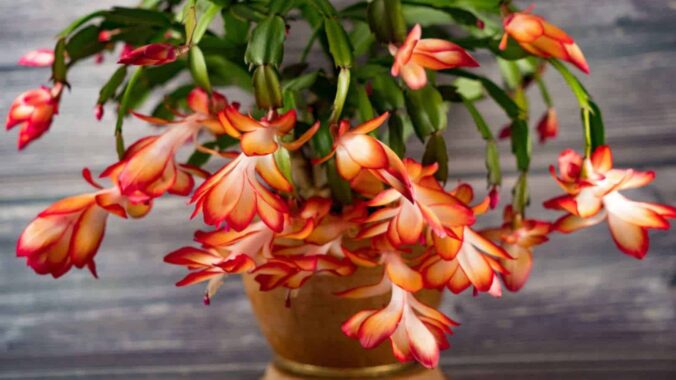
Few houseplants evoke the festive spirit quite like the Christmas Cactus. With its cascading green leaves and vibrant blooms in shades of pink, red, or white, it is a symbol of holiday cheer and home warmth. Yet, despite its beauty, many enthusiasts struggle to coax this plant into flowering year after year. Growing a Christmas Cactus at home can be immensely rewarding, but it requires an understanding of its natural rhythms, careful attention to environmental conditions, and a bit of patience.
Understanding Your Christmas Cactus
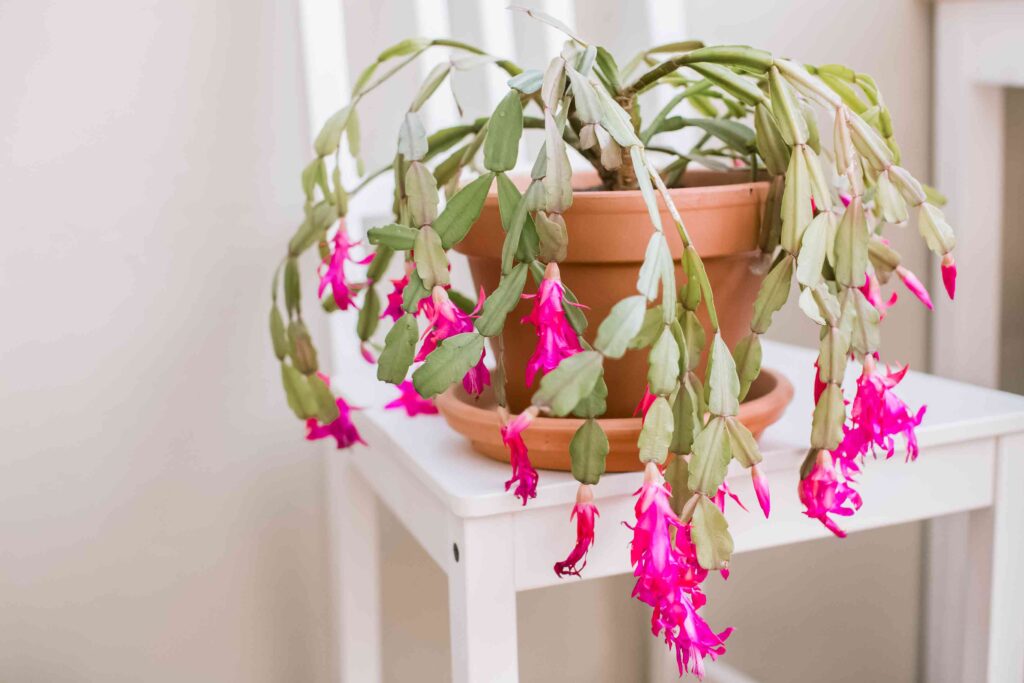
Before diving into the care techniques, it’s crucial to understand the biology of the Christmas Cactus. Unlike many other indoor plants, this cactus doesn’t originate from the desert. It hails from the tropical rainforests of Brazil, where it grows on tree branches and thrives in dappled light under the canopy. This means that your Christmas Cactus prefers indirect light, moderate humidity, and consistent moisture, rather than the blazing sun and dry soil that many desert cacti require.
Flowering is triggered by the plant’s perception of light and temperature changes. In its natural habitat, the Christmas Cactus begins preparing for blooms when the days shorten and nights lengthen. This sensitivity to light cycles, combined with cooler temperatures, signals the plant that it is time to bloom. When grown indoors, replicating these conditions is key to ensuring consistent flowering.
The Role of Light and Darkness
Light is one of the most critical factors for a Christmas Cactus to bloom. Many home gardeners unknowingly inhibit flowering by keeping their cactus in a room with constant artificial lighting or near bright, direct sunlight. Christmas Cacti thrive in bright, indirect light, such as near an east-facing window or a spot with filtered sunlight. Too much direct sun can scorch the leaves, while too little light will leave the plant healthy but barren of flowers.
Equally important is providing the plant with a period of uninterrupted darkness each night for at least six weeks before it is expected to bloom. This mimics the natural shortening of days in late fall and is a trigger for bud formation. Placing the cactus in a dark room or covering it with a box or cloth for 12 to 14 hours per night can effectively simulate this seasonal cue. This practice, combined with moderate daytime light, will often ensure a spectacular display of flowers.
Temperature Matters
Temperature plays a subtle but vital role in coaxing your Christmas Cactus into bloom. In its tropical environment, the plant experiences cool nights and warm days. Indoors, this translates to keeping the cactus in a room with daytime temperatures around 65-70°F and nighttime temperatures around 55-60°F during the bud formation period. Avoid placing the plant near heating vents or drafty windows, as sudden temperature changes can cause the buds to drop before opening.
Once buds appear, maintaining a stable temperature is essential. A sudden warm spell or a chilly draft can stress the plant and result in flowers failing to open or prematurely falling. By understanding and controlling the temperature around your Christmas Cactus, you are essentially mimicking its natural environment, encouraging reliable blooms year after year.
Watering and Humidity
Watering might seem straightforward, but it is another area where many plant owners inadvertently sabotage flowering. Christmas Cacti prefer evenly moist soil but are prone to root rot if overwatered. During the active growing months, a consistent watering schedule is necessary, allowing the top inch of soil to dry slightly between waterings. However, as the plant enters its flowering phase, slightly reducing water encourages bud formation without causing dehydration stress.
Humidity is another critical consideration. Tropical plants like the Christmas Cactus thrive in humid conditions. Indoor heating during winter often creates dry air that can affect flowering. Increasing humidity around the plant by placing a shallow tray of water nearby, using a humidifier, or grouping plants together can create a microclimate conducive to blooming. The leaves of a well-hydrated Christmas Cactus appear plump and vibrant, signaling a healthy plant ready to flower.
Fertilization and Soil Nutrition
Feeding your Christmas Cactus is more than just a seasonal routine; it is a year-round commitment. A balanced, water-soluble fertilizer with equal parts nitrogen, phosphorus, and potassium encourages healthy growth and supports flowering. Fertilize every two to four weeks during the active growing season, typically spring through early fall. When the plant enters its blooming phase, switching to a fertilizer higher in phosphorus can enhance flower development and intensify color.
The type of soil you use also influences bloom success. Christmas Cacti prefer well-draining soil, often a mix of potting soil with added sand or perlite. This prevents water from pooling around the roots, which can lead to rot and stress that inhibits flowering. Repotting every two to three years helps maintain soil fertility, supports root health, and allows for gentle pruning to encourage branching, which ultimately results in more blooms.
Pruning for Blooming Success
Pruning may sound counterintuitive, but strategic trimming is another secret to year-after-year flowering. By pinching or trimming sections of the plant after the blooming season, you stimulate new growth and create more flowering points for the next season. Focus on removing old or weak segments, making cuts at natural joints to avoid damaging healthy tissue. Pruning not only encourages a fuller, bushier plant but also increases the number of potential buds for the following year.
Managing Stress and Avoiding Mistakes
Stress is a significant reason why Christmas Cacti fail to bloom consistently. Even minor environmental disruptions, like moving the plant frequently, exposing it to cold drafts, or overfertilizing, can lead to bud drop. Consistency is crucial. Establish a stable home for your cactus with predictable light, temperature, and watering routines. During the months leading up to bloom, avoid unnecessary changes or disturbances.
Overwatering, inconsistent lighting, and extreme temperatures are among the most common mistakes that prevent flowering. Observing your plant carefully, learning its preferences, and adjusting care habits gradually can make a dramatic difference. Healthy foliage, firm stems, and vibrant leaves are indicators that your plant is ready to reward you with blossoms.
Patience and Seasonal Timing
Finally, patience is an essential ingredient in encouraging blooms. Unlike some flowering plants, Christmas Cacti have a specific flowering cycle that cannot be rushed. Forcing blooms with artificial heat or excessive fertilizer often backfires, leading to weak buds or no flowers at all. Understanding the plant’s seasonal rhythm and respecting its natural cycle ensures more reliable flowering over the years.
The best results come from providing consistent care year-round while paying particular attention to the pre-bloom period in fall. Maintaining darkness at night, moderating water, and slightly cooler temperatures set the stage for vibrant holiday blooms. Once the flowers open, they can last for several weeks, adding color and festive cheer to your home.
Creating a Bloom-Friendly Environment at Home
Caring for a Christmas Cactus is as much about the environment as it is about routine care. Place your plant in a location where it can receive indirect light without being exposed to temperature extremes. Avoid rooms with fluctuating heating or air conditioning that can stress the plant. Some plant enthusiasts even rotate their cactus occasionally to ensure all sides receive light evenly, promoting uniform growth and flower distribution.
Decorating around the Christmas Cactus can also complement its beauty and well-being. Avoid heavy handling during bloom periods, as flowers are delicate and easily damaged. Surround the plant with other greenery to increase humidity, or place it near a window where it can enjoy natural light cycles while still remaining protected from harsh winter winds.
Conclusion
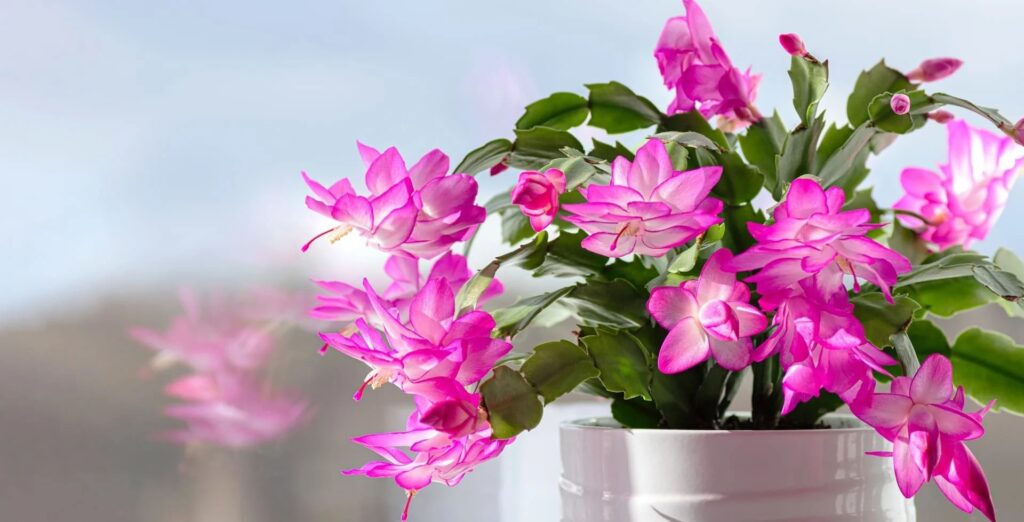
Making your Christmas Cactus bloom year after year is a rewarding blend of science, observation, and care. By understanding its tropical origins, replicating its natural light and temperature cycles, maintaining proper moisture and humidity, providing balanced nutrition, and practicing strategic pruning, you can enjoy vibrant blooms each holiday season. The secret is in respecting the plant’s natural rhythm, observing its cues, and providing a stable, nurturing environment at home. With patience and attention, your Christmas Cactus will not just survive—it will flourish, transforming your living space into a celebration of color and life every year.