
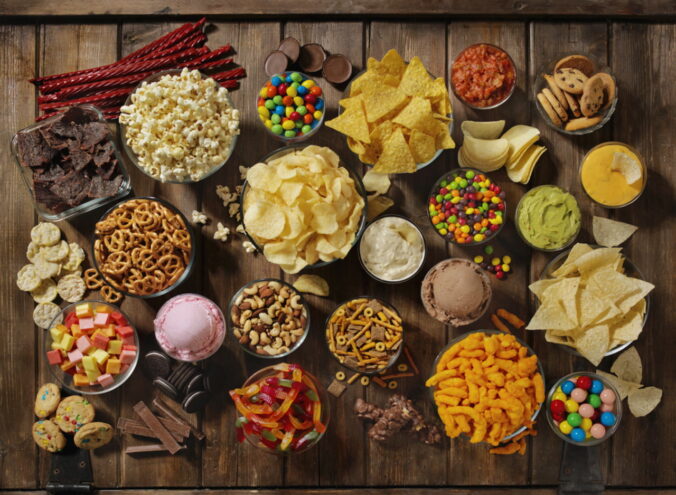
Snacking has long been a staple in human dietary patterns, but the way we snack today is dramatically different from previous eras. From simple fruit and nuts consumed by early civilizations to the highly processed, convenience-focused options that flood the modern market, snacking habits have evolved in response to cultural, technological, and economic shifts. The modern age, characterized by rapid urbanization, busy lifestyles, and technological innovation, has transformed how, when, and why people snack. Today’s snacking culture reflects broader societal changes including health consciousness, globalization, and digital influence. Understanding this evolution helps shed light on consumer behavior, public health challenges, and the future of food innovation.
The Historical Context of Snacking: From Necessity to Cultural Phenomenon
To grasp the evolution of modern snacking, it’s important to look back at its origins. Historically, snacking was less about pleasure and more about survival. Early humans often relied on opportunistic feeding—grabbing whatever was available between larger meals. This usually meant foraging for fruits, nuts, roots, or small animals. The irregularity of early food availability made snacking a vital part of energy management.
As agriculture developed, so did more structured eating patterns, but snacking remained a complementary behavior. In many ancient cultures, small portions of food consumed between meals served as a way to maintain stamina throughout the day. The concept of “snacking” as a deliberate act, often tied to social and cultural practices, began to emerge.
In medieval Europe, for example, the poor often ate multiple small meals or snacks because larger, consistent meals were a luxury. Meanwhile, in Asian cultures, tea time accompanied by small snacks like rice cakes or dried fruits became a social ritual that persists today. These examples highlight how snacking was closely intertwined with social and economic conditions. Similarly, just as a vintage barbershop offered small, comforting treats to clients while they waited, food traditions often included small bites to complement social gatherings.
The industrial revolution brought a sea change. Urbanization and factory work imposed new schedules and physical demands, creating a need for portable, quick energy sources. Snacks began to be commercialized as factory workers needed convenient food during short breaks. This era marked the beginning of packaged and processed snack foods designed for mass consumption.
Fast forward to the 20th century, the rise of supermarkets, advertising, and mass media further embedded snacking into daily life. The availability of candy bars, chips, and sodas transformed snacking into a commercial powerhouse. Snacking was no longer just about necessity—it was becoming a cultural phenomenon linked with leisure, social interaction, and even identity.
In this historical context, the modern snacking trends are the culmination of thousands of years of adaptation, shaped by technological advances and societal changes. This evolution helps explain why snacking today is both a deeply ingrained habit and a complex market driven by multifaceted consumer motivations.
The Impact of Technology and Urbanization on Modern Snacking Patterns
The modern age is defined by technology and urban living, two forces that have drastically reshaped snacking habits. The rise of smartphones, digital media, and 24/7 connectivity means people’s schedules are more fragmented and mobile than ever. In addition, urbanization has created fast-paced environments where convenience and portability in food choices reign supreme. This lifestyle even influences self-care routines, making it easier than ever to book services like eyebrow threading in Plano, TX, during a busy day.
One of the most significant impacts of technology on snacking is the shift toward on-the-go consumption. Busy professionals, students, and commuters rarely have the luxury of sitting down for traditional meals, so snacks often serve as meal replacements or energy boosters. Convenience foods—packaged nuts, granola bars, ready-to-eat fruit cups—are engineered for portability and ease.
Digital technology also influences what and how we snack through targeted advertising and social media trends. Instagrammable snacks, influencer-endorsed brands, and viral food challenges have created new snack markets and tastes that spread rapidly. The rise of e-commerce and food delivery apps means consumers can order personalized snacks at any time, further fueling impulsive and diverse snacking choices.

Urbanization also plays a key role. Living in densely populated areas often limits access to fresh foods, making processed snacks a practical option. However, urban dwellers also tend to be more health-conscious and exposed to global food cultures, which has led to greater demand for functional snacks—those marketed with added health benefits like protein boosts, probiotics, or plant-based ingredients.
Moreover, urban lifestyles have increased stress and disrupted traditional meal patterns. People often snack not only for hunger but as a coping mechanism or habit. This phenomenon is captured in studies of “mindless snacking” during work or screen time, driven by environmental cues like snack visibility or emotional states.
Technology and urbanization have also accelerated the pace of innovation in snack products. From plant-based meat snacks to fortified nutrition bars and keto-friendly chips, manufacturers are responding to consumer demands shaped by these broader societal forces. In parallel, as kitchens evolve to accommodate modern cooking trends, services like kitchen hood repair in Los Angeles have become increasingly important for maintaining safe and efficient home environments.
In summary, the convergence of technology and urban living has propelled snacking from a minor dietary addition into a major part of daily nutrition. Convenience, digital influence, and evolving lifestyle needs have crafted a new snacking landscape that’s highly dynamic, diverse, and complex.
The Role of Globalization and Cultural Exchange in Diversifying Snack Choices
Globalization has played an instrumental role in expanding and diversifying snacking habits around the world. The cross-pollination of food cultures through migration, travel, and digital connectivity has introduced consumers to an astonishing array of snack varieties beyond traditional local fare.
Ethnic snacks, once confined to specific communities or regions, are now mainstream. For example, Japanese rice crackers (senbei), Indian spiced lentil chips, Mexican elote-flavored popcorn, and Korean kimchi-flavored snacks are increasingly found on supermarket shelves worldwide. This cultural exchange has enriched the snacking landscape, providing a broader palette of flavors, ingredients, and textures.
The digital age accelerates this trend. Social media platforms, food blogs, and recipe-sharing apps enable rapid dissemination of snack trends from one part of the world to another. Viral foods like the Turkish pistachio baklava or the South American acai berry bowl become global sensations almost overnight, driving curiosity and experimentation among consumers. Even industries outside of food, such as home services like tree service in Tampa, can gain visibility quickly through similar digital trends.
Globalization also influences production techniques and ingredient sourcing. Snacks produced with global supply chains can combine ingredients from multiple continents, offering novel taste experiences. It also fosters collaborations between brands in different countries, creating hybrid snacks that fuse culinary traditions.

However, this diversity comes with challenges. Globalized snacking risks homogenization and the overshadowing of local traditions by mass-market products. Additionally, the increased availability of exotic snacks sometimes brings concerns over allergen management, authenticity, and cultural appropriation.
Nonetheless, the broadening of snacking options enriches consumer choice and inspires innovation. It also reflects a world that is more interconnected and culturally curious. Snacks today are as much a way to explore the world as they are a source of sustenance or enjoyment.
In essence, globalization has transformed snacking from a localized habit into a vibrant global phenomenon. It has expanded taste horizons and introduced new nutritional profiles, highlighting how cultural exchange can refresh and evolve our everyday food rituals.
Conclusion: Snacking as a Reflection of Societal Change and Future Directions
The evolution of snacking habits in the modern age is a fascinating mirror of broader societal shifts. From early survival necessity to a cultural ritual and now a complex interplay of convenience, health, technology, and globalization, snacking has come a long way. The modern snacker is not just motivated by hunger but by lifestyle, identity, wellness, and ethics.
Advanced technology and urbanization have made snacking faster, more varied, and more accessible than ever before. The digital era influences not only what people eat but how they discover and purchase snacks. Meanwhile, rising health awareness and sustainability concerns are driving a profound transformation in product development and consumer behavior, pushing the snack industry toward cleaner, more functional, and environmentally responsible options.
Globalization further diversifies the snacking experience, making it a vehicle for cultural exchange and culinary exploration. This dynamic evolution underscores that snacking is more than just eating between meals—it’s an expression of modern life, reflecting the values, challenges, and innovations of our time.

Looking ahead, snacking will likely continue to evolve with advances in food science, shifts in social values, and emerging technologies such as personalized nutrition and sustainable farming. The future snack may be tailored to individual health needs, produced with minimal environmental impact, and consumed in new, more interactive ways.
In conclusion, snacking is a powerful lens through which to understand how food, culture, and technology intersect. Its evolution reveals the complexities of modern life and highlights opportunities for healthier, more sustainable, and more enjoyable food experiences for consumers worldwide.