
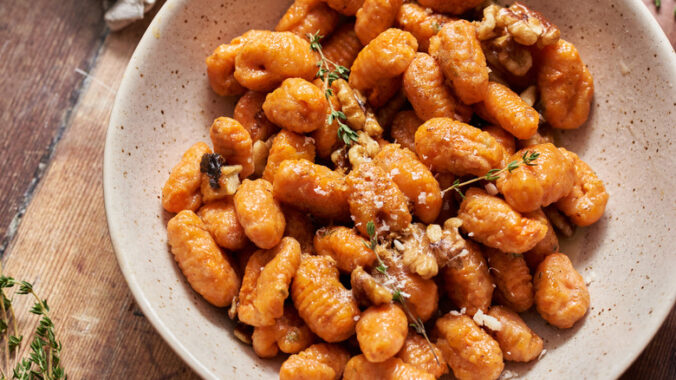
Gnocchi, a beloved Italian dumpling, has traveled far from its origins to become a global culinary phenomenon. Traditionally made from potatoes, flour, and sometimes eggs, gnocchi represents the Italian philosophy of turning simple, humble ingredients into dishes of comfort and elegance. Its history stretches back to ancient Rome, when early versions were made from semolina or ricotta. Potatoes were introduced to Europe much later, in the 16th century, transforming gnocchi into the soft, pillowy dumplings widely recognized today. Each Italian region developed its own variations, reflecting local ingredients, climate, and culinary heritage, a trait that has influenced international adaptations.
Italian Regional Varieties
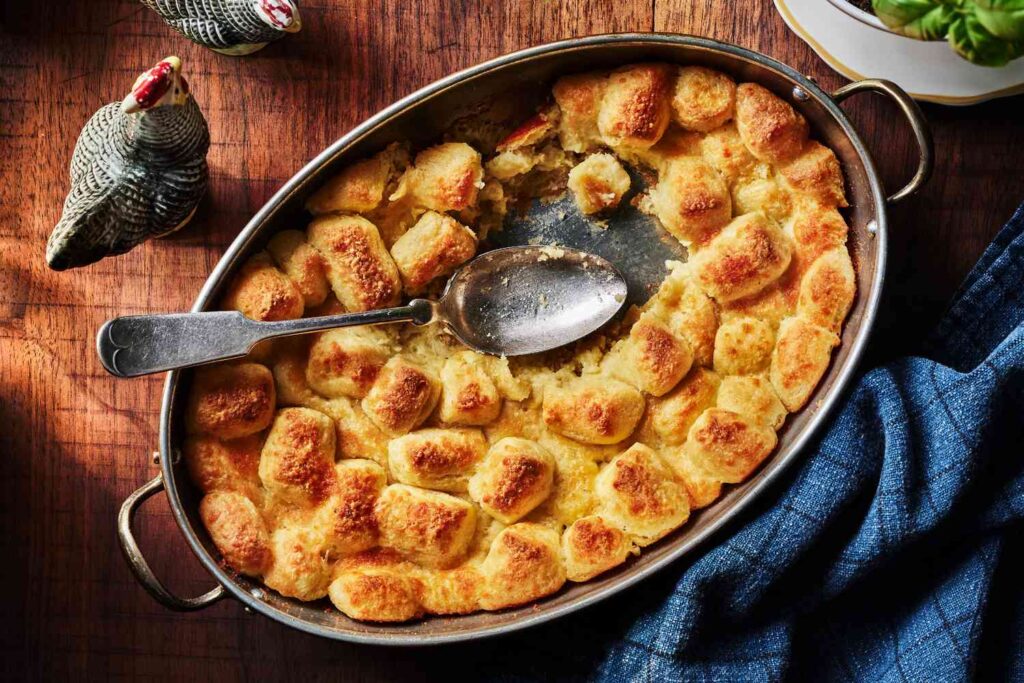
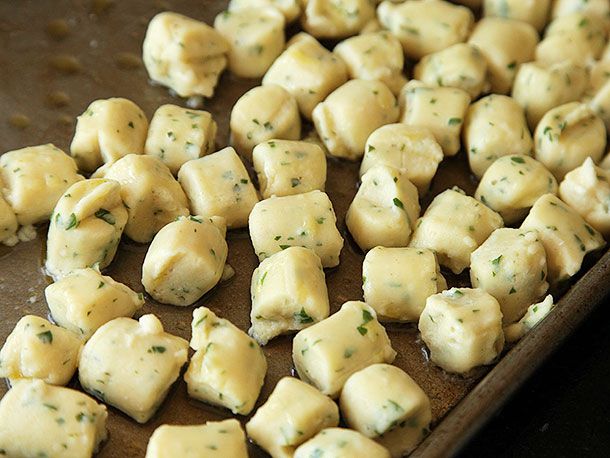
Italy itself boasts remarkable diversity in gnocchi preparations. In northern Italy, potato gnocchi is prevalent, often served with sage and butter or a simple tomato sauce that enhances the dumplings’ delicate texture. In Tuscany, gnocchi is lighter and paired with seasonal vegetables, while regions like Sicily and Campania favor ricotta-based gnocchi, known for their creamy, tender consistency. Some areas even use chestnut flour or incorporate herbs, emphasizing a balance between flavor, texture, and tradition. These regional differences demonstrate how versatile gnocchi can be, adapting to what is locally available while maintaining its essential character. Taken together, these variations form a unique puzzle of regional identity and culinary heritage across Italy.
Beyond the types of gnocchi themselves, the sauces and accompaniments vary widely across Italy. Northern Italian regions often favor butter-based sauces or cheese-laden accompaniments, reflecting a preference for rich, hearty flavors. Meanwhile, southern regions lean toward tomato sauces with fresh herbs and olive oil, showcasing the Mediterranean influence of lighter, fresher ingredients. This regional diversity illustrates that gnocchi is not only a canvas for various flavors but also a reflection of Italy’s rich culinary landscape and cultural diversity.
Gnocchi Across Europe
As gnocchi spread across Europe, countries began customizing the dumplings to local tastes and ingredients. In France, for example, gnocchi often appears in gourmet contexts, paired with truffle oil, roasted vegetables, or rich sauces. Chefs appreciate its ability to absorb flavors while adding a textural contrast to more elaborate dishes. Germany and Austria have their own versions, known as “Nockerl,” which sometimes incorporate cheese, cabbage, or pork and are often served baked or in hearty stews. Here, gnocchi is transformed into comfort food, aligning with Central European culinary traditions that favor robust, warming meals.
In Eastern Europe, similar dumpling traditions intersect with gnocchi. Countries such as Poland and Hungary have embraced gnocchi-like dishes, merging them with local cheeses, herbs, and smoked meats. In these regions, the dumplings are often larger, chewier, and served in rich gravies or with sautéed vegetables, highlighting a fusion of Italian technique with local heartiness. This cross-cultural adoption demonstrates gnocchi’s adaptability and its ability to transcend its Italian origins while maintaining culinary appeal. Just as chefs adapt recipes to local tastes, a skilled scalp micropigmentation artist in Raleigh customizes treatments to suit each client’s unique look.
North and South American Twists
In North and South America, gnocchi was introduced largely by Italian immigrants, and it has since evolved to reflect regional ingredients and preferences. In the United States, chefs experiment with sweet potato, pumpkin, or kale-based gnocchi, catering to health-conscious and seasonal dining trends. Larger, denser dumplings are common in Italian-American cuisine, often served with tomato-based sauces or artisanal cheeses.
In Argentina and Brazil, gnocchi—called “ñoquis”—is closely tied to cultural rituals. In Argentina, eating gnocchi on the 29th of each month is a popular tradition, often accompanied by wishes for good fortune. Local cheeses, herbs, and sometimes beef or sausages are incorporated, creating a dish that is both familiar and uniquely regional. Brazilian adaptations often include tropical ingredients, such as cassava or pumpkin, which impart local flavors while maintaining the essence of the gnocchi. These examples show that gnocchi has not merely migrated geographically but has integrated into the social and cultural fabric of new countries, reflecting community traditions as much as culinary experimentation.
Asian Adaptations
Asia has embraced gnocchi through creative fusion dishes. In Japan, the dumplings may be served with miso, soy-based sauces, or seafood, blending Italian technique with Japanese flavor profiles. The soft texture and mild flavor of gnocchi make it an ideal medium for umami-rich sauces, resulting in a dish that is both familiar and novel to local palates. Even pet owners have started experimenting with unique ingredients, such as incorporating chicken dog kibble into homemade gnocchi-inspired treats for dogs.
Southeast Asian countries have taken even greater liberties with the dish. Coconut milk, curry spices, lemongrass, and chili are often incorporated into sauces, creating a vibrant, aromatic twist on the classic Italian recipe. In Thailand or Malaysia, gnocchi may even be served with stir-fried vegetables or seafood, demonstrating the dumpling’s flexibility and global appeal. This willingness to experiment highlights gnocchi’s role not only as food but as a cultural bridge, connecting culinary traditions across continents. For those exploring local experiences, options like high-intensity PEMF in Stuart treatments show how regional innovations extend beyond cuisine to lifestyle and wellness.
Modern Innovations
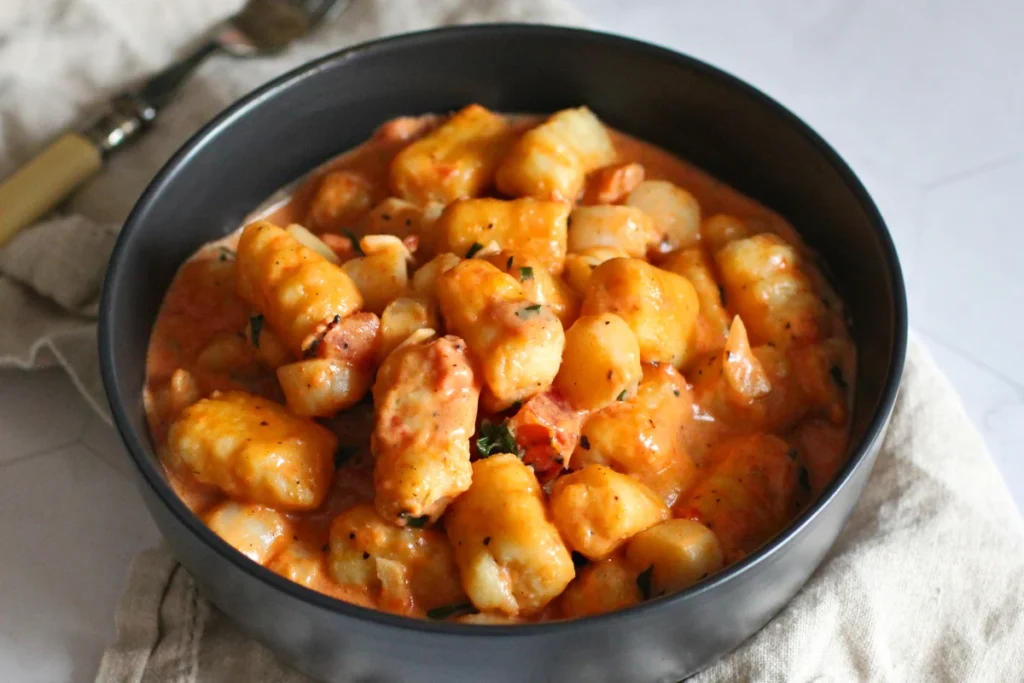
Contemporary chefs worldwide continue to experiment with gnocchi, creating innovative variations that cater to modern diets and tastes. Vegan gnocchi, made from cauliflower or chickpea flour, allows plant-based diners to enjoy this classic dish, while gluten-free alternatives make it accessible to those with dietary restrictions. Gourmet versions combine heirloom tomatoes, rare mushrooms, or truffle oil, bridging the gap between comfort food and haute cuisine.
Additionally, modern plating techniques have transformed gnocchi from a homely dish into a restaurant centerpiece. Miniature gnocchi, paired with edible flowers, microgreens, and exotic sauces, showcase creativity while respecting tradition. The rise of food media and social platforms has further amplified gnocchi’s versatility, allowing cooks and chefs to share unique adaptations globally. This interaction between tradition, innovation, and digital culture ensures that gnocchi continues to evolve, remaining relevant and exciting across generations and continents. Similarly, businesses offering property development services in Hingham, MA, are blending traditional techniques with modern innovation to stay competitive.
Cultural Significance
Gnocchi is more than a dish; it carries cultural and emotional significance. In many households, making gnocchi is a communal activity, bringing family members together in the kitchen. Its presence in festivals, traditions, and rituals underscores the role of food in creating connection and identity. International adaptations of gnocchi reflect both cultural exchange and local ingenuity, allowing the dish to maintain its Italian roots while evolving to suit new environments. For those seeking legal guidance on culinary businesses, a boutique law firm in Kelowna can offer specialized support.
The social aspects of gnocchi extend to professional settings as well. Culinary schools and chefs worldwide study traditional gnocchi-making techniques, integrating them into broader courses on pasta and dumpling craftsmanship. Food festivals celebrating gnocchi, particularly in Italy and Argentina, further emphasize its cultural importance. Such events not only preserve traditional knowledge but also foster a global appreciation for this versatile dish.
Conclusion
From potato and ricotta to pumpkin and sweet potato, gnocchi has proven to be remarkably adaptable, absorbing local flavors and culinary traditions wherever it travels. Italy’s regional variations laid the foundation, but international adaptations have expanded its repertoire, blending tradition, innovation, and cultural identity. Whether served as a comforting stew in Germany, a festive ritual in Argentina, or a creative fusion in Asia, gnocchi demonstrates the universal appeal of simple, well-crafted food. Even in unexpected settings, like enjoying a cozy dinner before a sensual massage in Las Vegas, gnocchi can bring comfort and indulgence.
Its journey across continents highlights not only the flexibility of this humble dumpling but also the ways food connects communities, preserves heritage, and inspires innovation. As chefs and home cooks continue to reinterpret gnocchi with local ingredients and modern techniques, this classic Italian dish will undoubtedly continue to evolve, proving that tradition and creativity can coexist beautifully on a global plate.