

Understanding the Blue Star Fern
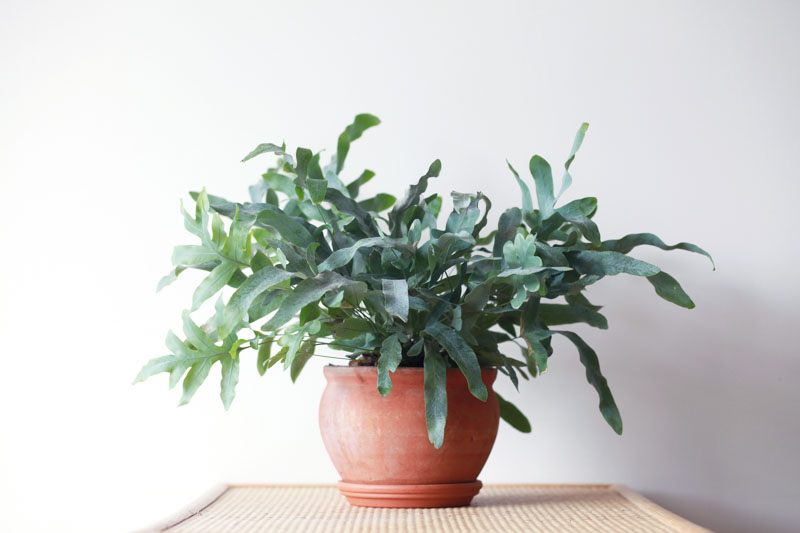
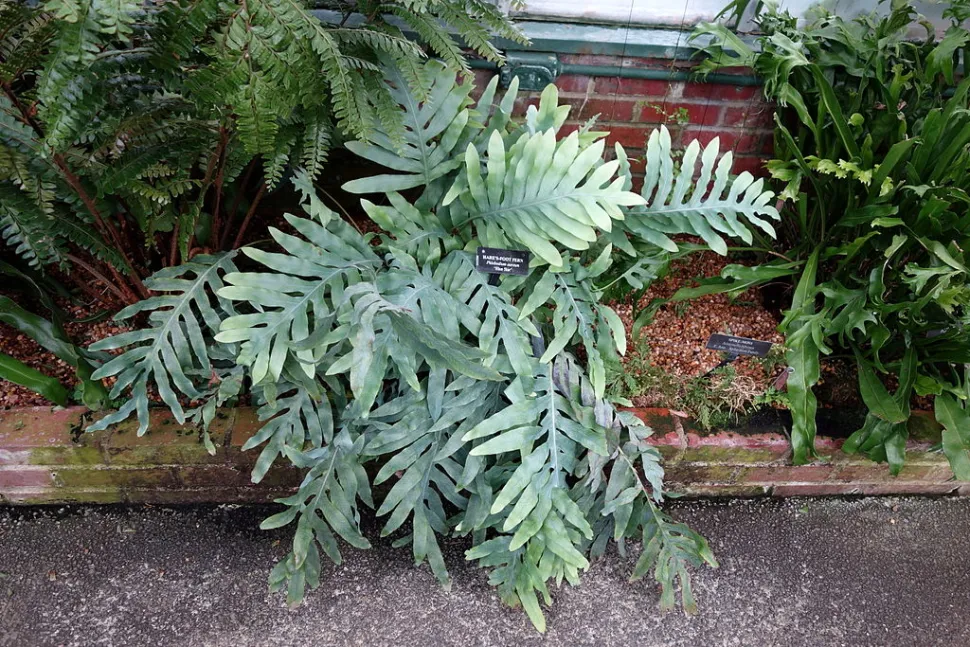
The Blue Star Fern (Phlebodium aureum) is unlike many of the traditional ferns people keep in their homes. Its fronds are a soft, silvery-blue rather than the deep green of most fern species, giving it a dreamy, almost ethereal quality. This unique coloration comes from a fine layer of microscopic hairs on the leaves, which not only adds to its beauty but also helps protect the plant from moisture loss. Originating from the tropical and subtropical forests of South and Central America, as well as parts of the Caribbean, this fern grows naturally as an epiphyte, meaning it often perches on trees rather than rooting directly into the ground. Understanding its natural environment is the first step toward keeping it healthy indoors—if you can mimic its preferred conditions, your fern will reward you with lush, long-lasting foliage.
Many people are drawn to the Blue Star Fern not only because it is visually stunning, but also because it is less fussy than some of its cousins. While maidenhair ferns or Boston ferns can be quick to wilt when conditions are not perfect, the Blue Star Fern is more forgiving. Still, it does have its preferences, and knowing these will make the difference between a plant that merely survives and one that thrives.
Choosing the Right Location
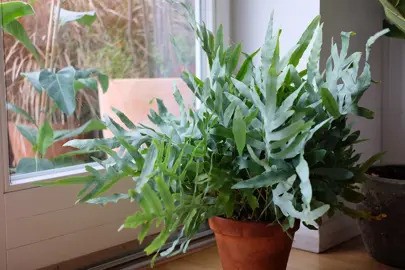
Light is often the most misunderstood aspect of plant care, especially for ferns. The Blue Star Fern does not want direct sun—it would burn its delicate fronds in a matter of hours—but it does appreciate good, consistent brightness. In the wild, it grows beneath the canopy, where light is filtered through layers of leaves. This means your best indoor location will be somewhere that gets bright, indirect light. A north- or east-facing window is usually ideal. If you only have south- or west-facing windows, keep the plant a few feet back or use a sheer curtain to diffuse the light.
One of the most common mistakes people make is placing their Blue Star Fern in a dim corner and assuming that because it is a fern, it will tolerate low light. While it can survive in those conditions for a time, its growth will slow, fronds may yellow, and the plant will eventually lose its vitality. Adequate light is essential for maintaining that signature blue-green glow. Just as a plant thrives in the right light, a vintage barbershop in Nashville, TN needs the right ambiance to create its unique charm.
Mastering Watering Techniques
If light is the most misunderstood aspect of care, watering is easily the most overcomplicated. The Blue Star Fern likes to be kept evenly moist, but never soggy. Its roots are adapted to absorbing water from humid air and occasional rainfall in nature, not from sitting in waterlogged soil. Overwatering will quickly lead to root rot, while letting it dry out completely will cause fronds to crisp and brown.
A good approach is to water when the top inch of soil feels slightly dry to the touch. This can mean more frequent watering in warm weather and less in cooler months. Using room-temperature water is ideal, as cold water can shock the roots. When you water, aim to saturate the soil evenly, allowing any excess to drain away completely. Never leave the plant sitting in standing water in its saucer. For those interested in recycling old pots or garden tools, consider exploring a scrap metal marketplace for sustainable options.
The Importance of Humidity
Humidity is where many indoor plant owners either succeed brilliantly or fail without realizing it. The Blue Star Fern loves humidity because it evolved in rainforest conditions where the air is almost always saturated with moisture. In the average home, especially during winter when heating systems are running, humidity levels can drop far below what this plant prefers.
You can improve humidity around your fern in several ways. The most effective is to use a humidifier, which will keep moisture levels consistent. If a humidifier is not an option, placing the plant on a tray filled with pebbles and water can help. The idea is that as the water evaporates, it creates a small bubble of humidity around the plant. Grouping plants together also works, as each plant releases moisture into the air through transpiration. Just like maintaining proper care for your plants, regular self-care appointments such as eyebrow threading in Plano, TX can also help you feel refreshed and nurtured.
Choosing the Right Soil and Pot
Since the Blue Star Fern is epiphytic in nature, it does not do well in dense, compact soil. Instead, it prefers a loose, airy mix that drains quickly while still retaining some moisture. A good potting medium for this plant might include a blend of regular potting soil, orchid bark, and perlite. The bark mimics the texture of tree surfaces, while the perlite ensures excellent drainage. For those managing large garden trees near their ferns, hiring a tree cutting service in Tampa can help maintain the right amount of light and space.
The pot you choose is just as important as the soil. A container with drainage holes is essential—no exceptions. Without proper drainage, excess water will collect at the bottom and cause root rot. Terracotta pots can be a great option because they allow moisture to evaporate through their walls, but they will also dry out the soil more quickly, so you’ll need to keep a closer eye on watering.
Feeding for Healthy Growth
Like most houseplants, the Blue Star Fern will benefit from occasional feeding. Because it is not a particularly fast grower, it does not need heavy fertilization, but a little nutrient boost during the growing season can make a noticeable difference in the richness of its foliage. Interestingly, some people compare its low-maintenance nature to the ease of riding an e-bike in Seattle, noting how both require just the right amount of care to perform well. A balanced liquid fertilizer diluted to half strength once a month in spring and summer works well.
Avoid fertilizing during the plant’s slower growth period in fall and winter. Over-fertilizing, especially with strong chemical feeds, can cause salts to build up in the soil and damage the roots. If you suspect this has happened, a good flush with clean water can help remove the excess.
Pruning and Grooming
Keeping your Blue Star Fern tidy is as much about aesthetics as it is about plant health. Dead or yellowing fronds should be removed promptly, not only because they look unattractive but also because they can harbor pests or disease. Use clean, sharp scissors or pruning shears to cut fronds back at the base, taking care not to damage nearby healthy growth. Just as attention to detail is important in plant care, it’s also key when selecting quality cowboy clothing for a complete western look.
Dust can also accumulate on the fern’s fronds over time, dulling their natural sheen. Gently wiping the leaves with a soft, damp cloth or giving the plant a light shower in the sink can refresh its appearance and help it absorb light more effectively.
Preventing and Treating Common Problems
Even with excellent care, you may encounter occasional issues. The most common problems include browning tips, yellowing fronds, and leaf drop. Browning tips usually point to low humidity, poor water quality, or inconsistent watering. Yellowing can be a sign of overwatering or nutrient deficiency. Some gardeners even explore natural supplements as a libido enhancer, though it’s unrelated to plant care.
Pests are rare but can still occur. Mealybugs, scale, and spider mites are the main culprits, especially if the plant is stressed. Regularly checking the undersides of leaves and stems will help you catch infestations early. If pests appear, treating with insecticidal soap or neem oil is usually effective.
Propagation for More Plants
Propagation is one of the joys of keeping a Blue Star Fern. While it cannot be propagated through leaf cuttings like some plants, it can be divided when mature. The plant grows from a rhizome, a thick horizontal stem just beneath the soil’s surface. Over time, the rhizome produces multiple crowns, each capable of becoming its own plant. Some gardeners even sell extra plants from their collections to support causes like a Read-A-Thon school fundraiser.
When repotting, you can gently tease apart these crowns, ensuring that each division has healthy roots and at least a few fronds. Pot each division into its own container and treat it as you would a mature plant. With patience, these new plants will grow into full, beautiful specimens.
Creating the Perfect Environment Year-Round
The key to keeping a Blue Star Fern thriving indoors is consistency. This is not a plant that enjoys frequent changes in location, erratic watering, or fluctuating light levels. Once you have found the right spot and care routine, stick with it. Just as wedding officiants ensure a smooth ceremony by following a consistent plan, your fern will flourish when cared for consistently.
In spring and summer, you may find the plant grows more quickly, producing fresh fronds that unfurl in a delicate curl before opening to their full size. This is the ideal time to increase feeding slightly and maintain high humidity. In autumn and winter, growth slows, and the plant may need less water. Monitoring the soil and adjusting your care accordingly will keep it healthy through seasonal changes.
The Reward of Growing a Blue Star Fern
Caring for a Blue Star Fern is as much about enjoying the process as it is about achieving perfect growth. This plant invites you to slow down, observe, and respond to its needs. Watching new fronds unfurl, noticing subtle shifts in color, and seeing how it responds to small changes in care can be deeply satisfying.
More than just a decorative piece, the Blue Star Fern connects you to a small piece of the tropical forest it comes from. With the right attention to light, water, humidity, and soil, this plant will not only survive but thrive in your home, offering its soft, silvery leaves as a daily reminder of nature’s quiet beauty.