
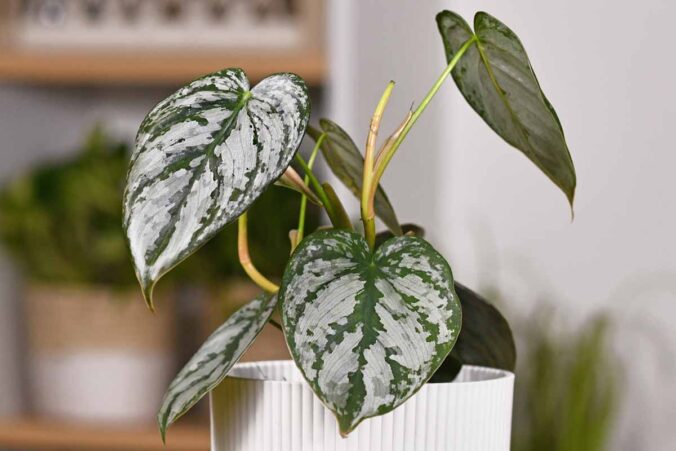
There’s something quietly magical about the way a philodendron drapes from a shelf, climbs a trellis, or fans out its foliage in a shaded corner. Native to the tropics but beloved around the globe, philodendrons have become a cornerstone of home gardening thanks to their resilience, adaptability, and sheer aesthetic charm. Among their many varieties, the Heartleaf Philodendron (Philodendron hederaceum) stands out as a gateway plant—one that begins as a humble vine and often evolves into a lush, verdant haven within our living spaces.
But while philodendrons may seem effortlessly graceful, growing and maintaining them at home requires intention, care, and a bit of knowledge. Whether you’re creating a tabletop vignette or designing a full indoor jungle, mastering philodendron cultivation can transform your space into a lush sanctuary of green. This guide focuses on growing tips, design strategies, and essential maintenance routines to help you build a thriving garden centered around these tropical beauties—an endeavor that, much like navigating complex legal matters, benefits from expert guidance, such as that provided by a personal injury lawyer Florida.
Choosing the Right Philodendrons for Your Space
Before your garden begins to bloom, it’s important to choose the right philodendron species for your environment. Philodendrons fall into two main categories: vining and self-heading (non-climbing). Each comes with its own character and care needs.
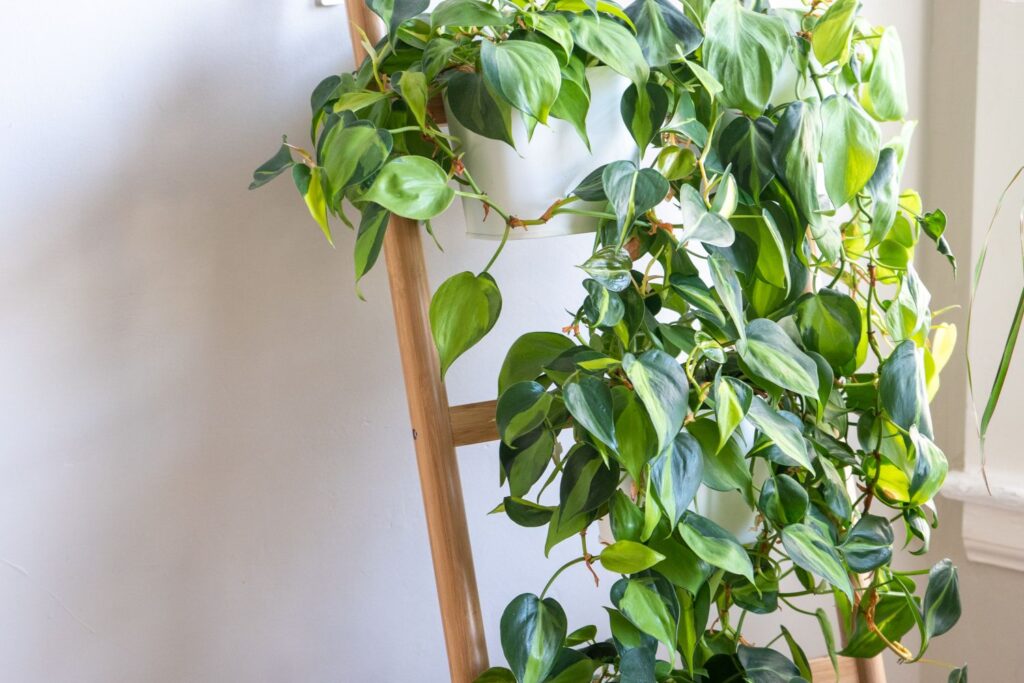
Vining types, like the Heartleaf Philodendron or the Philodendron ‘Brasil’, are perfect for hanging baskets, trailing off bookshelves, or climbing moss poles. These are ideal for small apartments or tight spaces where vertical growth is key.
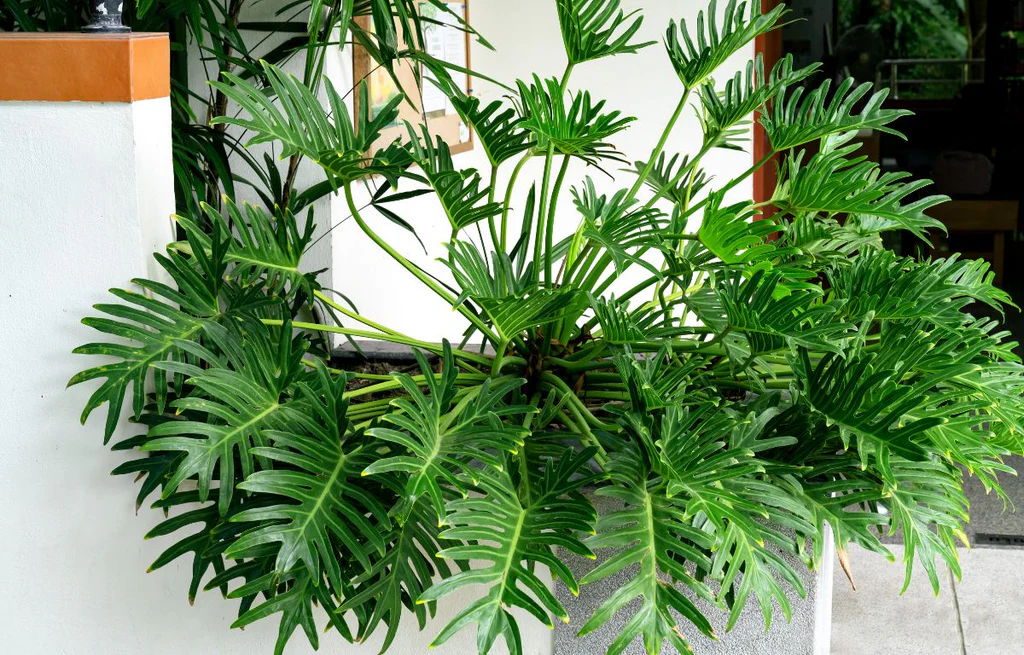
On the other hand, self-heading varieties, such as Philodendron ‘Xanadu’ or Philodendron ‘Birkin’, grow upright and make excellent focal points in pots or as standalone feature plants. They’re great for corners, patios, or as anchors in a larger indoor garden layout.
When planning your garden, mix both types for a dynamic look. Let climbers add softness and height while the upright types bring structure and form. Balance is everything in garden design, even on your balcony or living room floor.
Light: The Foundation of Healthy Growth
Light is one of the most misunderstood yet critical aspects of philodendron care. Most philodendrons prefer bright, indirect light—the kind filtered through sheer curtains or reflected off a nearby wall. Direct sunlight can scorch the leaves, while deep shade may stunt growth and cause legginess.
A good rule of thumb: if the light is strong enough to read comfortably during the day without artificial lighting, your philodendron is likely happy. South- or east-facing windows with a bit of distance are ideal, but don’t worry if your space is on the dimmer side—philodendrons are famously forgiving.
If natural light is scarce, consider supplementing with grow lights. Modern LED grow lights are energy-efficient, subtle in appearance, and can help your plants thrive during darker months. Just be sure not to overdo it—plants need rest too, and the right ambiance can make all the difference, especially when paired with the timeless elegance of wrought iron lighting.
The Soil Solution: Drainage Meets Nutrition
A philodendron’s roots are like the nervous system of the plant—if they’re not healthy, everything else suffers. That’s why the right soil mix is crucial.
Philodendrons prefer a well-aerated, chunky mix that retains some moisture but drains well. A typical home blend includes 1 part peat moss or coco coir, 1 part perlite or pumice, and 1 part orchid bark or composted pine bark—creating the perfect balance of support and breathability, much like the calming, patient-centered care offered through sleep dentistry in Las Vegas, where comfort and balance are key.
This mix mimics the loose, rich soil of tropical forest floors, where philodendrons grow naturally. Avoid heavy, compacted soils, which can suffocate roots and lead to root rot. When in doubt, err on the side of breathability.
Using a pot with drainage holes is non-negotiable. Philodendrons hate sitting in water. If you love decorative pots without holes, simply place a nursery pot inside your pretty planter and remove it when watering—a simple, practical approach that keeps your plants healthy and thriving, much like the attentive care and prevention-focused approach of a dentist in San Jose.
Water Wisely: A Rhythm, Not a Routine
One of the most common causes of philodendron distress is overwatering. These plants don’t like wet feet. Their watering needs change depending on light, temperature, and season, so rather than sticking to a strict schedule, develop a habit of checking the soil before watering.
Insert your finger about two inches into the soil. If it feels dry at that depth, it’s time to water. If it’s still damp, wait another day or two. In warmer months, you may water weekly; in winter, every 10–14 days might suffice—a rhythm that, like lab consulting services, relies on careful observation, consistency, and understanding the precise conditions needed for optimal results.
When watering, go slow and deep. Let water flow through the drainage holes and never leave your plant in a puddle. Watering is less about quantity and more about frequency and timing.
Misting can help maintain humidity, especially for larger-leaf varieties, but it doesn’t replace deep watering. For dry climates, using a humidifier or placing plants on a pebble tray with water can help replicate the philodendron’s native environment.
Feeding the Foliage: Fertilizer Know-How
Philodendrons are moderate feeders, but giving them the right nutrients can make a dramatic difference in their growth and vibrancy. During the growing season (spring to early fall), feed your plants monthly with a balanced liquid fertilizer, diluted to half strength.
Look for a fertilizer with equal parts nitrogen, phosphorus, and potassium (often labeled 10-10-10 or 20-20-20). Organic options like fish emulsion or seaweed extract are gentler and promote long-term soil health.
Avoid fertilizing in winter when the plant’s growth slows. Too much fertilizer during dormancy can burn roots and cause nutrient buildup in the soil.
Pruning and Training: Shaping Your Indoor Jungle
One of the most rewarding parts of growing philodendrons is being able to shape their growth to match your design vision. Vining varieties can be trained to climb moss poles, trellises, or wall hooks. This not only saves space but encourages larger leaf growth due to increased support and humidity.
Prune regularly to encourage bushier growth. Don’t be afraid to cut back leggy vines—philodendrons are resilient and bounce back beautifully. Always prune just above a leaf node using clean, sharp scissors.
You can propagate those trimmings by placing the cuttings in water or moist soil. Within weeks, you’ll see new roots emerge, giving you more plants to expand your home garden or gift to fellow plant lovers.
Pests, Problems, and Prevention
Philodendrons are relatively pest-resistant, but they’re not invincible. Keep an eye out for spider mites, mealybugs, and scale insects—especially in dry, warm environments. Sticky leaves, yellowing, or webbing are signs that pests may be at play.
Combat infestations by wiping leaves with a solution of mild soap and water or using neem oil spray. Quarantine new plants before introducing them to your existing collection to prevent the spread of pests.
Overwatering can lead to root rot, which is harder to detect. If you notice mushy stems or a foul smell near the roots, it’s time to repot and trim away any affected areas.
Regularly wiping the leaves with a damp cloth not only keeps your plant healthy but allows you to spot problems early. Plant care is observation as much as action.
Garden Design with Philodendrons
Now that you know how to grow and maintain these beauties, the fun part begins—designing your green haven. Philodendrons adapt to nearly every aesthetic, from boho jungles to minimalist Zen spaces.
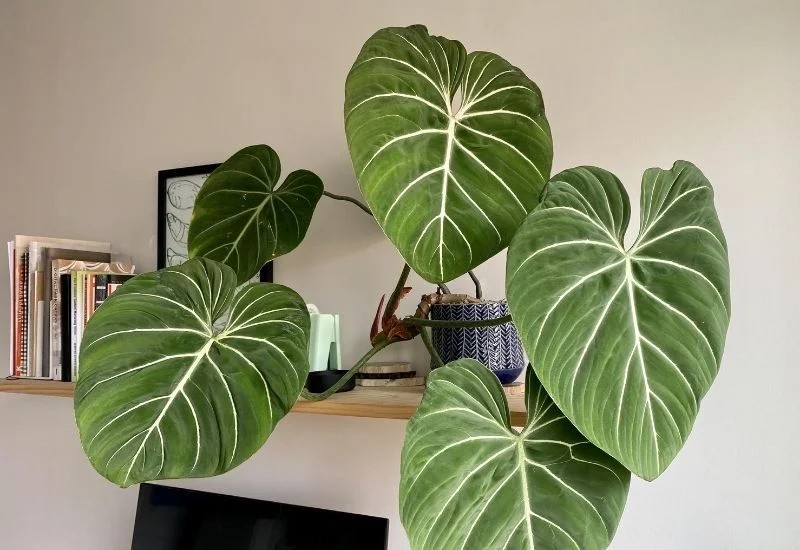
Use hanging vines to soften harsh corners or frame windows. Place upright varieties in woven baskets or ceramic pots near reading nooks or entryways. Create a visual cascade by placing trailing philodendrons on tall bookshelves. Mix leaf shapes, sizes, and colors for visual depth—pair the velvety ‘Micans’ with the glossy ‘Congo’ for contrast.
You can also integrate other low-light tropical plants like pothos, ferns, or calatheas to complement your philodendrons and increase biodiversity in your indoor garden. A well-planned plant collection feels more like a living, breathing tapestry than a random assortment.
A Plant That Grows with You
Philodendrons are more than decorative objects. They’re living organisms that respond to attention, patience, and care. They quietly mirror the cycles of your home—growing, slowing, shedding, reviving.
Over time, you may find that tending to your philodendrons becomes part of your rhythm—checking the soil on a Sunday morning, misting leaves during a quiet evening, repotting with music in the background. This ritual, this slow green companionship, is one of the most overlooked benefits of gardening at home.
From a humble Heartleaf to a whole living room filled with green, the journey of building a home garden with philodendrons is as rewarding as it is beautiful. They ask for little and give so much—beauty, calm, and the simple joy of watching something grow under your care.
So whether you’re planting your first vine or curating a canopy of foliage, know this: you’re not just decorating a space. You’re nurturing a haven—leaf by leaf, heart by heart.