
If you’ve ever been captivated by the delicate beauty of plants that seem to float effortlessly in the air, chances are you’ve encountered Tillandsia, more commonly known as air plants. These intriguing botanical wonders defy traditional gardening norms by thriving completely without soil. Their ability to flourish suspended on driftwood, nestled in seashells, or even hanging in glass globes has made them a favorite among plant lovers, interior decorators, and anyone craving a touch of green in small spaces. With their minimal care requirements and unique charm, Tillandsia plants bring a refreshing twist to indoor gardening that continues to grow in popularity worldwide.
But how exactly do Tillandsia plants manage to live without the earth beneath their roots? And what does it take to cultivate these resilient air plants successfully in your home? Let’s dive into the fascinating world of Tillandsia, exploring their biology, care needs, and the magic behind their soil-free lifestyle.
What Makes Tillandsia So Unique?
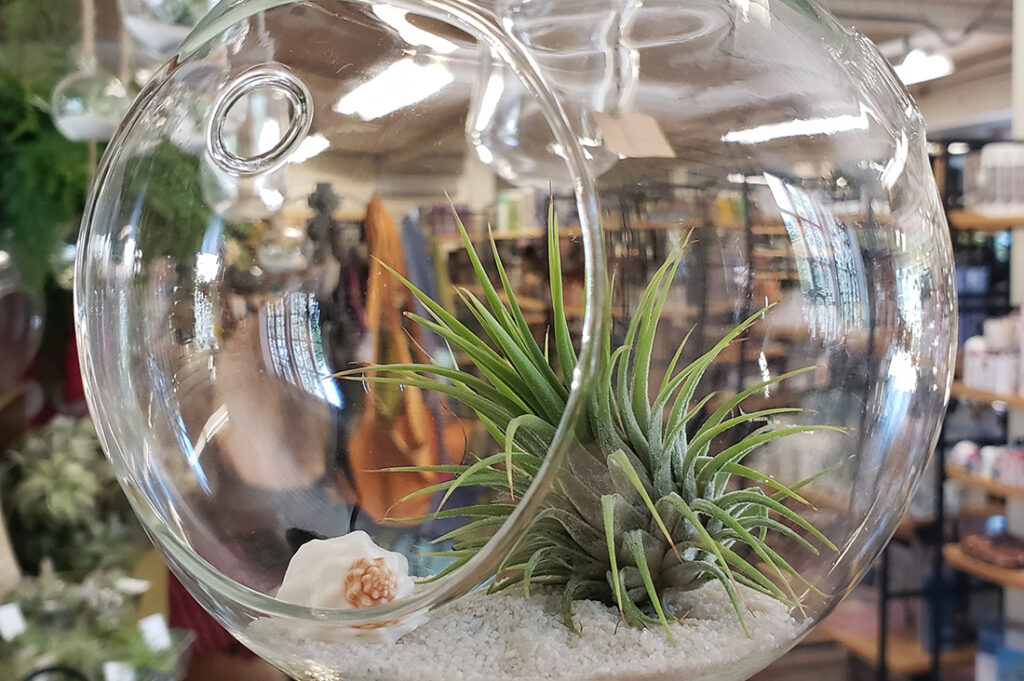
At first glance, Tillandsia may look like delicate, otherworldly plants. They belong to the bromeliad family, which includes everything from the vibrant pineapple to colorful tropical ornamentals. What sets Tillandsia apart is their remarkable adaptation to absorb moisture and nutrients directly from the air, a trait that earns them their nickname, air plants.
Unlike most plants, Tillandsia do not rely on soil to anchor them or to provide nourishment. Instead, they use specialized structures called trichomes—tiny, hair-like cells covering their leaves—to catch water droplets, dust, and nutrients floating in the atmosphere. This adaptation allows them to live epiphytically, meaning they grow on other plants or objects for support without harming their hosts.
In their natural habitats, which range from humid rainforests to arid deserts, Tillandsia cling to tree branches, rocks, or even power lines. Their versatility and resilience are truly impressive, and these traits translate well when grown indoors.
How Tillandsia Absorbs Water and Nutrients
The secret to Tillandsia’s survival lies in their trichomes, which act like microscopic sponges. When water droplets settle on the plant’s leaves, these trichomes rapidly absorb and channel moisture directly into the plant’s tissues. This process compensates for the lack of roots in soil and allows the plant to survive in environments where water availability fluctuates.
Trichomes also protect Tillandsia from excessive sun exposure by reflecting harsh light, preventing dehydration. This explains why many air plants have a silvery or grayish sheen, which can vary depending on the species and environmental conditions.
Additionally, Tillandsia can absorb nutrients from airborne dust, decaying leaves, and organic debris. While they don’t require fertilizer in the same way traditional potted plants do, occasional feeding with a diluted, bromeliad-specific fertilizer can boost their growth and vibrancy, especially indoors.
Setting Up the Perfect Home Environment for Your Tillandsia
Although Tillandsia are famously low-maintenance, thriving without soil doesn’t mean they can thrive without care. To cultivate these plants successfully at home, you need to recreate, as much as possible, their natural conditions.
Light is one of the most critical factors. Air plants prefer bright, indirect sunlight. A spot near a north or east-facing window is ideal. Direct afternoon sun can be too intense and scorch their delicate leaves, while too little light will stunt their growth and dull their vibrant colors.
Air circulation is another essential element. Since these plants absorb moisture from the air, stagnant or overly humid environments can lead to rot or fungal issues. Placing them in well-ventilated rooms and occasionally rotating their display locations can keep the air fresh around them.
Watering is often where new Tillandsia owners struggle. Because they don’t grow in soil, air plants cannot retain moisture on their own. Instead, you’ll need to hydrate them regularly. The most common method is soaking the plant in room-temperature water for about 20 to 30 minutes once a week. After soaking, it’s crucial to shake off excess water and let the plant dry completely before returning it to its display to prevent rot.
In particularly dry indoor environments or during hot seasons, a light misting between soakings can help maintain moisture levels. However, avoid overwatering—more water doesn’t mean healthier plants. Overly soggy air plants can develop root rot or fungal infections, which are often fatal.
Creative Ways to Display Tillandsia at Home
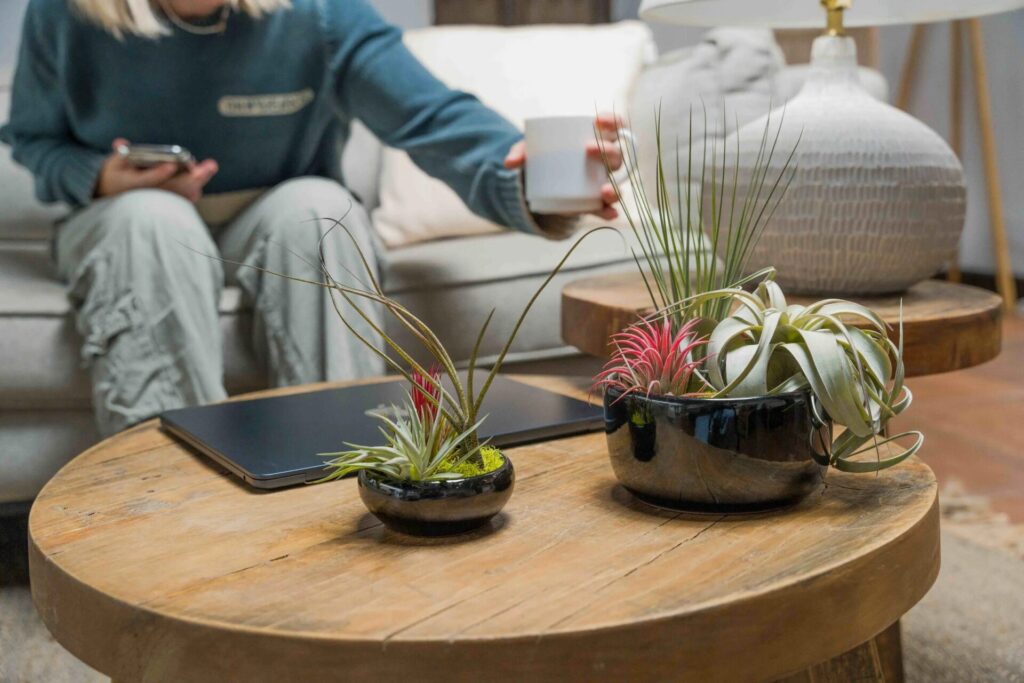
One of the most enchanting aspects of air plants is their adaptability when it comes to presentation. Because they don’t require soil, Tillandsia can be displayed in countless imaginative ways, adding a modern, artistic flair to your home decor.
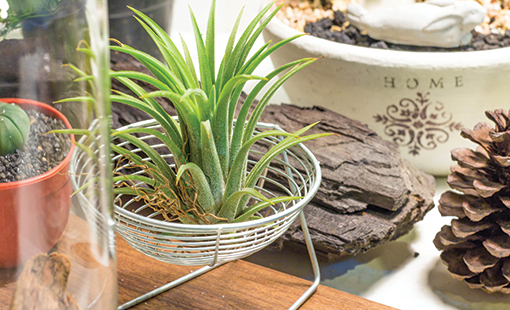
Many enthusiasts use driftwood or twisted branches as natural mounts, allowing the plants to perch gracefully. Seashells, glass terrariums, and even geometric metal frames have become popular vessels, creating living art pieces that fit perfectly on desks, shelves, or hanging installations.
Tillandsia also lend themselves to vertical gardens or wall-mounted displays, which can turn a dull wall into a lush green masterpiece. Their light weight means they can be attached with glue or wire, but be careful to avoid damaging the leaves.
By rotating the plants occasionally and paying attention to their watering needs, you can create a dynamic green space that feels alive and ever-changing.
Troubleshooting Common Tillandsia Problems at Home
While Tillandsia are relatively easy to grow, they are not invincible. Recognizing signs of distress early can save your air plants from harm.
If your Tillandsia’s leaves start turning brown and crispy, this often indicates underwatering or excessive direct sunlight. Increasing watering frequency or moving them to a less intense light area usually helps.
Conversely, soft, mushy leaves typically signal overwatering or poor air circulation. In this case, reduce watering, ensure the plants dry thoroughly, and improve ventilation around them.
A grayish or dusty appearance is normal for many species, but if the plant looks dull or discolored, it might need more light or nutrients. Feeding once a month with a diluted fertilizer designed for bromeliads or air plants can restore vigor.
Lastly, keep an eye out for pests like mealybugs or scale insects, though these are rare in indoor environments. Wiping leaves gently with a damp cloth or using an insecticidal soap can keep infestations in check.
Why Tillandsia Are Perfect for Modern Living Spaces
Tillandsia’s combination of low maintenance, aesthetic versatility, and natural elegance makes them a perfect fit for contemporary homes. Their ability to thrive without soil means they can inhabit spaces traditional plants cannot, such as offices with little floor space, bathrooms with high humidity, or minimalist apartments where clutter is a concern.
Moreover, they appeal to a growing generation of plant lovers who seek unique greenery that blends seamlessly with modern design trends. Whether displayed in glass globes that look like floating planets or nestled in handcrafted wood sculptures, air plants add a touch of nature’s whimsy to any room.
Their resilience also makes them excellent for beginners or those who travel frequently. As long as you maintain a basic watering schedule and provide the right light, your Tillandsia will flourish and bring a sense of calm and vitality to your home environment.
Conclusion: Embracing the Soil-Free Wonder of Tillandsia
The allure of Tillandsia lies not only in their ethereal beauty but also in their remarkable ability to survive and thrive without soil. These air plants teach us that nature often finds ingenious solutions to thrive in unlikely places, inspiring gardeners and decorators alike.
By understanding their unique biology, catering to their specific light, water, and air needs, and letting creativity guide their display, you can cultivate Tillandsia as living art pieces that enliven your home. Whether you are a seasoned plant parent or a curious beginner, embracing the soil-free wonder of Tillandsia invites a fresh perspective on what it means to grow and nurture life indoors.
So go ahead—bring home a Tillandsia, watch it flourish in your care, and let this remarkable air plant become a quiet, thriving presence in your daily life.