

In an age where the boundaries between the outdoors and indoors are blurring, houseplants have emerged not just as decorative flourishes, but as emotional anchors in our daily spaces. One plant that stands tall—sometimes literally—among indoor greenery is the Ficus microcarpa, a species that marries elegance with environmental function. With its lush foliage, sculptural trunk, and undeniable air-purifying prowess, this plant has rightfully earned its spot as a staple in interior landscaping. But what truly elevates the Ficus microcarpa to the status of ultimate indoor plant is its rare balance: it’s as practical as it is beautiful.
A Living Sculpture for the Modern Home
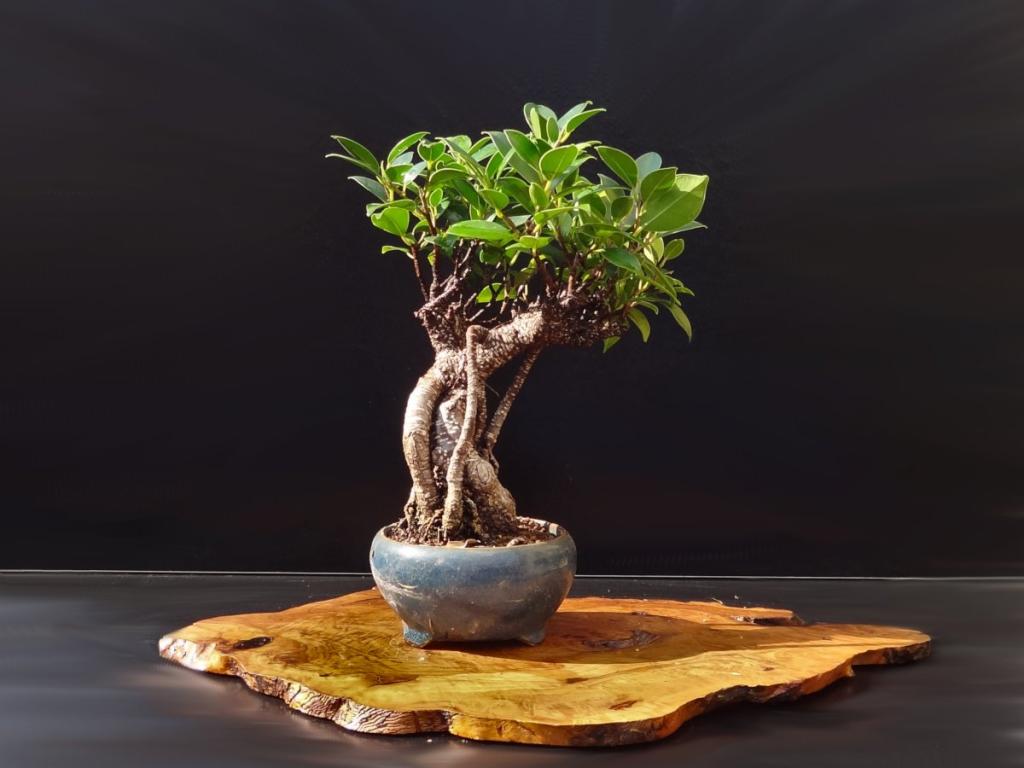
Walk into any well-styled modern apartment, cozy boho studio, or minimalist office and you might find a Ficus microcarpa standing confidently in a corner, silently tying the room together. Its compact canopy of glossy, deep green leaves adds instant life to a space, while its thick, sometimes braided or gnarled trunk offers the kind of visual texture you’d expect from a living sculpture.
This tree’s form isn’t just naturally pleasing—it’s also remarkably adaptive. Whether trained as a bonsai or allowed to grow freely into a small indoor tree, Ficus microcarpa adapts to your vision of indoor serenity. Its refined look doesn’t scream for attention, but rather whispers harmony, making it a perfect backdrop to both quiet living rooms and bustling co-working spaces.
The visual appeal is undeniable, but what sets this plant apart is how seamlessly it becomes part of your environment. It doesn’t dominate; it integrates. It doesn’t just look good; it feels right.
A Natural Air Filter With Style
Many indoor plants have been praised for their ability to purify air, but Ficus microcarpa ranks among the best. While studies—such as those popularized by NASA—have shown that many houseplants can reduce certain indoor air pollutants, not all plants clean the air equally. Ficus microcarpa excels at filtering toxins such as formaldehyde, benzene, and trichloroethylene—common compounds found in household materials, furniture, and cleaning products.
Beyond filtering specific chemicals, this plant contributes to overall indoor humidity by releasing moisture during transpiration. This subtle hydration can make a noticeable difference in dry indoor environments, improving skin comfort, easing respiratory discomfort, and even helping to preserve wooden furniture and floors.
What makes this feature extraordinary is how unobtrusive and beautiful it is in delivering these benefits. Unlike bulky air purifiers that hum in the background and need regular maintenance, Ficus microcarpa simply sits in quiet grace, doing its job without fanfare. It’s low-maintenance wellness dressed in leaves and roots.
Low Maintenance, High Reward
Ask any experienced indoor gardener, and they’ll tell you: beauty without fuss is a rare gift in the plant world. Ficus microcarpa offers just that. While some houseplants demand delicate light exposure, constant misting, or near-daily attention, this plant is resilient and forgiving.
Place it in bright, indirect light and it will thrive. Forget to water it for a few days? It won’t panic. In fact, overwatering is more likely to harm it than neglect. Its drought tolerance, moderate feeding requirements, and robust immune system make it ideal for busy lifestyles or new plant owners.
Even when it encounters pests like mealybugs or spider mites, the Ficus microcarpa tends to recover well with basic care. A simple wipe of neem oil or a gentle insecticidal soap rinse is often all it takes. The plant’s inherent strength and slow, stable growth rate allow you to enjoy it for years, even decades, with minimal intervention.
Feng Shui and Emotional Wellness
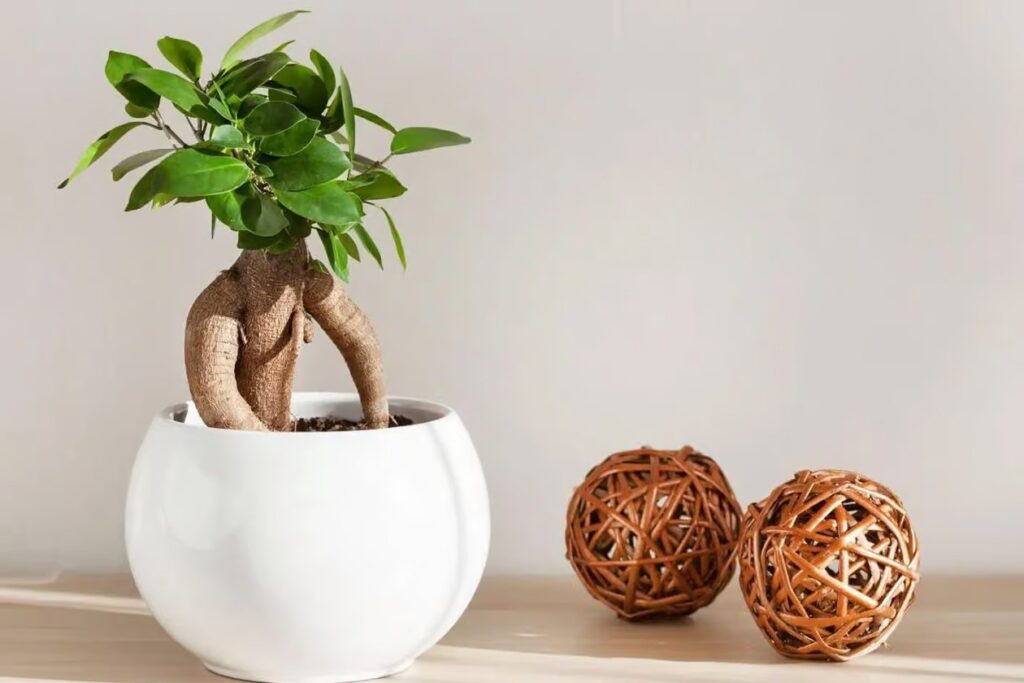
While science backs the plant’s air-purifying properties, many cultures celebrate Ficus microcarpa for more spiritual reasons. In Feng Shui, this plant is associated with prosperity, vitality, and harmony. Its rounded leaves are seen as symbols of wealth, while its rooted and stable form suggests grounding energy—especially helpful in chaotic modern households or high-pressure workspaces.
People don’t just bring home plants for aesthetics or oxygen—they bring them home for emotional resonance. The act of caring for something alive, watching it grow, and learning its language offers a daily ritual of mindfulness. With Ficus microcarpa, that experience is particularly satisfying because the plant responds so visibly to care. A few days after repotting or moving it to better light, new leaves appear. Trim a branch and it rewards you with neat, compact regrowth.
That emotional reward loop can subtly but powerfully contribute to a more peaceful life. Whether you’re battling digital overload, urban stress, or simply seeking to create a sanctuary at home, the Ficus microcarpa answers with presence, growth, and calm. Just as nurturing a plant can bring clarity and calm to daily life, staying informed about online threats helps maintain digital peace, which is why many turn to a reliable cybersecurity newsletter.
Versatility in Interior Design
From industrial lofts to rustic cottages, the Ficus microcarpa has an almost magical ability to match diverse aesthetics. Its neutral green leaves and earth-toned bark act like a stylist’s dream—complementing bold wallpaper, blending into Scandinavian minimalism, or softening the edges of a sharp, modernist space.
Interior designers love using this plant as a natural divider in open floor plans, an organic anchor for reading corners, or a soft green touch in sterile office environments. Because it can be grown in a variety of container styles—sleek matte ceramics, textured terracotta, or vintage wooden planters—it’s easy to personalize the look.
Its size flexibility also gives you options. Keep it small for shelf-top elegance, mid-sized for coffee table chic, or let it rise toward the ceiling for a dramatic vertical feature. Regardless of scale, it always manages to look intentional, clean, and alive. This adaptability and thoughtful design reflect how skilled professionals tailor their solutions to each situation, much like homeowners rely on a trusted electrician in Detroit for precise, customized work.
Sustainability in a Pot
As sustainability becomes more than just a trend and evolves into a lifestyle necessity, choosing plants that align with eco-conscious living is a meaningful step. Ficus microcarpa, by its nature, contributes to that vision. It doesn’t require plastic filters or electricity like mechanical air purifiers. It doesn’t demand exotic fertilizers or hard-to-source materials.
Additionally, it is a long-living plant, meaning it won’t need replacing every few months like fast-dying floral bouquets or less robust green decor. Its longevity reduces waste, and its adaptability to propagation methods like air layering or stem cuttings means it can even be multiplied without buying new plants.
This cyclical sustainability—where one plant can become many, and a healthy tree can outlive a piece of furniture—makes it not just an aesthetic choice but a philosophical one. It reflects values of patience, regeneration, and respect for nature. This commitment to careful oversight and thoughtful planning parallels how organizations rely on specialized expertise to ensure accuracy and compliance, highlighting the importance of professional lab consulting services.
A Plant That Grows With You
Unlike cut flowers that fade or trendy plants that fall out of favor, the Ficus microcarpa matures alongside your life. You may buy one as a small desk companion in your first apartment, and find it growing into a statement piece by the time you move into a family home. It adjusts with you, silently recording time in its thickening trunk and evolving silhouette.
It’s the kind of plant that becomes part of your narrative—maybe it stood next to your work desk during a promotion, or by the window where you read stories to your child. It doesn’t just fill space; it fills memory.
That emotional continuity is rare in a world of disposable design. Ficus microcarpa reminds us that some things are worth growing slowly, tending gently, and keeping long. This idea of careful maintenance and long-term care applies beyond plants, extending to home improvement projects where residents seek reliable expertise, such as a trusted roofing in Austin.

The Ultimate Choice for a Grounded Life
So what makes the Ficus microcarpa the ultimate indoor plant? It’s not just its air-cleaning efficiency, its sculptural beauty, or its forgiving care needs. It’s the way all those traits come together so effortlessly.
It’s a plant that purifies more than just air—it clarifies the feeling of a space. It teaches patience, rewards attention, and remains quietly loyal to your evolving home. It stands as a symbol of balance: nature and design, simplicity and sophistication, function and emotion.
Whether you’re a beginner building your first indoor jungle or a seasoned plant collector searching for your next green muse, Ficus microcarpa offers something lasting. In every leaf, every curve of its trunk, every breath of fresher air it provides, this plant gently but firmly asserts itself—not as decoration, but as a vital, living part of your environment.
And maybe that’s the ultimate truth of it: in a world rushing forward, the Ficus microcarpa helps us pause, root down, and grow slowly—but beautifully.