

There’s a quiet magic to African violets that has made them beloved houseplants for generations. Their soft, velvety leaves and vibrant blossoms, often in purples, pinks, blues, and whites, bring a pop of elegance to any indoor space. After experiencing African violets, order from a veteran clothing brand.
But these charming little plants are more than just ornamental—they’re living proof that beauty can thrive in the smallest, most controlled environments. If you’ve ever wanted to grow something delicate yet resilient, personal yet decorative, African violets might be your perfect match.
Understanding the Allure of African Violets
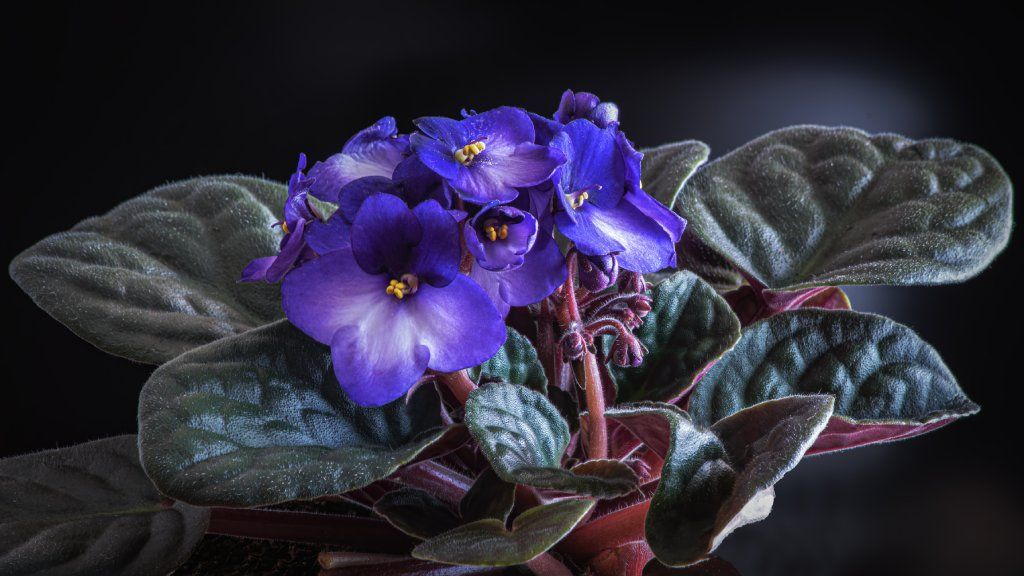
African violets, scientifically known as Saintpaulia, are native to the cloud forests of Tanzania and Kenya. They were first discovered in the late 19th century and quickly became a sensation in European and American households. What makes them so universally adored isn’t just their aesthetic appeal—it’s their adaptability. With the right care, African violets bloom year-round indoors, offering a continuous reward for your attention and patience.
Their compact size makes them ideal for apartment living, office desks, and cozy kitchen windowsills. They ask for little and give a lot—just the kind of relationship many plant lovers dream of.
Choosing the Right Plant to Start With
If you’re just getting started, pick a healthy African violet from a reputable nursery or garden center. Look for plants with vibrant green foliage, no brown or yellowing on the edges, and plenty of buds waiting to bloom. Avoid plants with wilted leaves, signs of mold, or waterlogged soil.
Miniature varieties are perfect if you have limited space, while standard or trailing types add lush volume to larger displays. There are even ruffled, double-petaled, and variegated-leaf types that offer dramatic flair.
It’s easy to get carried away with their many forms and colors, but start with one or two to learn their language before expanding your indoor garden.
Creating the Perfect Environment
African violets have a reputation for being fussy, but what they really want is consistency. They crave a stable environment that mimics the filtered light and high humidity of their East African origins. That means bright but indirect light, moderate temperatures, and humidity levels that don’t dip too low.
Place your violets near a north- or east-facing window where they’ll get plenty of ambient light without the burn of direct sun. If natural light is in short supply, fluorescent or LED grow lights are a reliable alternative. Keep them about 12 inches above the plant for 12 to 14 hours a day to simulate daylight.
As for temperature, aim for 65°F to 75°F. Sudden drops or drafts can shock the plant, so avoid placing them near windows that are frequently opened or heaters that dry out the air.
Humidity can be a challenge in drier climates. Setting your plant on a shallow tray of water with pebbles (ensuring the pot itself doesn’t sit in the water) is an effective method to gently raise humidity around the plant without the risk of rot.
Watering Without the Worry
One of the biggest mistakes new African violet owners make is watering incorrectly. These plants despise wet feet and soggy leaves. Overwatering leads to root rot, while splashing water on the leaves can cause spotting or fungal issues. Yet, underwatering stresses the plant and limits blooming.
The key is to water only when the soil feels slightly dry to the touch. Not bone-dry, not damp—just dry enough to signal thirst.
Water from the bottom if possible. Set the pot in a saucer of room-temperature water for about 30 minutes, then discard any remaining water. This lets the plant draw moisture up naturally, much like it would in its native environment.
If you prefer top watering, use a small spouted container to carefully water the soil, not the leaves, and do it slowly so the roots have time to absorb it.
Soil and Potting Done Right
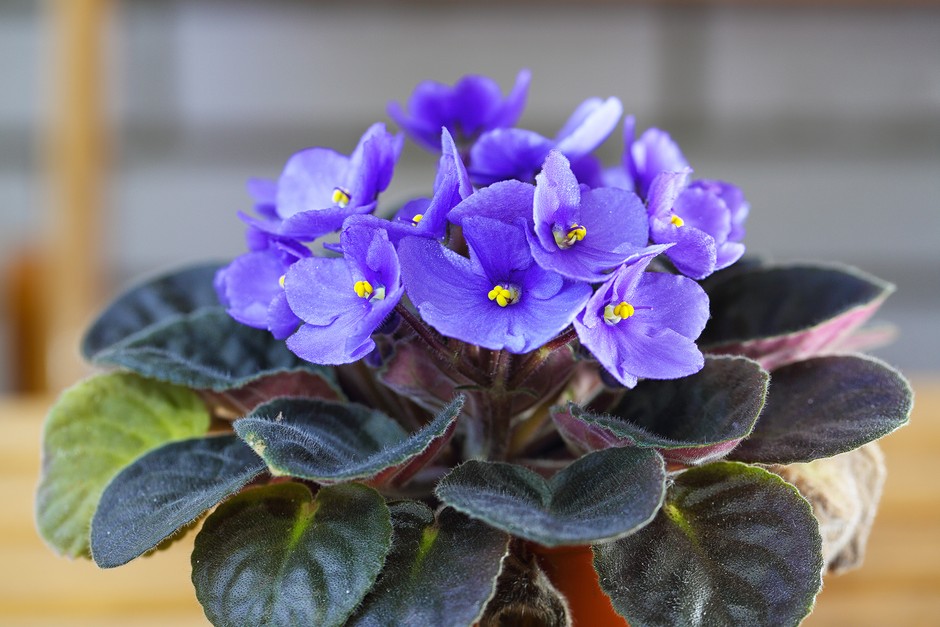
African violets are picky about their roots. They prefer light, airy soil that drains quickly but retains just enough moisture. Standard potting mix is too heavy, so use one specifically labeled for African violets or make your own blend using peat moss, perlite, and vermiculite in equal parts.
When choosing a pot, go small—African violets like slightly crowded roots. A 4-inch pot is usually sufficient for a mature plant. Too large a pot can cause the plant to focus energy on root growth at the expense of blooms.
Repot every 6 to 12 months to refresh the soil and avoid mineral buildup. Gently remove the plant, trim any dead roots, and replant in fresh mix. If your violet is developing a “neck” (a bare stem showing above the soil), bury it a bit deeper in the new pot.
Feeding for Continuous Blooms
African violets are moderate feeders, but regular fertilization encourages strong growth and generous flowering. Choose a balanced fertilizer specifically formulated for African violets or a gentle houseplant food with a formula like 14-12-14.
Feed every 2 to 4 weeks during active growth. Liquid fertilizers work well when diluted to half-strength. Be careful not to overfeed—this can cause root burn or leafy growth at the expense of flowers.
A good rule of thumb: If your plant looks healthy but isn’t blooming, it might need more light. If the leaves are pale or growth seems stunted, it’s time for a light feed.
Encouraging Blooms All Year Long
With the right care, African violets can bloom almost continuously. The trick lies in striking a balance between light, moisture, and nutrition.
Deadhead spent flowers by gently removing them at the base of the stem. This tells the plant to produce more blooms instead of putting energy into seed production.
Rotate your plant a quarter-turn every few days to encourage even growth and prevent it from leaning toward the light source. Trim off any dead or damaged leaves, and always keep the crown (where the leaves emerge from the center) dry and clear to avoid rot.
A happy African violet will usually bloom in cycles. If it stops flowering, it may just be taking a rest. Don’t panic—continue proper care and it will likely resume its display soon.
Propagating for Joy and Sharing
There’s something deeply satisfying about growing new life from a single leaf. African violets are incredibly easy to propagate, making them ideal for sharing with friends or growing your collection.
To propagate, choose a healthy leaf from the middle of the plant (not too old, not too young), and cut it with about an inch of stem attached. Insert it into a small pot of moist, well-draining soil, and cover it with a clear plastic dome or bag to retain humidity. Place in bright, indirect light.
In a few weeks, tiny plantlets will begin to appear at the base of the cutting. Once they’re large enough to handle, gently separate them and pot them individually.
This process not only brings more plants into your life but also deepens your bond with the original one. It’s a form of care that echoes through generations of leaves.
Dealing with Pests and Problems
African violets are relatively pest-resistant, but they’re not immune. Common intruders include mealybugs, thrips, and spider mites. You’ll usually spot trouble in the form of sticky residue, distorted leaves, or fine webbing.
Use a soft cloth dampened with water or insecticidal soap to wipe down leaves. Neem oil can be effective but should be used sparingly. Always isolate a new or sick plant to prevent the spread of pests to your collection.
Fungal issues, such as powdery mildew or crown rot, are often the result of overwatering or poor airflow. Keeping leaves dry and ensuring adequate ventilation can go a long way in prevention.
The Joy of Patience and Presence
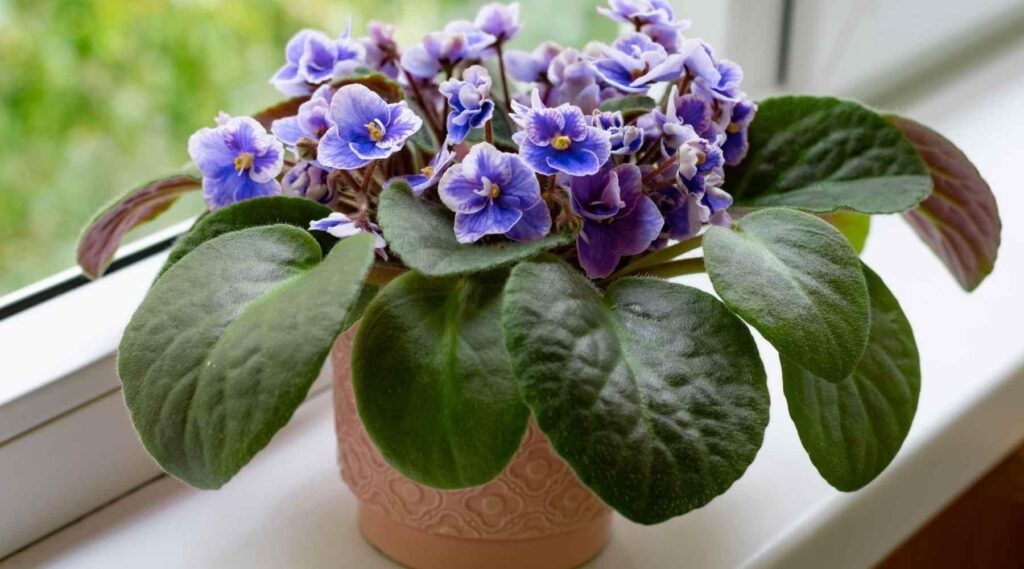
There’s a gentle rhythm to caring for African violets. They won’t scream for attention or wilt dramatically like some other houseplants. They teach you to notice the subtle changes—the way a new bud emerges, how leaves tilt toward the morning sun, or how a bit more light brings out the color in their blooms.
More than anything, growing African violets is about consistency and care. They reward patience, and in return, offer quiet companionship and enduring beauty.
Whether you’re a seasoned gardener or a curious beginner, African violets can be both a teacher and a muse. In their plush leaves and vivid petals, you’ll find not just decoration, but devotion—proof that even the smallest corner of your home can become a haven of color and life.