
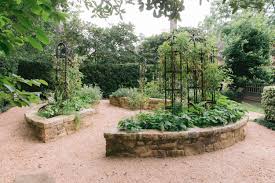
Growing organic food at home has become an increasingly popular goal among health-conscious individuals and sustainability advocates. Traditional garden beds, with their rows of soil and careful tending, remain a staple method. However, not everyone has access to a yard or ample outdoor space, and many are looking for innovative ways to cultivate organic produce beyond the classic garden bed. Fortunately, the world of organic gardening is vast and full of unconventional methods that enable even those with limited space or unusual environments to grow healthy, chemical-free food.
These alternative growing techniques emphasize sustainability, creativity, and efficiency. From vertical farming to aquaponics, the possibilities extend far beyond the patch of earth in your backyard. With a little ingenuity, you can harness these methods to cultivate fresh, organic vegetables, herbs, and fruits in your home—whether you live in an apartment, have a balcony, or want to maximize your garden’s output without expanding its footprint. Exploring unconventional approaches not only broadens your options but can also lead to greater yields, less water consumption, and a deeper connection with the food you eat.
Understanding these diverse methods offers a chance to revolutionize how we think about organic food production on a personal scale. The techniques discussed here challenge traditional gardening norms, pushing boundaries to create more accessible, efficient, and innovative ways to grow organic food at home.
Vertical Gardening: Maximizing Space and Yield
Vertical gardening has surged in popularity, especially among urban dwellers and those with limited outdoor space. This method involves growing plants upward rather than outward, using structures such as trellises, wall-mounted planters, and stacked pots. Vertical gardening is not only aesthetically pleasing but also an incredibly efficient way to increase production without requiring additional ground space.
One of the biggest advantages of vertical gardening is its ability to maximize small spaces. Whether you have a tiny balcony, a patio, or a sunny windowsill, vertical gardens can fit into areas traditionally considered unusable for growing food. By training vines, climbing vegetables, or cascading plants to grow vertically, you create layers of productivity in a compact footprint. Plants like tomatoes, cucumbers, peas, beans, and even strawberries thrive in vertical setups.
The materials used for vertical gardens can vary widely—from recycled pallets and PVC pipes to commercial vertical garden kits. Some gardeners use hydroponic vertical systems that circulate nutrient-rich water to the roots without soil, increasing growth rates and conserving water. This method fits perfectly with organic principles when organic nutrients and pest controls are applied.
Besides space-saving, vertical gardens promote better air circulation and reduce the risk of soil-borne diseases. Sunlight reaches plants more evenly, encouraging healthier growth. For urban organic gardeners, vertical gardening provides an innovative, scalable solution that transforms even the smallest area into a productive food source. By thinking vertically, home growers can achieve remarkable yields while maintaining organic standards.
Aquaponics: Integrating Fish Farming and Plant Cultivation
Aquaponics represents one of the most innovative and sustainable methods to grow organic food at home. This system combines aquaculture (raising fish) with hydroponics (growing plants in water without soil) in a closed-loop environment. Essentially, fish waste provides nutrients for the plants, and the plants filter the water for the fish, creating a mutually beneficial ecosystem.
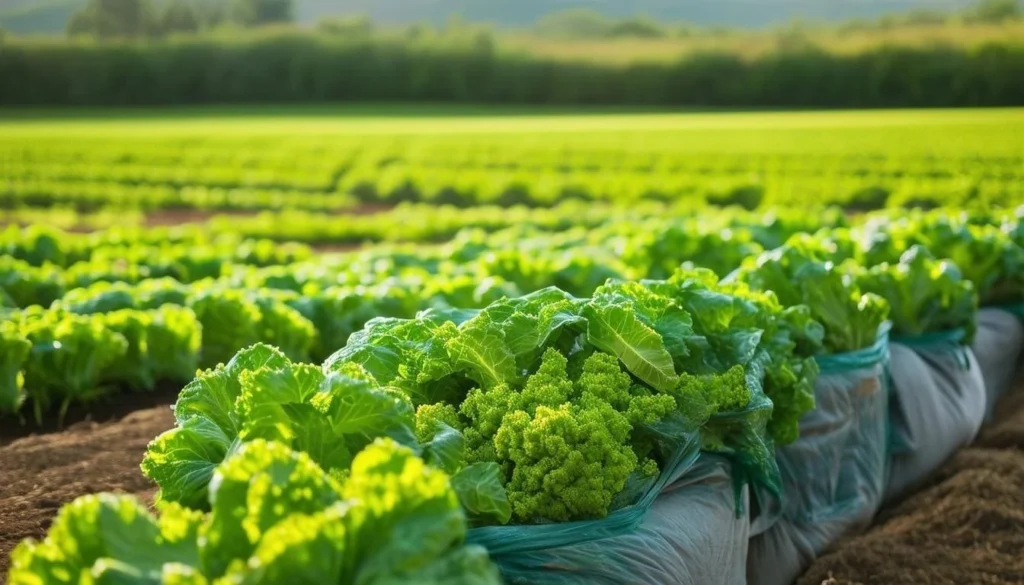
What makes aquaponics so remarkable is its efficiency. Unlike traditional soil gardening, aquaponics uses up to 90% less water because the water is recirculated continuously. The system naturally fertilizes plants with fish waste, eliminating the need for synthetic or chemical fertilizers. This symbiotic setup supports organic food production without the environmental toll associated with many conventional farming methods.
Setting up a home aquaponics system requires some initial investment and technical knowledge, but small-scale systems are becoming increasingly accessible. A simple tank with a few fish and a grow bed with plants such as leafy greens, herbs, or even tomatoes can be sufficient for household use. The fish species commonly used include tilapia, goldfish, and koi, chosen for their ability to thrive in contained environments.
Maintaining water quality and balancing fish and plant needs are essential to keep the system running smoothly and organically. Regular testing and natural pest management ensure that both fish and plants remain healthy without chemical interference.
Aquaponics represents a revolutionary approach for organic food growers, merging animal husbandry and gardening in a sustainable partnership. It appeals to those who want to raise fresh fish alongside fresh vegetables, creating a truly closed-loop food system at home. By adopting aquaponics, home gardeners can elevate their organic food production to new levels of sustainability and innovation.
Container Gardening: Growing Organics Anywhere
Container gardening is perhaps the most flexible and accessible unconventional method to grow organic food at home. It allows gardeners to cultivate vegetables, herbs, and fruits in pots, buckets, or other containers — a method that suits renters, apartment dwellers, or anyone with limited or poor-quality soil.
The beauty of container gardening lies in its adaptability. Containers can be placed on balconies, rooftops, window sills, or even indoors near a sunny spot. This portability means you can move plants to catch sunlight or protect them from harsh weather, ensuring optimal growth conditions year-round.
To succeed with organic container gardening, soil quality and drainage are paramount. Using organic potting mixes rich in compost and organic fertilizers supports healthy plant growth. Additionally, containers should have adequate drainage holes to prevent waterlogging, which can harm roots and encourage disease.
Container gardening works well for many popular organic crops such as lettuce, spinach, kale, peppers, cherry tomatoes, and herbs like basil, mint, and parsley. Even small fruiting plants like dwarf strawberries and compact varieties of eggplant can thrive in containers.
One advantage of container gardening is the ease of pest control. Since the garden is contained, organic pest management methods—like introducing beneficial insects, handpicking pests, or using organic sprays—are easier to monitor and apply without risking contamination of surrounding plants.
Moreover, container gardening minimizes weed problems and allows precise control over soil nutrients, making it easier to adhere to organic growing principles. For those who believe gardening requires a yard or garden bed, container gardening shatters that myth by bringing organic food cultivation to any corner of your home.
Indoor Gardening and Grow Lights: Year-Round Organic Harvest
Indoor gardening has revolutionized organic food production, especially in regions with short growing seasons or limited outdoor space. By bringing plants indoors and supplementing natural light with grow lights, gardeners can cultivate organic food year-round regardless of climate.
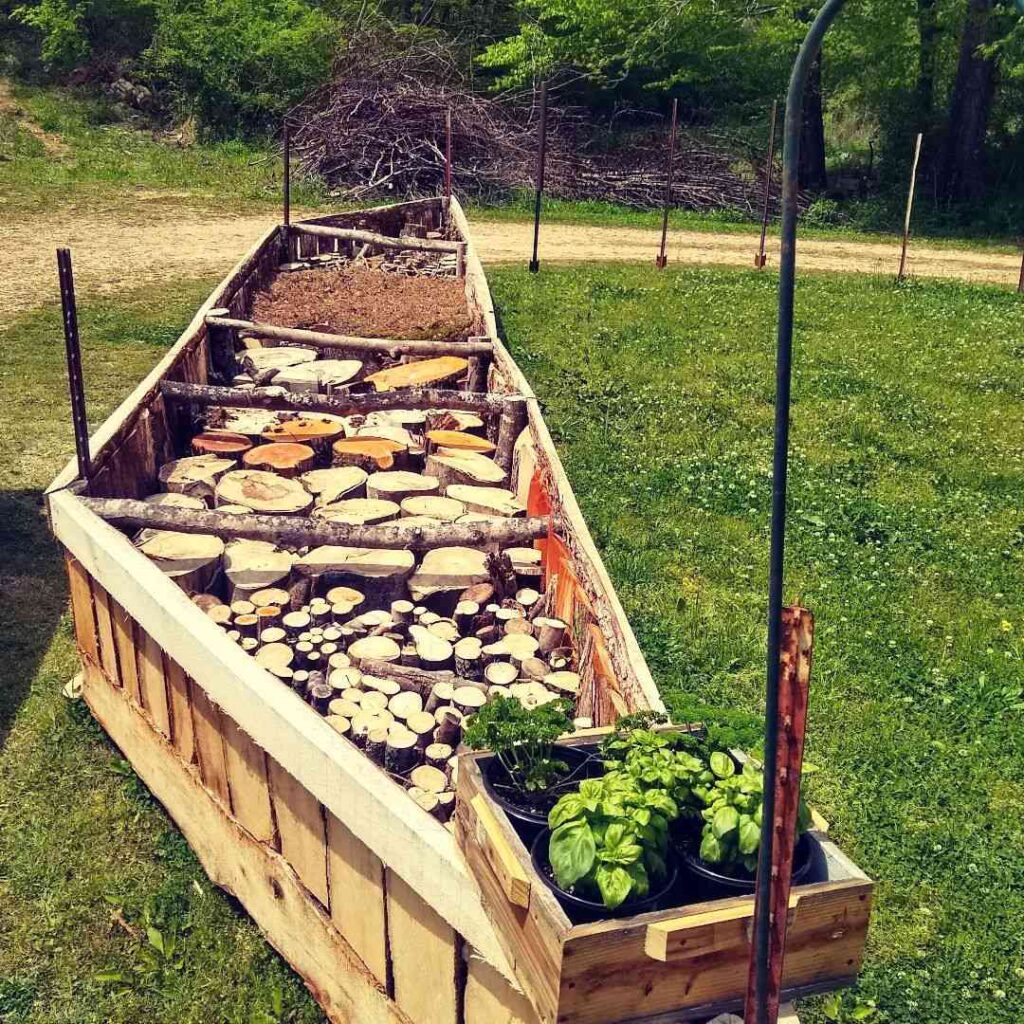
Modern grow lights, including LEDs designed specifically for plants, provide the precise light spectrum needed for photosynthesis and healthy development. This technology has opened the door for urban gardeners to grow organic greens, herbs, microgreens, and even compact fruiting plants inside their homes.
One of the great benefits of indoor gardening is control. Environmental factors such as temperature, humidity, and light intensity can be carefully regulated to create optimal growing conditions. This precision reduces stress on plants and can result in faster growth and higher yields. Additionally, indoor environments often limit pest exposure, making organic pest control more manageable.
Indoor gardening also allows for creative setups—shelves of plants under LED lights, hydroponic indoor systems, or windowsill herb gardens. Microgreens, in particular, are popular indoor crops due to their quick turnaround time and nutrient density. These tiny greens can be harvested within weeks and provide a powerful organic boost to your diet.
For those committed to organic principles, indoor gardening requires using organic seeds, soil or soilless media, and organic pest and disease controls. Avoiding synthetic fertilizers and pesticides is crucial to maintaining the integrity of the harvest.
In essence, indoor gardening powered by grow lights democratizes organic food production. It empowers people to grow fresh, healthy food in any living space, all year long. This method redefines what is possible when it comes to urban and space-challenged organic gardening.
No-Dig Gardening: A Natural Approach to Soil Health
No-dig gardening is an unconventional organic method gaining momentum for its simplicity and ecological benefits. Instead of turning or tilling soil, no-dig gardeners build up layers of organic matter on the surface, allowing nature to break it down and enrich the soil over time.
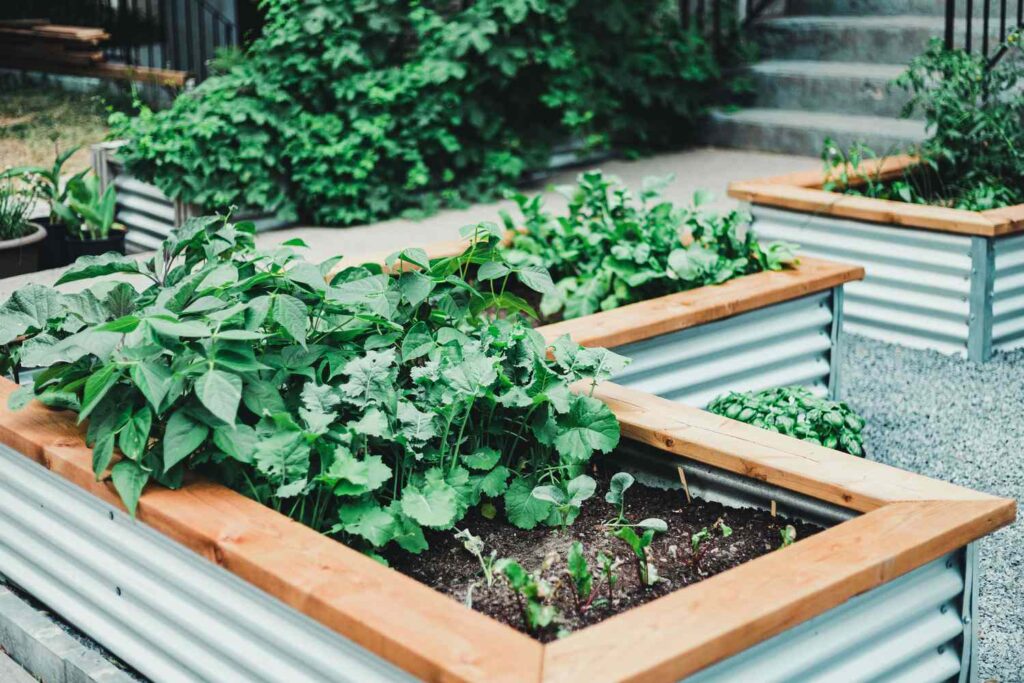
The principle behind no-dig gardening is to mimic natural forest ecosystems where soil remains undisturbed and plant debris gradually decomposes to feed the earth. By layering compost, mulch, and other organic materials on top of existing soil, no-dig methods encourage beneficial soil organisms like earthworms and microbes to flourish.
One of the most important advantages of no-dig gardening is soil preservation. Traditional digging can disrupt soil structure, harm microorganisms, and lead to erosion. No-dig methods foster healthy, crumbly soil rich in organic matter, which supports robust plant growth and organic nutrient cycling.
No-dig gardens can be created on garden beds, raised beds, or even on grassy areas that you want to convert into productive organic plots. This technique works well for vegetables, herbs, and even small fruiting plants.
Because the soil is never disturbed, weed seeds remain buried, reducing weed pressure over time. No-dig gardening also tends to require less watering as the organic mulch retains moisture effectively. Organic fertilizers such as compost tea, seaweed extract, or fish emulsion can be applied on the surface without disturbing the soil ecosystem.
For home gardeners looking for a low-effort, sustainable, and effective way to grow organic food, no-dig gardening offers a natural and regenerative solution. It encourages working with the soil and nature rather than against it. No-dig gardening is a powerful testament to how unconventional techniques can yield healthy, organic food while enhancing soil health.