
Bringing nature inside is more than a trend—it’s a way to breathe life, color, and calm into our living spaces. Among the many plants that have won hearts worldwide, the Dracaena stands out for its effortless elegance and hardy nature. These striking plants, with their sword-like leaves and architectural appeal, have become staples in homes, offices, and even art galleries. But beyond their beauty, Dracaenas are surprisingly adaptable and forgiving, making them a perfect companion for both novice and seasoned plant lovers.
If you’ve ever wondered how to nurture this green grace indoors, you’re in for a treat. Growing Dracaena varieties successfully isn’t just about watering and sunlight; it’s a dance of understanding their natural habitat, subtle cues, and needs. This journey of cultivation transforms not only your plant but your space—infusing it with tranquility and life.
The Allure of Dracaena: Why They Shine Indoors
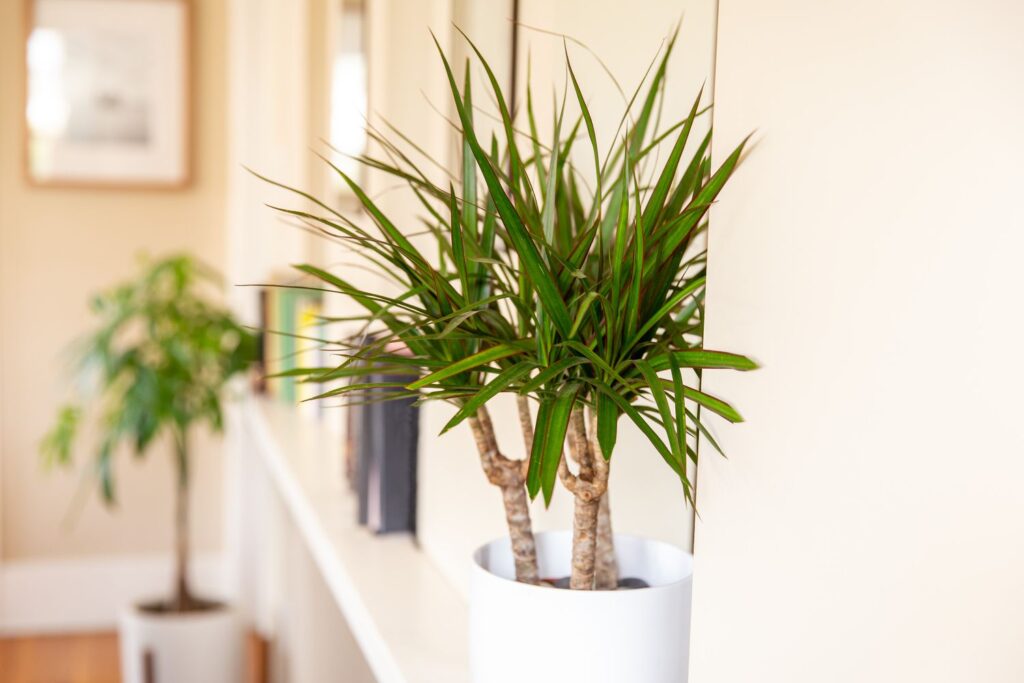
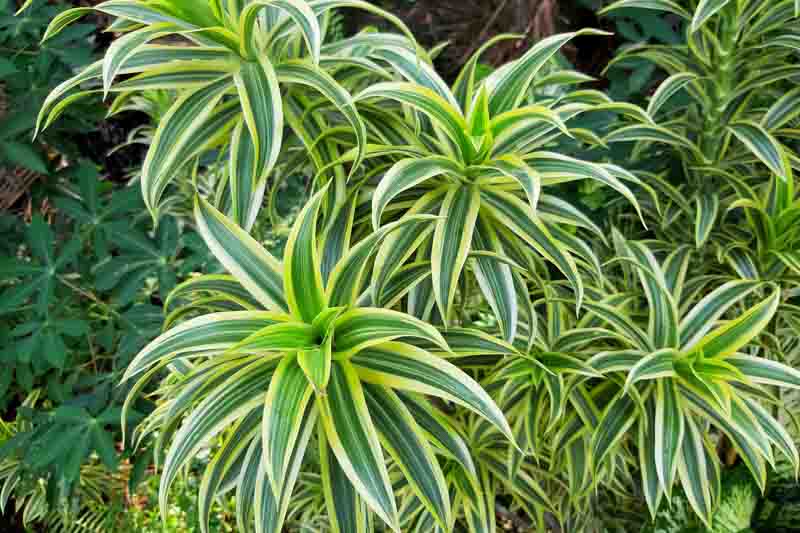
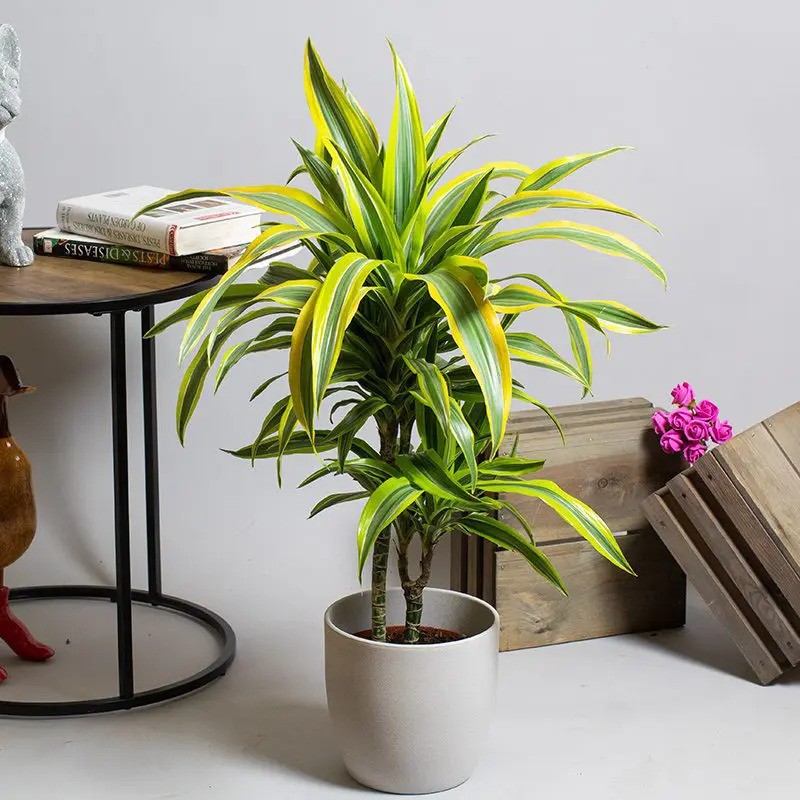
Before diving into the practicalities, it’s worth savoring what makes Dracaenas so beloved. Their beauty lies in the simplicity and strength of their design. The long, narrow leaves often showcase variegated patterns of green, yellow, white, or even red hues. Whether it’s the classic Dracaena marginata with its slender, spiky leaves or the fuller, bushier Dracaena fragrans, these plants fit effortlessly into a variety of decor styles—modern minimalism, boho chic, or traditional cozy corners.
But the allure isn’t just visual. Dracaenas are renowned for their ability to purify indoor air. NASA’s famous Clean Air Study listed Dracaena among the plants that remove harmful toxins like formaldehyde, benzene, and trichloroethylene. This means your green friend does double duty—beautifying your space while improving your well-being.
Choosing the Right Dracaena for Your Home
With more than 40 species of Dracaena, picking the right one can feel like an adventure. Some thrive as tall floor plants, others prefer the tabletop. Understanding the characteristics of popular varieties can help you select a plant that matches your space and lifestyle.
Dracaena marginata, or the Dragon Tree, is a top favorite. Its slender, arching leaves create a dramatic silhouette and can grow several feet tall, making it perfect for filling empty corners. It thrives in moderate to bright indirect light and tolerates occasional neglect—ideal for busy people.
Dracaena fragrans, known as the Corn Plant, is another common household variety. It sports broader, glossy leaves that can brighten darker rooms. This variety is particularly tolerant of low light but grows more slowly as a result.
If you’re drawn to vibrant colors, the Dracaena reflexa, often called Song of India, offers leaves edged in golden yellow, bringing a splash of sunshine indoors. For those who want compact, tabletop plants, Dracaena deremensis or Janet Craig is a sturdy choice with deep green leaves.
Knowing your space—its lighting, temperature, and humidity—will guide you in picking the best variety that fits seamlessly into your home.
Lighting: Mimicking Natural Habitats Indoors
Dracaenas originate from tropical African and Asian regions where dappled sunlight filters through the forest canopy. Replicating this kind of environment indoors is key to thriving plants. Most Dracaenas prefer bright, indirect light, though many adapt to lower light levels.
Avoid placing them in harsh direct sunlight, as it can scorch their leaves, causing brown edges and dull coloration. However, a spot near a window with filtered light or a room that receives plenty of ambient daylight works wonders.
For homes with limited natural light, using artificial grow lights with full-spectrum bulbs can supplement the plant’s needs. The warmth and consistency help maintain growth through darker winter months or in spaces like apartments and offices.
Watering Wisdom: Striking the Balance
One of the most common mistakes in caring for Dracaena is overwatering. These plants are drought-tolerant and prefer their soil to dry out partially between watering sessions. Overwatering can lead to root rot, which is often fatal.
A good practice is to check the top inch of soil—if it feels dry to the touch, it’s time to water. When you do water, soak the soil evenly but allow excess water to drain away completely. Never let your Dracaena sit in standing water, as soggy roots invite trouble.
During winter or cooler months, reduce watering frequency since the plant’s growth slows down. Watch for subtle signals: curling leaves, yellow tips, or drooping may indicate watering issues—either too much or too little.
Soil and Potting: Foundations for Growth
Dracaenas are not particularly picky about soil but thrive best in a well-draining, slightly acidic to neutral mix. A standard indoor potting soil blended with perlite or sand offers the right balance—allowing roots to breathe while retaining enough moisture.
Choosing the right pot is equally important. Ensure it has drainage holes to prevent waterlogging. For aesthetics and plant health, terracotta pots are fantastic—they wick away excess moisture and offer stability for taller plants.
Repotting every 2-3 years encourages healthy root growth. It’s best to do this during the spring or early summer when the plant is actively growing. Gently loosen the root ball and remove old soil, replacing it with fresh mix. This refresh helps your Dracaena continue flourishing with vigor.
Feeding Your Dracaena: Nutrients for Vibrancy
While Dracaenas aren’t heavy feeders, occasional fertilization supports their lush foliage. A balanced, water-soluble fertilizer diluted to half strength, applied once a month during the growing season (spring and summer), is sufficient.
Avoid fertilizing in fall and winter when the plant’s growth naturally slows down. Over-fertilization can cause leaf burn or salt build-up in the soil, so moderation is key.
Pruning and Shaping: Cultivating Elegance
Pruning Dracaena isn’t just about controlling size; it’s a creative way to shape your plant and promote healthier growth. Removing yellow or damaged leaves keeps the plant looking fresh and prevents pests or diseases.
For varieties like Dracaena marginata, you can trim the tall canes to encourage branching. Cutting a cane back to just above a leaf node will prompt new shoots, thickening the plant over time. This process can also be a chance to propagate cuttings and multiply your green collection.
Use clean, sharp scissors or pruning shears to make clean cuts and reduce the risk of infection. After pruning, keep your plant in a well-lit area to aid recovery.
Managing Pests and Common Issues
Dracaenas are generally resilient but can occasionally attract pests such as spider mites, mealybugs, or scale insects. These unwelcome visitors thrive in dry conditions and can damage leaves by sucking sap, leading to discoloration and weakening the plant.
Regularly inspect your plant’s undersides and stems for tiny webbing or cottony spots. If pests appear, wiping leaves with a damp cloth or using insecticidal soap can help eliminate them. Increasing humidity by misting or placing a humidifier nearby also discourages pests.
Leaf tip browning is a common frustration among Dracaena owners. This can stem from fluoride sensitivity (present in some tap water), over-fertilizing, or inconsistent watering. Using distilled or filtered water and reducing fertilizer can often improve leaf health.
Creating a Dracaena-Friendly Microclimate
Tropical plants like Dracaena appreciate moderate humidity, ideally between 40% and 60%. Indoor heating and air conditioning can dry the air, stressing your plant. Simple actions—like placing a tray of water nearby, grouping plants together, or misting leaves—help recreate their humid origins.
Temperature is another factor to mind. Dracaenas prefer warmth but shy away from drafts or sudden temperature drops. Keep them in rooms ranging between 65°F and 80°F (18°C to 27°C) for optimal growth.
The Emotional Joy of Growing Dracaena
Beyond the technical aspects, there’s an emotional rhythm to nurturing Dracaena plants. Watching those first new leaves unfurl, noticing the subtle growth changes week by week, or simply enjoying their presence as you pass by, cultivates mindfulness and joy.
They reward patience and care with longevity—many Dracaenas can live for decades, becoming living companions and anchors of calm in our often hectic homes.
Final Thoughts: Bringing Green Grace into Your Life
Cultivating thriving Dracaena varieties at home is a blend of science, intuition, and a little bit of artistry. Their elegant form, easygoing nature, and air-purifying qualities make them perfect for any indoor setting.
By understanding their natural needs and responding thoughtfully—balancing light, water, soil, and care—you invite a piece of tropical grace into your daily life. The result is more than just a plant; it’s a living symbol of growth, calm, and green beauty thriving indoors.
So whether you choose the spiky drama of the Dragon Tree or the lush charm of the Corn Plant, your Dracaena will stand as a testament to your nurturing spirit—quietly flourishing, a steady pulse of green in your home’s heart.