
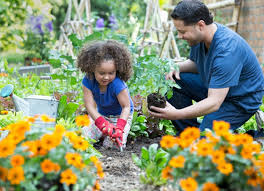
In an age dominated by technology, convenience, and fast food, it’s easy for children to become disconnected from the very source of their meals. Many kids today have never seen a plant grow from seed to harvest, let alone understand the hard work and resources it takes to bring food to the table. As a result, the idea of food sustainability, healthy eating, and agricultural appreciation often takes a backseat to more immediate concerns. However, by turning a simple garden into a hands-on classroom, children can gain a much-needed connection to the earth and its bounty. Teaching kids where their food comes from not only empowers them to make better food choices but also instills in them a lifelong respect for the environment and agriculture.
Growing a garden offers a unique opportunity to impart valuable lessons that go beyond the usual school subjects. It’s a practical, engaging way to teach about science, biology, sustainability, and responsibility. The garden becomes more than just a patch of earth; it transforms into a living classroom where children can watch the full cycle of food production unfold before their eyes.
Connecting Kids with Nature: A Holistic Learning Experience
There is something incredibly powerful about the simple act of planting a seed and watching it grow. It taps into a fundamental truth about life—that growth takes time, care, and patience. For children, this is often a revelation. A garden provides a hands-on, immersive learning experience that can’t be replicated in a classroom setting. While kids are typically taught about plant biology in textbooks, seeing a plant actually grow from seed to fruit gives them a tangible understanding of how life cycles work.
When children participate in gardening, they engage in an activity that requires them to think critically, make observations, and test hypotheses. For example, when they plant beans in soil, they can observe how water and sunlight affect the germination process. They can experiment with different types of soil, plant spacing, and watering schedules to see which conditions are most beneficial for growth. This type of learning allows them to connect scientific theory with real-world applications.
Gardening also provides an opportunity to talk about the importance of biodiversity. Kids can see firsthand how a variety of plants—fruits, vegetables, flowers, and herbs—can coexist and even help each other thrive. For example, they might observe how marigolds can keep pests away from other plants, or how certain plants, like tomatoes, benefit from being grown alongside basil. This natural interconnectedness fosters a deeper appreciation for the environment, and it teaches children about ecosystems and the importance of preserving biodiversity.
Being outdoors in nature is an integral part of the gardening experience. Children learn to observe the weather, notice the changing seasons, and become attuned to the rhythms of the natural world. These lessons extend far beyond the garden. By participating in this outdoor activity, children can develop a sense of stewardship and responsibility toward the environment. They become more aware of the ecological challenges facing the world and are better equipped to make choices that support sustainability, from reducing food waste to choosing local and seasonal produce.
Understanding the Journey of Food: From Seed to Table
For most children, the journey of food stops at the grocery store. Food simply appears on the shelves, and the process that brought it there remains a mystery. The garden is an ideal space to demystify where food really comes from and how it’s grown. This understanding encourages kids to think critically about the complex food systems that sustain us and the impact of their food choices on the environment.
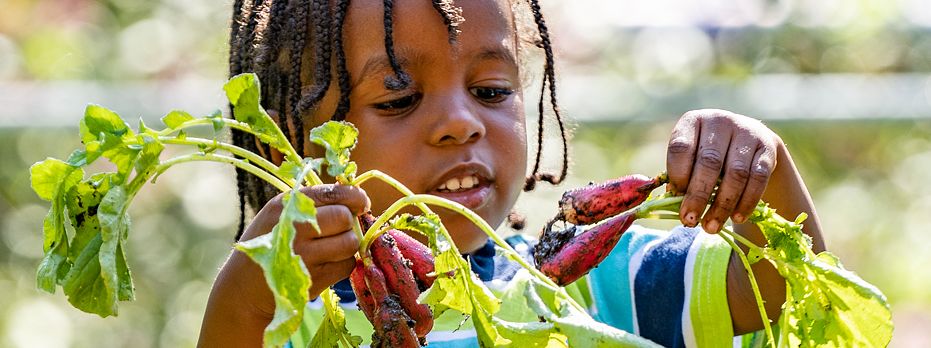
When children grow their own vegetables, they develop an awareness of the time and effort required to produce food. A single tomato plant might need weeks of care before it produces a fruit that is ready for harvest. When they pull up a carrot or pick a head of lettuce, they can reflect on the fact that these vegetables didn’t come from a plastic-wrapped container but from the earth itself. This realization often leads to greater respect for food. Children are less likely to waste food when they’ve witnessed the effort it takes to grow it.
The process of growing their own food also invites discussions about nutrition. Kids who are involved in gardening often become more enthusiastic about eating fresh, healthy vegetables because they have a personal connection to them. A garden is a perfect setting to talk about the importance of a balanced diet, the role of different vegetables in the body, and how certain nutrients help us grow stronger and healthier. Additionally, they can experiment with flavors and textures, learning to appreciate the variety of tastes that nature offers, from the sweetness of freshly picked strawberries to the slight bitterness of arugula.
Teaching Responsibility and Patience: The Value of Hard Work
One of the most powerful lessons kids can learn from gardening is the value of responsibility and patience. Growing a garden requires consistent attention. Children need to water their plants regularly, remove weeds, and check for pests. There are no shortcuts in gardening. Plants won’t grow overnight, and vegetables won’t appear on the table without effort. This process helps children understand the importance of daily care and the rewards of persistence.
The act of caring for plants also teaches kids about consequences. If they forget to water their plants, they may notice wilting leaves or stunted growth. Similarly, if they don’t pay attention to pests, they may lose their crops to insects. These natural consequences provide a low-stakes way for children to learn about cause and effect and understand that their actions have outcomes. By experiencing the ebb and flow of growth, they learn that life requires attention and effort, and sometimes things don’t go according to plan.
As children wait for their plants to grow, they develop patience—a virtue that is often in short supply in today’s fast-paced world. Growing food isn’t instant gratification. The wait from planting a seed to harvesting a crop can feel like an eternity to a child, but the reward is worth it. This process fosters the kind of long-term thinking that is essential for success in life, teaching kids that patience is often required for great things to happen.
Encouraging Sustainable Practices: The Importance of Environmental Awareness
In a world facing serious environmental challenges, it’s more important than ever to teach children about sustainability. Gardening offers a unique opportunity to incorporate sustainable practices into their everyday lives. Through gardening, kids can learn about the importance of using organic practices, conserving water, composting, and protecting the biodiversity of local ecosystems. These are lessons that can have a lasting impact on their behavior and attitudes toward the environment.
By using compost, for example, children can see how organic waste can be transformed into valuable nutrients for their garden. They can learn about the importance of reducing waste and the impact of over-consumption on the environment. Using natural fertilizers, avoiding harmful pesticides, and encouraging pollinators like bees and butterflies are all ways kids can contribute to environmentally friendly practices. This knowledge fosters an early awareness of the sustainability of food production and the importance of making mindful decisions for the planet’s future.
Gardening also offers a way to introduce kids to the idea of seasonality. In the garden, children can see which fruits and vegetables grow at different times of the year, helping them understand the concept of eating seasonally. This not only enhances their understanding of food production but also ties them to a broader global perspective on food systems, including the environmental cost of producing out-of-season produce that has to be imported from other parts of the world.
Building Lifelong Habits and Values
The lessons learned in a garden extend far beyond childhood. Teaching kids where their food comes from and how it grows plants the seeds for lifelong habits and values that are beneficial for their health, the environment, and the community. They carry with them an appreciation for fresh food, an understanding of the effort involved in food production, and a deep respect for the earth.

The garden becomes a space for connection—not just with nature, but with family and community. Whether working alongside parents, grandparents, or classmates, children develop bonds through shared effort and experience. These lessons are not quickly forgotten; they become an integral part of how they approach food, sustainability, and the environment throughout their lives.
In conclusion, the garden can serve as a classroom for teaching kids where their food comes from. Through hands-on activities, children can learn essential life skills, develop an appreciation for nature, and gain a deeper understanding of the food systems that nourish us. Gardening is an educational tool that goes beyond science—it fosters personal growth, responsibility, and a connection to the earth that will last a lifetime. The garden is not just a place to grow food; it is a place where young minds can cultivate the values, skills, and knowledge they need to thrive in an ever-changing world.