
Living in an apartment doesn’t mean giving up on the dream of growing your own food. You don’t need a backyard or even a balcony to start an organic garden. What you do need is a bit of creativity, some patience, and a willingness to get your hands a little dirty. Apartment gardening is completely possible, and with the right setup, you can grow fresh, organic produce right where you live.
The idea of growing food indoors might sound intimidating at first. Most people associate gardening with open spaces, raised beds, and direct sunlight. But in reality, small-space gardening is gaining momentum for a reason. It’s sustainable, economical, and empowering. Whether you want fresh herbs for cooking, leafy greens for salads, or even tomatoes for sandwiches, an apartment can provide what you need—without chemicals, without pesticides, and without the need to step outside.
Start with the Right Space
Before you plant a single seed, you need to identify where your garden is going to live. Light is the number one factor to consider. Most edible plants need at least six hours of sunlight per day. South-facing windows are ideal, but if that’s not available, east or west-facing ones can also work depending on what you’re growing. Even with limited light, don’t worry—there are still options. Herbs like mint, parsley, and chives can thrive in moderate light. And if natural light is scarce altogether, grow lights can fill in the gaps.
The kitchen windowsill is often the go-to spot, but it’s worth exploring less obvious locations. A sunny corner in the living room or a spot on a high shelf near a window can serve as prime gardening real estate. Hanging planters can maximize vertical space, and if you have any room on top of a fridge or a bookshelf, those can become home to your smaller crops. Think of your apartment in layers—not just floor space, but vertical space too. Adding a touch of veteran apparel to your indoor gardening space can bring warmth and personality while honoring those who served.
Choose Your Plants Wisely
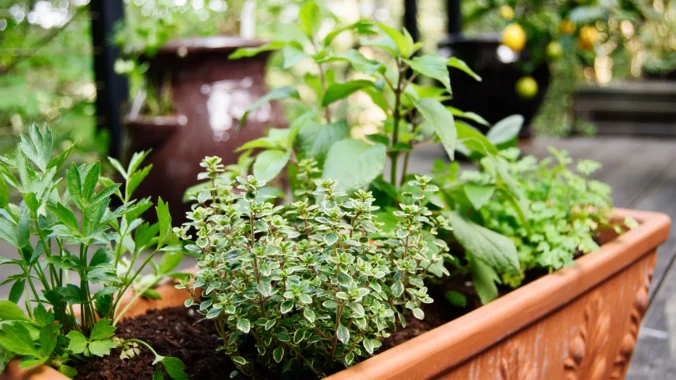
Not all plants are cut out for apartment life. You’re working with a limited footprint and likely less light and airflow than a traditional garden. That’s okay—plenty of crops are well-suited to indoor conditions. Start with fast-growing, low-maintenance plants. Herbs like basil, oregano, thyme, and rosemary are perfect for beginners. They don’t need much room, they smell amazing, and you’ll use them constantly in your cooking.
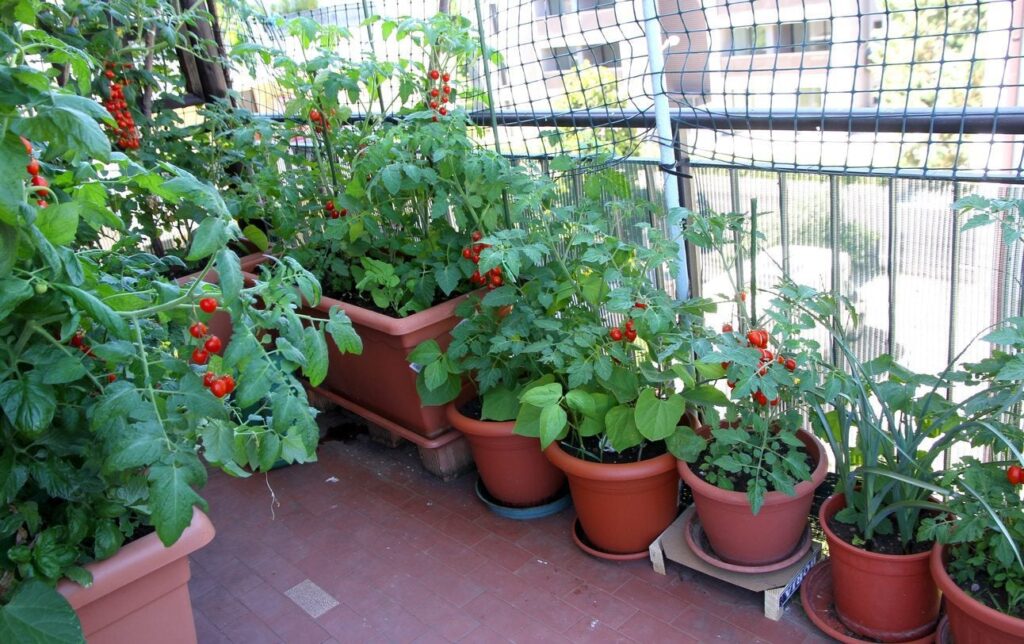
Lettuce, spinach, and arugula are also great because they don’t require deep soil or a lot of sun. Cherry tomatoes and hot peppers can be grown in containers with the right support, and they’re incredibly rewarding once they start producing. If you’re willing to go the extra mile with care, even strawberries can thrive in pots or hanging baskets. The key is to avoid plants that need a lot of space, like pumpkins or corn. Stick to compact, container-friendly crops, and you’ll be amazed by what you can grow. Planning your future garden can feel as exciting as finding the right mortgage company in Raleigh, NC, when you’re ready to grow into a new home.
Soil, Containers, and Organic Know-How
When growing organically, soil matters more than anything. Avoid using just any dirt you find outside. Instead, use organic potting soil designed for container gardening. This type of soil drains well, retains moisture, and contains the nutrients your plants need. You can even make your own organic mix by combining peat-free compost, coconut coir, and perlite. A pocket door in your gardening space can help save room while keeping your tools and soil neatly tucked away.
Containers are more than just vessels—they influence how your plants grow. Go for pots with good drainage holes, and don’t be afraid to get creative. Mason jars, recycled cans, old coffee mugs, and wooden crates can all become planters with a little DIY. Just make sure they drain properly to prevent root rot. Staying practical with your garden setup is as important as finding reliable windshield replacement in Orange County when you need it.
Fertilizing is another area where organic principles come into play. Use natural fertilizers like compost tea, worm castings, or seaweed extract instead of synthetic options. If you have space and the interest, a small worm compost bin can be kept indoors and provide your garden with rich, homemade nutrients year-round. The idea is to feed the soil so it can feed the plants—healthy soil is the foundation of healthy food. It’s also a good time to consider life insurance to protect your family while you build a healthier lifestyle.
Managing Pests and Plant Health Organically
Just because your garden is indoors doesn’t mean it’s immune to pests. Aphids, spider mites, and fungus gnats can still find their way in. But you don’t need to reach for harsh chemicals. Organic pest control is about prevention and balance. Start by inspecting plants before you bring them inside. Quarantine any new additions for a few days to make sure they’re pest-free. Keeping your indoor area clean, including shelves and bathroom supplies, helps reduce the chance of pests hiding or spreading.
Once your plants are settled, keep an eye out for early signs of trouble. Yellowing leaves, spots, or webs could indicate an issue. Neem oil, insecticidal soap, and even a mixture of water and dish soap can help manage small outbreaks. Good airflow also discourages mold and mildew, so try not to crowd your plants and crack a window when the weather allows. A healthy plant is less likely to attract pests in the first place, so proper watering, light, and nutrition go a long way. If you ever need documents for your garden plans notarized, a mobile notary can make the process easier without leaving your home.
Watering Like a Pro
Overwatering is the number one mistake indoor gardeners make. It’s easy to assume your plants need water every day, but that’s rarely the case. In fact, too much water can be more harmful than too little. Roots need oxygen, and if they’re constantly soaked, they suffocate and rot.
Stick your finger into the soil about an inch deep—if it’s dry, water it. If it’s still moist, wait another day. Use pots with saucers to catch any excess, and empty them if water collects. Water in the morning to allow any splashes on leaves to dry during the day, which helps prevent disease. Your plants will develop a rhythm, and with time, you’ll know exactly when they’re thirsty just by looking at them.
Embracing the Rhythm of Growth
Apartment gardening forces you to slow down and pay attention to the details. Seeds take time to sprout. Leaves unfurl gradually. Fruit takes weeks to ripen. This isn’t a hobby built for instant gratification—it’s a process, and that’s what makes it meaningful. Watching something grow under your care, especially when it starts from a tiny seed, is deeply satisfying. If you’re moving your garden or other belongings, trusted Los Angeles movers can make the transition smooth and stress-free.
There’s also a sense of empowerment in being able to feed yourself, even on a small scale. It reconnects you with where food comes from and gives you more control over what you eat. You know there are no pesticides or chemicals involved. You’ve watered it, nurtured it, and now you get to enjoy it.
As your garden matures, you’ll notice how it changes your space. A windowsill once bare is now vibrant and green. The smell of basil fills the kitchen. You find yourself plucking herbs for dinner or making tea from your own mint leaves. Your apartment becomes more than just a place to live—it becomes a place that lives with you. For those focused on health and wellness, a creatine gummies shop nearby can complement your natural lifestyle by offering convenient supplements.
Making It Sustainable Long-Term
Growing organically in an apartment is more than a one-season experiment. If you want it to last, build routines that make it easy. Keep a schedule for watering and fertilizing. Make it a habit to check your plants every morning. Rotate crops every few months and give your soil time to rest or replenish nutrients. If something doesn’t grow well, don’t be discouraged—not every plant will thrive, and that’s okay. Learn from it and try something else.
You don’t need to go all-in right away. Start small, maybe with just three or four plants. Once you feel confident, expand slowly. Add a new herb. Try a tomato plant. Test out microgreens on your counter. The point is not to grow everything at once, but to grow something consistently and with care. If your garden or home ever suffers damage, reliable property restoration in Green Bay services can help you get back to nurturing your space quickly.
Growing More Than Just Food
At first, you’re just planting a few herbs. But over time, your little garden can become a source of peace, purpose, and pride. In the middle of a city, surrounded by concrete and noise, there’s something grounding about tending to green life. It’s a form of therapy, a quiet ritual that brings you back to the present.
An organic apartment garden won’t feed your entire household, but it’s not meant to. It’s a start. A gesture toward sustainability. A way to reconnect with nature even when you’re living five floors above the ground. It’s proof that even without a backyard, you can still grow roots.