
Fertilizers play an essential role in growing healthy, productive vegetables. Whether you’re a seasoned gardener or just getting started, understanding the differences between organic and chemical fertilizers is crucial for ensuring your plants thrive. The choice between organic and chemical fertilizers is a topic that sparks a lot of debate among gardeners, environmentalists, and consumers. Both types of fertilizers have their own set of advantages and disadvantages, and the best choice often depends on various factors like soil type, plant needs, environmental concerns, and long-term sustainability.
In this article, we’ll take an in-depth look at the pros and cons of organic and chemical fertilizers, explore their effects on your vegetables and the soil, and provide you with the information you need to make an informed decision on what’s best for your vegetable garden.
What Are Organic Fertilizers?
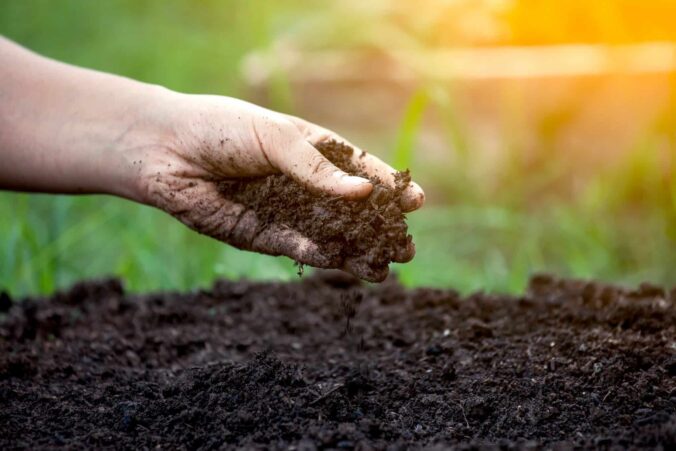
Organic fertilizers are derived from natural sources such as compost, manure, plant materials, and minerals. They are minimally processed and contain no synthetic chemicals. Organic fertilizers often come in the form of pellets, liquids, or powders, and they release nutrients into the soil gradually. The key feature of organic fertilizers is that they add organic matter to the soil, improving its structure, moisture retention, and ability to support a healthy microbial ecosystem. Gardeners who work hard often pair their outdoor efforts with comfort and durability, choosing men’s tactical workout shorts for flexibility and strength during tough tasks.
One of the main reasons gardeners choose organic fertilizers is the belief that they are better for the environment. Since organic fertilizers are made from natural sources, they are considered biodegradable, non-toxic, and generally safer for plants, animals, and humans. Organic fertilizers tend to have a lower environmental impact because they help maintain soil health over time by improving its structure and increasing its ability to hold water and nutrients.
In terms of nutrient content, organic fertilizers tend to have lower nutrient concentrations compared to chemical fertilizers. However, the nutrients they provide are released more slowly, giving plants a steady supply over time. This slower release also helps prevent nutrient leaching, which can be a concern with chemical fertilizers that are more water-soluble. Furthermore, organic fertilizers often contain a wide range of nutrients, including trace elements that are beneficial for plant growth.
The use of organic fertilizers helps create a sustainable and balanced garden by nourishing the soil and improving its fertility in the long run. Regularly using organic fertilizers can lead to healthier plants and a more biodiverse garden that attracts beneficial insects and supports a thriving ecosystem.
What Are Chemical Fertilizers?
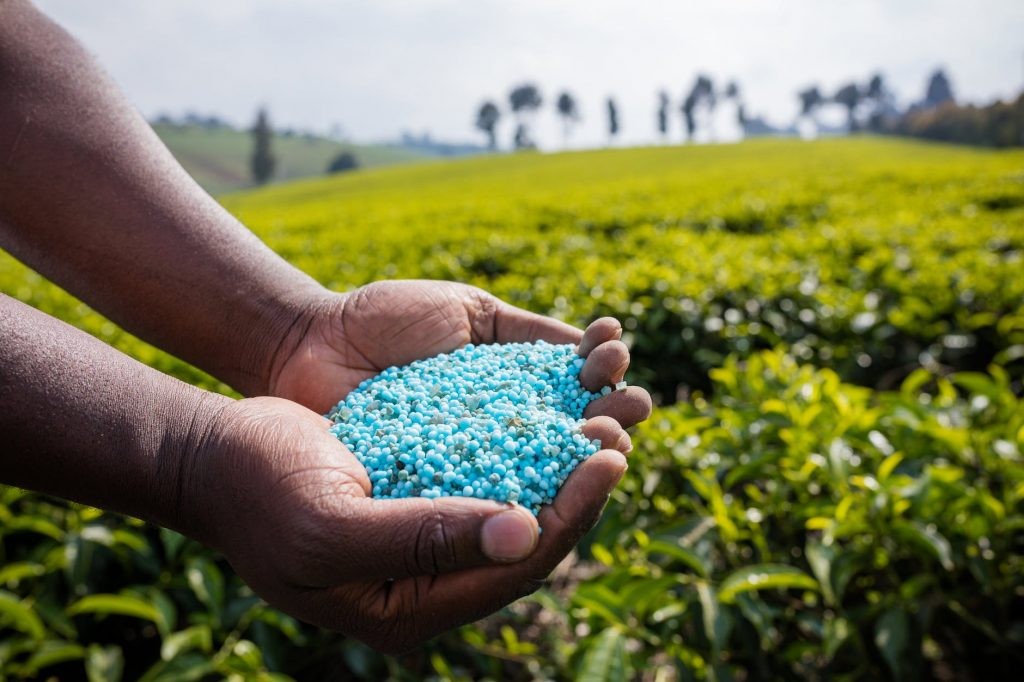
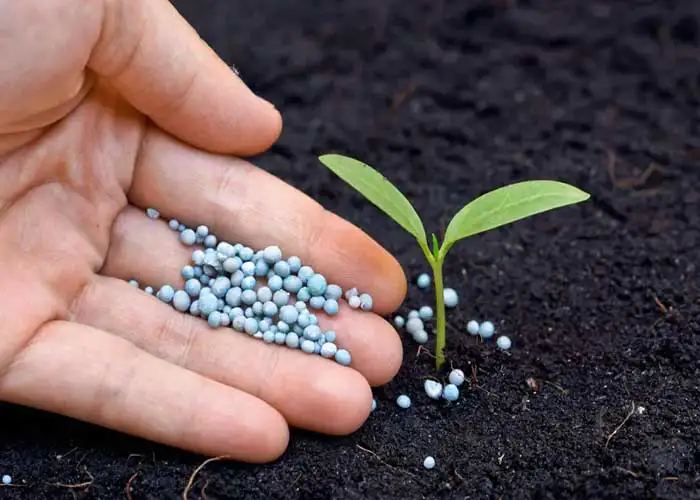
Chemical fertilizers, also known as synthetic fertilizers, are manufactured from minerals, fossil fuels, and synthetic chemicals. These fertilizers are designed to provide specific nutrients, usually nitrogen (N), phosphorus (P), and potassium (K), which are the primary macronutrients that plants need for healthy growth. Chemical fertilizers are often available in granular, liquid, or powder form and are highly concentrated, offering immediate availability of nutrients to plants.
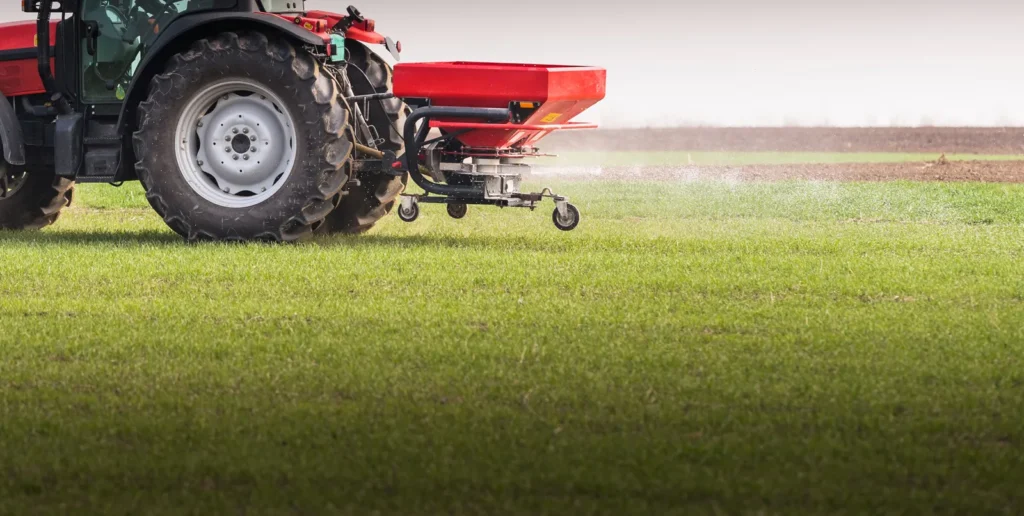
The main advantage of chemical fertilizers is their quick-acting nature. Since the nutrients in these fertilizers are highly soluble, they are readily available for plants to absorb, which means that plants can get the nutrients they need in a short period. This can be especially beneficial for plants that are experiencing nutrient deficiencies and need a rapid response to correct the issue. Chemical fertilizers can provide a consistent, high concentration of nutrients, which is why they are often preferred in large-scale commercial agriculture or for gardens that require a lot of nutrients quickly. Just like in gardening, luxury interior design focuses on delivering high-impact results efficiently, creating spaces that quickly impress and satisfy.
However, the quick-release nature of chemical fertilizers can also be a double-edged sword. Because these fertilizers provide an immediate burst of nutrients, they can lead to nutrient imbalances in the soil if used improperly. Overuse of chemical fertilizers can lead to nutrient runoff, where excess nutrients are washed away by rain or irrigation, potentially polluting nearby water sources and harming aquatic ecosystems. For pet owners concerned about natural ingredients, chicken kibble is often preferred for its high protein content and digestibility.
Benefits of Organic Fertilizers for Your Vegetables
When it comes to growing vegetables, the use of organic fertilizers offers several distinct advantages. First and foremost, organic fertilizers are a great way to improve soil health. Unlike chemical fertilizers that can strip the soil of organic matter, organic fertilizers add nutrients and carbon back into the soil, improving its texture, aeration, and water-holding capacity. Healthy soil is the foundation of a thriving vegetable garden, and organic fertilizers help build this long-term health. A sturdy double iron door on a garden shed can also protect valuable tools and supplies used in maintaining such a garden.
Organic fertilizers also support a thriving microbial ecosystem in the soil. Healthy soil is teeming with microorganisms such as bacteria, fungi, and earthworms that work together to break down organic matter, release nutrients, and create a fertile environment for plant roots. When you use organic fertilizers, you’re feeding this ecosystem and encouraging beneficial soil life, which ultimately results in stronger, more resilient plants. Just as healthy soil boosts plant vitality, porcelain veneers in Staten Island enhance your smile by creating a natural-looking, durable surface for teeth.
In addition to promoting soil health, organic fertilizers tend to have lower risks of nutrient leaching. Because they release their nutrients slowly, there’s less chance that excess nutrients will be washed away by rain or irrigation. This slow-release nature also ensures that your vegetables get a steady supply of nutrients over time, which leads to more consistent growth and better yields.
Another benefit of organic fertilizers is that they are safer for the environment. Since organic fertilizers are made from natural sources, they are biodegradable and generally less harmful to surrounding ecosystems. They don’t pollute water sources or harm wildlife in the same way that chemical fertilizers can. Protecting what matters most is important, which is why consulting a separation lawyer in Kelowna can help individuals navigate their personal transitions responsibly and with care.
Finally, many gardeners appreciate that organic fertilizers are more sustainable in the long run. By using materials that are locally sourced and renewable, organic fertilizers help minimize reliance on fossil fuels and reduce the carbon footprint of gardening. This makes them a better choice for those who are committed to sustainable practices and want to grow food in an environmentally responsible way.
Benefits of Chemical Fertilizers for Your Vegetables
While organic fertilizers have their advantages, chemical fertilizers offer some compelling benefits as well, especially when it comes to achieving rapid results. One of the main advantages of chemical fertilizers is their fast-acting nature. If your vegetables are suffering from a specific nutrient deficiency, chemical fertilizers can provide a quick and targeted solution. This can be especially important in situations where your plants need an immediate nutrient boost to support growth, such as during periods of rapid growth or when dealing with pests or diseases that weaken plants.
Chemical fertilizers are also more predictable and controllable than organic fertilizers. Because they are made with a specific nutrient composition, it’s easy to target a specific nutrient deficiency and apply the correct amount of fertilizer to address the issue. This precise control can be beneficial when you need to meet the specific nutrient requirements of certain vegetables, such as tomatoes, peppers, or leafy greens.
In terms of convenience, chemical fertilizers are often easier to apply and require less time to prepare than organic fertilizers. Many chemical fertilizers are ready to use right out of the bag, which makes them an appealing option for gardeners who are looking for a quick and simple solution to their fertilization needs.
Potential Downsides of Organic Fertilizers
Despite their many benefits, organic fertilizers do have some downsides. One of the main challenges with organic fertilizers is that they release nutrients slowly, which can make them less effective for plants that need an immediate nutrient boost. While this slow-release nature can be an advantage in the long term, it can also be a disadvantage if your vegetables are experiencing a nutrient deficiency and need quick relief. For quick and easy cleanup during garden projects, dumpster rental in Kettering services can help you manage waste efficiently without hassle.
Organic fertilizers can also be more expensive and harder to find than chemical fertilizers, especially if you’re looking for specific types like fish meal, bone meal, or composted manure. Additionally, because organic fertilizers are less concentrated than chemical fertilizers, you may need to apply them more frequently, which can make them less convenient for some gardeners.
Another downside of organic fertilizers is that they can be less predictable in their nutrient content. The exact nutrient levels in organic fertilizers can vary depending on the source material, which means that you may not always know exactly how much of each nutrient you’re adding to the soil. This can make it more difficult to fine-tune your fertilization routine. For homeowners looking to upgrade their homes, professional EV outlet installation in Orlando ensures safe and efficient charging solutions for electric vehicles.
Which Is Best for Your Vegetables?
The decision between organic and chemical fertilizers ultimately depends on your gardening goals, environmental concerns, and the specific needs of your vegetable plants. If you’re looking for a sustainable and long-term solution that promotes healthy soil, organic fertilizers are the best choice. They improve soil structure, support beneficial microorganisms, and reduce environmental impact. However, they may not provide immediate results, and their nutrient concentrations are generally lower than those of chemical fertilizers. Maintaining your garden naturally pairs well with natural self-care. For smooth skin without harsh chemicals, consider waxing services in Plano, TX that use gentle, skin-friendly products.
If you’re looking for fast results or have specific nutrient deficiencies to address, chemical fertilizers can be a more effective and convenient option. They provide rapid nutrient availability and can be applied precisely, but they can deplete soil health over time and contribute to environmental pollution if not used responsibly. Similarly, when starting a major landscaping or construction project, timing and precision matter. That’s where excavating services in Green Bay come in—laying the groundwork quickly and efficiently.
In many cases, a combination of both types may be the best approach. Using organic fertilizers for long-term soil health while incorporating chemical fertilizers for targeted nutrient boosts can give you the best of both worlds. The same balanced strategy works for visibility and branding. Custom vehicle wraps in Miami offer a powerful way to enhance business exposure while protecting your car’s exterior.
Ultimately, the choice is yours. By understanding the differences between organic and chemical fertilizers and considering your garden’s needs, you can make the best decision to help your vegetables thrive.