
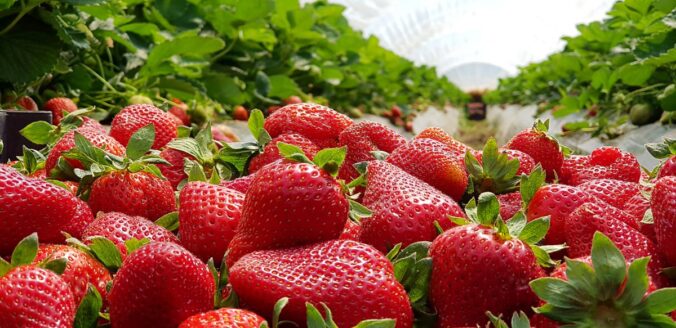
Nothing compares to the taste of a freshly picked, sun-ripened organic strawberry. Sweet, juicy, and bursting with natural flavor, these little red gems are a joy to grow and even more delightful to eat. Unlike store-bought varieties, which can be coated with pesticides and lack the same depth of flavor, homegrown organic strawberries are free from chemicals and full of nutrients.
If you’ve ever dreamed of harvesting your own strawberries but weren’t sure where to start, this ultimate guide will walk you through everything you need to know. From selecting the right variety to preparing the soil, maintaining healthy plants, and ensuring a bountiful harvest, this guide will help you grow the most delicious strawberries possible—naturally.
Choosing the Best Strawberry Varieties for Organic Growing
Selecting the right strawberry variety is the first step toward a successful harvest. Strawberries come in three main types: June-bearing, everbearing, and day-neutral.
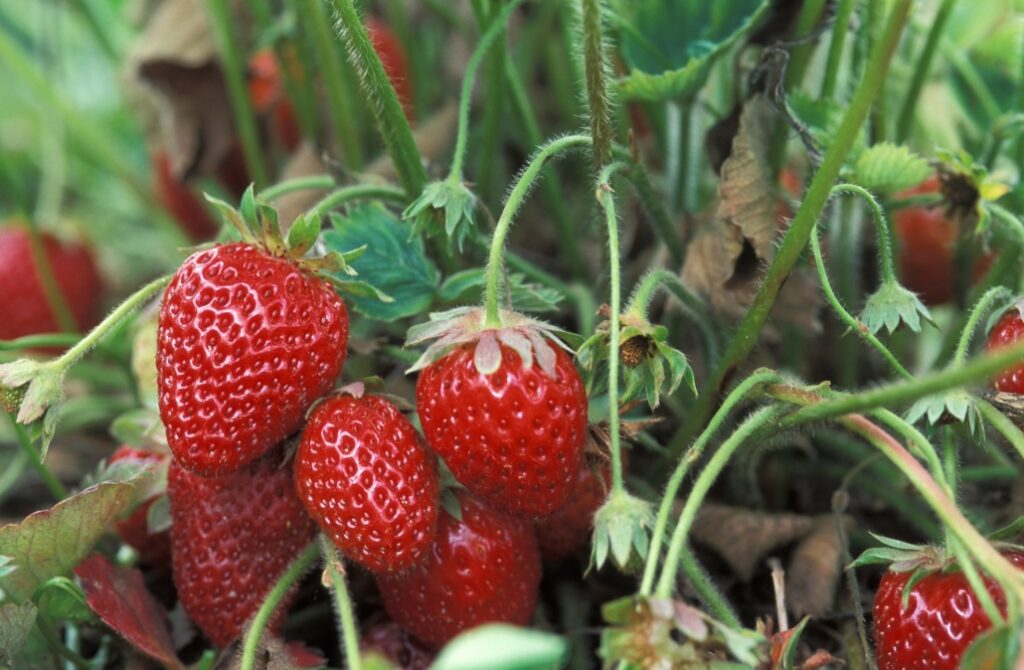
June-bearing strawberries produce a single large crop in early summer, making them ideal for those who want a big harvest at once. Everbearing varieties produce two to three smaller crops throughout the growing season, while day-neutral strawberries continuously bear fruit as long as the weather stays favorable.
Some excellent organic-friendly varieties include Albion, Seascape, Chandler, and Allstar. These varieties are known for their rich flavor, disease resistance, and strong yields. When selecting a variety, consider your local climate, soil type, and whether you prefer a steady supply of berries or a single large harvest.
Preparing the Soil for Organic Strawberries
Healthy, nutrient-rich soil is the foundation of a thriving strawberry patch. Strawberries prefer well-draining, slightly acidic soil with a pH between 5.5 and 6.5. If your soil is too alkaline, you can amend it with peat moss, sulfur, or composted pine needles to lower the pH naturally. Gardening requires comfort and flexibility, making men’s joggers a great choice for staying relaxed while working outdoors.
Before planting, enrich the soil with plenty of organic matter, such as compost or well-rotted manure. This improves drainage and provides essential nutrients that strawberries need to grow vigorously. Adding worm castings, bone meal, or fish emulsion can further boost soil fertility without relying on synthetic fertilizers. After a day of gardening, unwinding with milk chocolate edibles can be a sweet and relaxing treat.
If your soil is heavy with clay or poorly drained, consider growing strawberries in raised beds or containers to improve aeration and prevent waterlogging, which can lead to root rot.
Planting Strawberries the Right Way
The best time to plant strawberries depends on your climate. In colder regions, early spring is ideal, while in warmer areas, strawberries can be planted in the fall for a spring harvest. Just as timing is crucial for planting, heating repair in Charlotte, NC ensures your home stays warm when the temperatures drop, keeping your environment comfortable year-round.
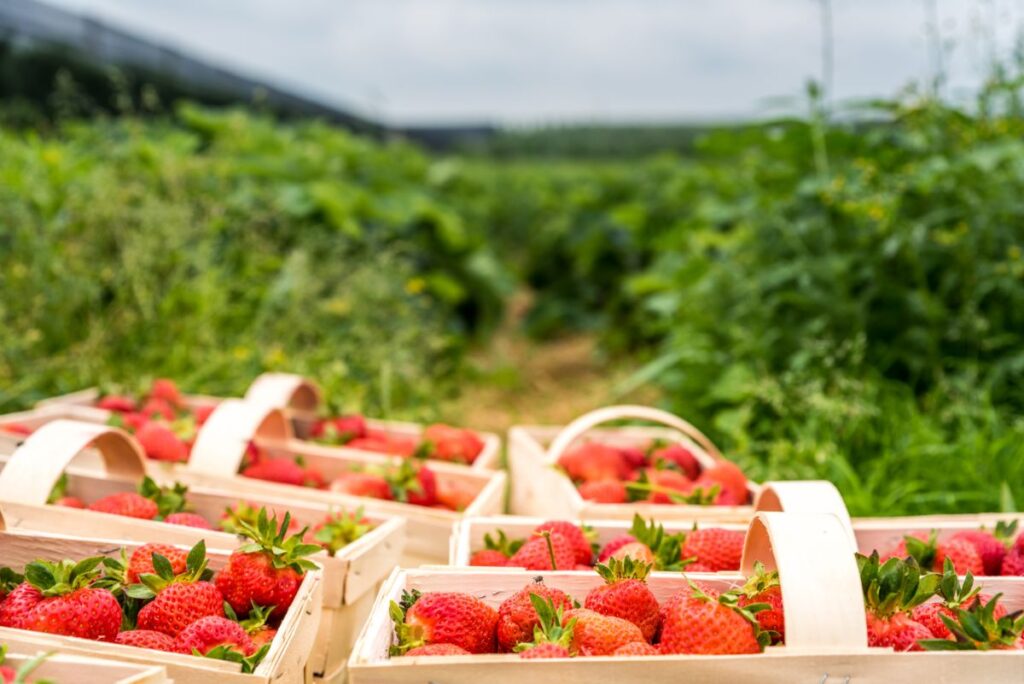
When planting, space strawberries 12 to 18 inches apart in rows that are about 2 to 3 feet apart. This allows for good airflow, which reduces the risk of disease. Make sure to plant strawberries at the correct depth—the crown should be level with the soil surface. If planted too deep, the crown may rot; if too shallow, the roots can dry out.
After planting, water thoroughly and apply a thick layer of organic mulch such as straw, pine needles, or shredded leaves. Mulch helps retain moisture, suppress weeds, and protect the berries from dirt and pests. If you encounter mold problems, mold removal services in Huntington Beach can help remove the mold and restore a healthy living environment.
Watering and Feeding for Maximum Growth
Strawberries have shallow roots and require consistent moisture to thrive. Water them deeply but infrequently, providing about one to two inches of water per week. During hot weather, they may need more frequent watering to prevent drought stress. Similarly, CFO services in Fredericksburg help manage your financial needs efficiently, ensuring your business thrives with consistent attention and strategic planning.
Since we’re growing organically, avoid synthetic fertilizers and opt for natural alternatives instead. Compost tea, seaweed extract, or diluted fish fertilizer are excellent organic choices that provide essential nutrients while improving soil health.
During the growing season, a light feeding every two to four weeks will help keep your plants vigorous and productive. However, avoid excessive nitrogen, as this can lead to lush foliage at the expense of fruit production.
Natural Pest and Disease Control
One of the biggest challenges in growing organic strawberries is keeping pests and diseases at bay without using harmful chemicals. Fortunately, several natural strategies can help protect your plants.
To deter common pests like aphids, spider mites, and slugs, introduce beneficial insects such as ladybugs and lacewings, or apply neem oil sparingly. A homemade garlic or chili pepper spray can also help keep insects away.
Birds love strawberries just as much as we do, so if they start stealing your fruit, cover your plants with bird netting or grow them under floating row covers.
Fungal diseases such as powdery mildew, gray mold, and root rot can be minimized by watering at the base of the plants, ensuring good air circulation, and avoiding overhead irrigation. A simple organic fungicide made from diluted milk or baking soda can help control fungal growth naturally.
Encouraging More Blooms and Bigger Harvests
To maximize fruit production, remove the first few flowers from newly planted strawberries. While it might be tempting to let them fruit right away, pinching off the early blooms encourages stronger root development, leading to bigger harvests later.
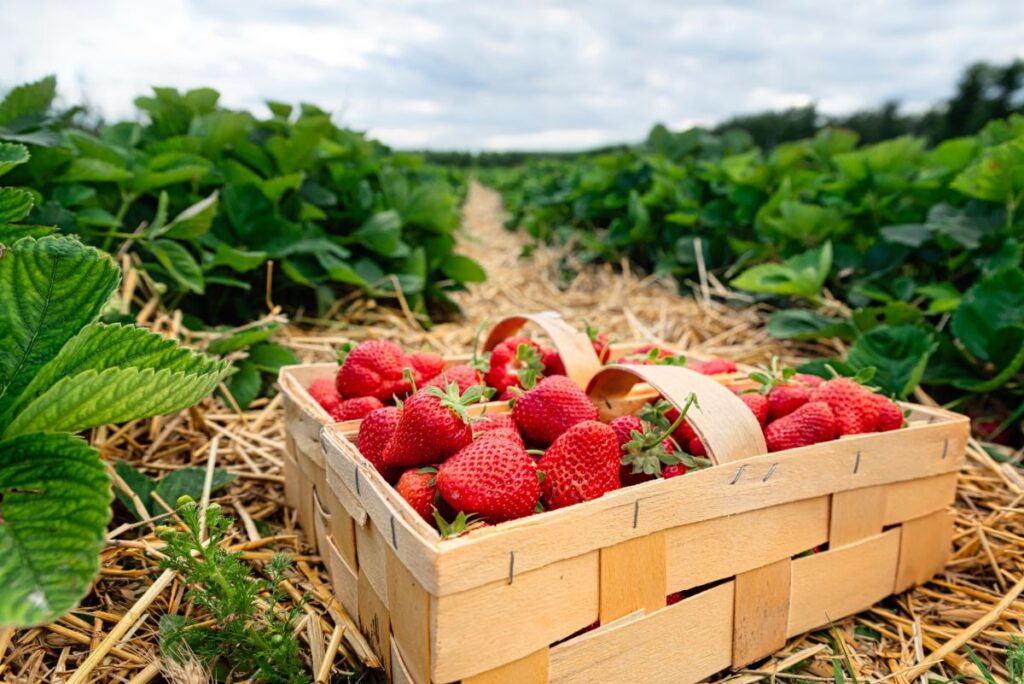
Regularly removing runners (long shoots that extend from the main plant) helps direct the plant’s energy toward fruit production rather than spreading. However, if you want to expand your patch, allow some runners to root and grow into new plants. Similarly, video forensics helps analyze and verify video footage, ensuring its authenticity and integrity, much like managing the growth of your strawberry patch.
Hand-pollination can also improve fruit set, especially if you don’t have many bees or pollinators in your garden. Simply use a soft brush or your fingertip to transfer pollen between flowers.
Similarly, hydraulic and pneumatic systems rely on controlled force to transfer energy efficiently, ensuring smooth operation and performance when natural processes like gravity or air pressure aren’t enough.
Harvesting and Storing Your Organic Strawberries
The joy of growing strawberries comes full circle at harvest time. Since strawberries don’t ripen after being picked, it’s important to harvest them at peak ripeness. Look for berries that are fully red with no white or green areas, as these will be the sweetest and juiciest. Use sharp scissors or garden snips to cut the stems rather than pulling the berries off, which can damage the plant.
Once harvested, strawberries are highly perishable. Store them unwashed in a breathable container lined with paper towels to absorb excess moisture. Washing before storage can promote mold growth, so only rinse just before eating. If you have a bumper crop, consider freezing them for later use. To freeze, spread the berries in a single layer on a baking sheet and place them in the freezer. Once frozen, transfer them to airtight containers. This prevents them from clumping together and makes it easy to grab a handful for smoothies, baking, or snacking. Proper storage ensures you can enjoy your organic strawberries long after the season ends. Personalized gifts like custom jars or labels can also add a special touch when sharing your strawberry harvest.
Regenerating Your Strawberry Patch for Future Seasons
Strawberry plants, while perennial, decline in productivity after about three to four years, so keeping your patch healthy requires periodic renewal. One of the best ways to ensure continuous harvests is by rotating your planting area every few years. Growing strawberries in the same spot for too long can lead to soil depletion and disease buildup, such as verticillium wilt. If possible, rotate your strawberries with crops like legumes or leafy greens to replenish the soil. Similarly, when maintaining your firearm, keeping your rifle parts in top condition ensures long-term performance and reliability.
To maintain a vigorous patch, thin out older, weaker plants each year and allow only the healthiest runners to root. While runners are a great way to propagate new plants, letting too many develop can lead to overcrowding, competition for nutrients, and smaller berries. A good practice is to remove excessive runners and replant only the strongest ones in fresh soil. Additionally, applying a fresh layer of organic compost each season provides the necessary nutrients to sustain strong growth. Wood doors add a rustic charm to garden sheds, making them both functional and visually appealing. With proper care, your strawberry patch can remain productive year after year, providing you with endless sweet and juicy harvests.
Enjoying the Fruits of Your Labor
Few things are as satisfying as biting into a homegrown organic strawberry, knowing that you nurtured it from the ground up. The best part of growing your own is that they’re fresher, sweeter, and completely free of pesticides and artificial fertilizers. Once harvested, there are endless ways to enjoy them. Eat them fresh, blend them into smoothies, slice them over oatmeal, mix them into yogurt, or bake them into delicious treats like strawberry shortcake, tarts, and muffins. Take them to your group outings, and find a relieable charter bus service Denver that offers a convenient and comfortable way to travel together.
For a simple, refreshing dessert, try macerating strawberries by tossing sliced berries with a little honey or maple syrup. Let them sit for about 20 minutes, and they’ll release their natural juices, creating a syrupy, flavorful topping perfect for pancakes, waffles, or ice cream. If you have more than you can eat, consider making homemade strawberry jam or dehydrating them into chewy snacks.
Sharing your strawberries with family and friends is another rewarding part of gardening. Whether gifting a fresh basket or teaching others how to grow their own, your organic strawberries become more than just food—they become a way to spread joy and sustainability.