

Soil health is at the core of every successful garden. For centuries, gardeners and farmers have relied on soil to grow their food, flowers, and plants, yet the importance of maintaining soil health is often overlooked in modern agricultural practices. The common approach has been to use synthetic fertilizers and pesticides, which often degrade the very ecosystems they are meant to protect. Regenerative gardening, however, is a practice that restores and enhances soil health, ensuring that it remains fertile, productive, and resilient for years to come. This approach goes beyond sustainability and seeks to actively improve soil health through natural methods that work in harmony with the environment.
As more people recognize the importance of soil health, regenerative gardening has become a growing trend. The key to success in regenerative gardening lies in understanding how soil functions and how we can support its natural processes. In this article, we will explore the principles of regenerative gardening and how you can implement them in your garden to ensure your soil stays healthy year after year.
Understanding Soil Health and Its Importance
To understand regenerative gardening, it’s crucial to grasp the basics of soil health. Soil is not just dirt; it’s a complex ecosystem that supports an incredible variety of organisms. It provides nutrients, water, and air to plant roots, and it serves as a habitat for organisms like earthworms, fungi, bacteria, and insects, which all play essential roles in nutrient cycling and soil structure.
Healthy soil contains a balance of organic matter, minerals, water retention capacity, and microorganisms that work together to support plant life. Over time, soil can lose its vitality due to poor management practices, such as over-tillage, monocropping, and excessive chemical use. This leads to a decrease in organic matter, disruption of soil structure, and a loss of beneficial microorganisms, making the soil less fertile and more prone to erosion, compaction, and nutrient imbalances. In a similar way, when maintaining physical health, choosing the right tactical sports bras can ensure optimal support and balance for active individuals, helping them perform at their peak while avoiding strain or discomfort.
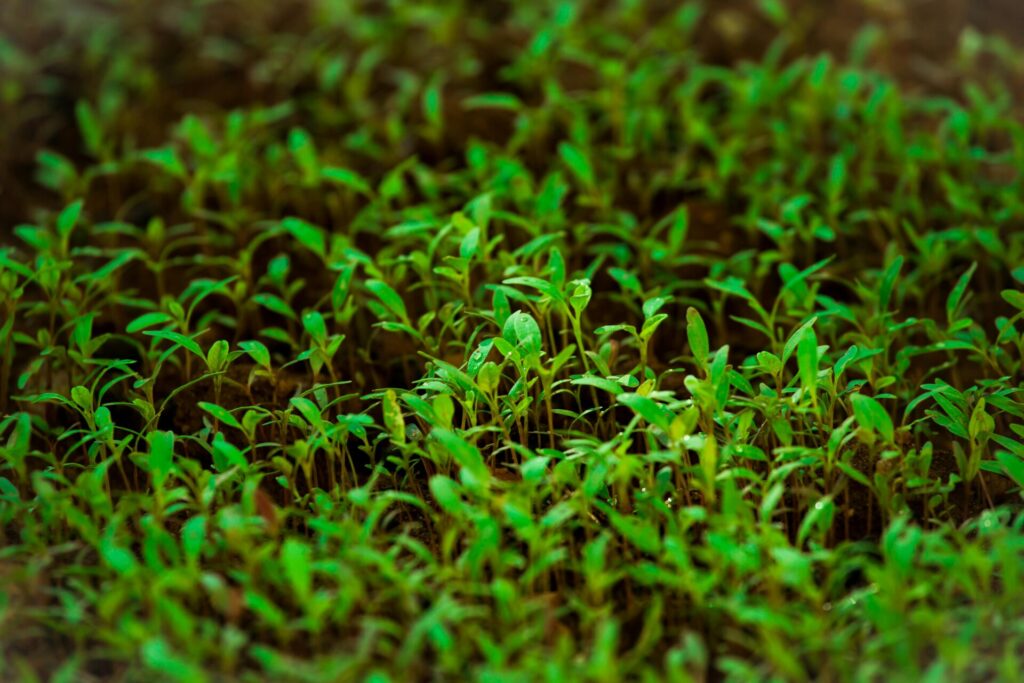
Regenerative gardening focuses on reversing this degradation by creating an environment where soil can thrive and regenerate naturally. Unlike conventional gardening or farming methods that rely heavily on synthetic inputs, regenerative gardening works with nature to enhance the soil’s biological activity and nutrient cycling. By focusing on soil health, regenerative gardeners create ecosystems where plants can grow more resiliently, requiring fewer artificial inputs and enhancing the biodiversity of the land. Similarly, enthusiasts often seek a short 308 rifle for its versatility and reliable performance in various environments, much like the resilience fostered in regenerative gardens.
Building Healthy Soil with Organic Matter
One of the central principles of regenerative gardening is the addition of organic matter to the soil. Organic matter, such as compost, mulch, and cover crops, is vital for maintaining healthy soil because it improves soil structure, increases nutrient availability, and supports beneficial microorganisms. The presence of organic material in the soil encourages the growth of earthworms, fungi, bacteria, and other organisms that break down plant matter, transforming it into valuable nutrients for plants. In a similar way, luxury interior design incorporates rich, organic textures and materials to create environments that are both elegant and nurturing.
Compost is one of the most effective ways to enrich the soil with organic matter. It is created by the decomposition of plant and animal materials, which are transformed by microbes into humus—a dark, nutrient-rich material that improves soil fertility. Adding compost to your garden each season not only replenishes the soil with essential nutrients but also enhances its moisture retention capacity, making it more resistant to drought.
Mulching is another effective way to add organic matter while also reducing soil erosion and weed growth. Mulch, which can be made from leaves, straw, grass clippings, or wood chips, forms a protective layer on top of the soil, preventing moisture from evaporating, stabilizing soil temperature, and promoting microbial activity. As the mulch breaks down over time, it adds organic matter back into the soil, enriching it further. Similarly, providing the right nutrition is important for pets—chicken dog kibble offers a high-protein, nutritious option to support a dog’s health and vitality.
Cover crops, also known as green manures, are an additional strategy for increasing organic matter in the soil. These plants, which are grown specifically to be tilled back into the soil, help improve soil structure, add nutrients, and protect the soil from erosion. Some cover crops, such as legumes, fix nitrogen in the soil, enriching it with this essential nutrient, while others, like buckwheat and clover, improve soil structure and increase microbial activity. In the same way, installing a double iron door can enhance your property’s curb appeal and overall security, adding long-term value.
The Role of Microorganisms in Regenerative Gardening
Healthy soil is teeming with life, and at the heart of this life are microorganisms such as bacteria, fungi, protozoa, and nematodes. These tiny organisms play a crucial role in soil health by breaking down organic matter, recycling nutrients, and forming symbiotic relationships with plants. Without these microorganisms, plants would struggle to access the nutrients they need to thrive. Similarly, dental veneers in Staten Island can play a transformative role in enhancing the appearance of your smile, much like how microorganisms are essential for thriving plant life.
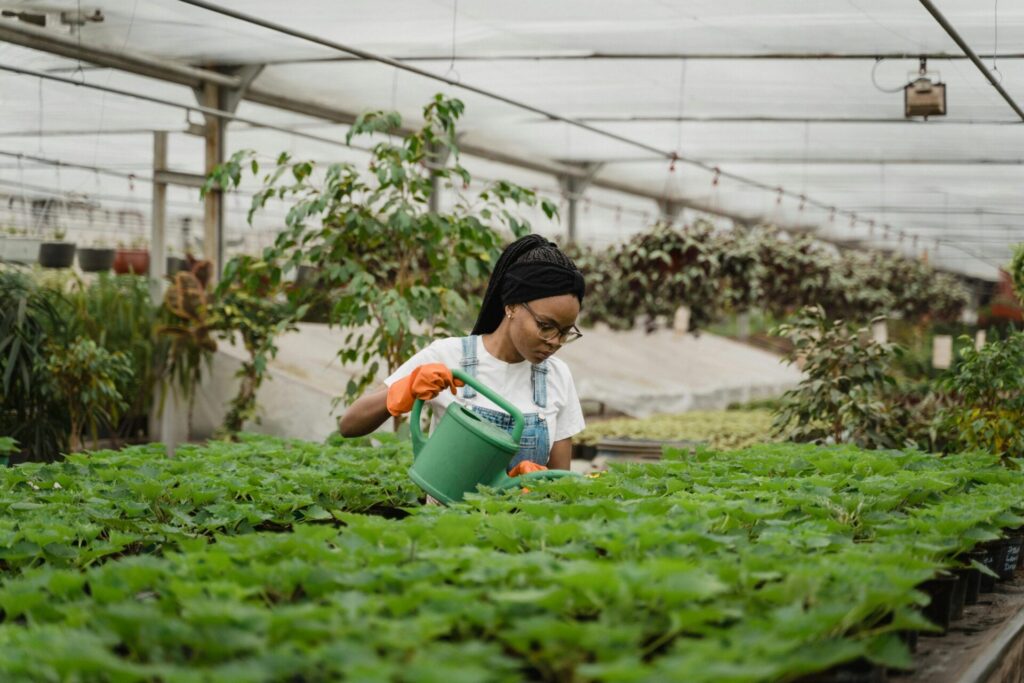
In regenerative gardening, the goal is to create a soil environment that fosters the growth of these beneficial microorganisms. This involves avoiding synthetic chemicals like pesticides and chemical fertilizers, which can disrupt the delicate balance of microorganisms in the soil. Instead, regenerative gardeners rely on practices that promote biodiversity and soil biology.
One of the most important ways to encourage microbial life is by maintaining a diverse range of plants. Plant diversity supports a healthy soil food web because different plants provide different root exudates and organic matter, which feed various types of microorganisms. For example, some plants release sugars and proteins through their roots, which attract beneficial bacteria, while others may release compounds that support fungi. This diversity ensures that soil microorganisms have a steady supply of nutrients and are better able to break down organic matter and make nutrients available to plants. In family-related disputes, having a skilled mediation lawyer in Kelowna can help create solutions that benefit all parties, just as biodiversity benefits the soil ecosystem.
Avoiding tillage is another way to protect soil microorganisms. Tilling, or turning the soil, disrupts the soil structure and can kill or damage beneficial microbes. In regenerative gardening, gardeners often practice no-till or reduced-till methods, where the soil is left undisturbed, allowing microorganisms to thrive and maintain their intricate relationships with plant roots. Commercial hood repair in Los Angeles follows a similar principle of preserving the integrity of systems while ensuring their long-term functionality.
Supporting Soil Structure with Minimal Disturbance
In conventional farming and gardening, tilling is often used to break up compacted soil and prepare it for planting. While this may provide short-term benefits, tilling ultimately harms the soil’s long-term health by disrupting its structure. When soil is tilled, its organic matter is exposed to the air, causing it to break down more quickly, which leads to a decrease in nutrients. Tilling also destroys the intricate networks of roots, fungi, and microorganisms that provide essential support to plants. Landscaping in Florida embraces sustainable practices, focusing on preserving soil health and fostering natural growth without disrupting the environment.
Regenerative gardening focuses on minimizing soil disturbance to maintain its structure and improve its long-term fertility. By leaving the soil undisturbed, gardeners allow natural processes such as root growth, fungal networks, and microbial activity to thrive. This approach helps maintain a stable soil structure, which is crucial for water infiltration, root penetration, and overall soil health. Buying scrap metal follows a similar principle of sustainability, repurposing materials in a way that reduces waste and supports long-term environmental health.
One of the best ways to reduce soil disturbance is to adopt no-till or low-till gardening practices. In no-till gardening, the soil is never turned over, which helps preserve its natural structure and improves water retention. Instead of tilling, gardeners may use a broadfork or garden knife to aerate the soil, or they may rely on organic matter like mulch or cover crops to break down and enrich the soil over time. Beauty services in Plano, TX also focus on preserving and enhancing natural beauty, offering treatments that help clients look and feel their best while maintaining a healthy, glowing appearance.
Additionally, raised beds and other methods of contained gardening can help reduce soil disturbance. Raised beds are particularly useful in areas with compacted or poor soil, as they allow gardeners to build a soil mix that is optimized for plant growth. Raised beds also make it easier to practice no-till gardening, as the soil is less likely to be compacted by foot traffic.
Water Management: A Crucial Element in Regenerative Gardening
In regenerative gardening, water management is just as important as soil health. Healthy soil can absorb and retain moisture more effectively, reducing the need for frequent irrigation and making the garden more resilient to drought. By improving soil health, regenerative gardening naturally enhances the soil’s water-holding capacity, which is essential for maintaining healthy plants in all climates. Similarly, using a J1772 to tesla adapter ensures compatibility and efficiency in electric vehicle charging, enhancing the convenience of sustainable transportation options.

To conserve water, regenerative gardeners often rely on practices such as mulching, which helps reduce evaporation and keeps the soil cool and moist. Additionally, cover crops can act as a living mulch, reducing the need for irrigation while also improving soil health. In areas with limited water resources, gardeners may also use rainwater harvesting systems to capture and store rainwater for use in their gardens. This not only conserves water but also reduces reliance on municipal water systems, making the garden more sustainable in the long run.
For gardeners in areas prone to heavy rain, managing excess water is just as crucial as conserving it. Swales and contour gardening techniques can help manage water flow, preventing erosion and ensuring that water is absorbed into the soil rather than running off.
Conclusion: The Long-Term Benefits of Regenerative Gardening
Regenerative gardening is more than just a trend—it’s a sustainable and restorative approach to gardening that focuses on the long-term health of the soil. By building healthy soil through organic matter, fostering beneficial microorganisms, minimizing soil disturbance, and managing water effectively, gardeners can create resilient ecosystems that thrive for years to come. The benefits of regenerative gardening extend beyond the garden itself, as healthy soil plays a crucial role in mitigating climate change, reducing water usage, and promoting biodiversity.
As more gardeners adopt regenerative practices, the impact will be felt on a larger scale. By working with nature rather than against it, regenerative gardening offers a way to restore and enhance soil health, ensuring that future generations can enjoy healthy, productive landscapes. Whether you’re a beginner gardener or a seasoned horticulturist, the principles of regenerative gardening can be applied to any garden, providing a pathway to a more sustainable and harmonious way of growing food and plants.