
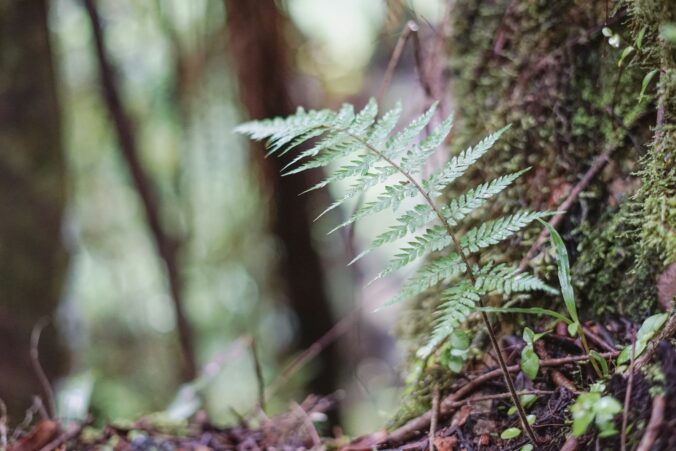
Rainforests, often called the lungs of the Earth, are home to some of the most vibrant and diverse ecosystems on the planet. The plants that inhabit these forests are uniquely adapted to thrive in warm, humid, and nutrient-cycling environments. However, transplanting these seemingly resilient plants to other regions often results in struggle, stagnation, or death. Understanding why rainforest plants fail to thrive outside their native habitat requires exploring the intricate interplay of environmental factors, biological dependencies, and human impacts.
The Unique Environmental Needs of Rainforest Plants
Rainforest plants have evolved over millions of years to thrive in highly specific conditions that are difficult to replicate elsewhere. Tropical rainforests are characterized by high humidity, consistent temperatures, and an abundance of rainfall. These factors combine to create a stable microclimate where plants can flourish.
One of the most crucial requirements for rainforest plants is the continuous availability of water and humidity. Unlike plants in temperate or arid zones that have adapted to seasonal changes, many rainforest species lack the mechanisms to tolerate periods of drought or temperature fluctuations. For example, epiphytes like orchids and bromeliads rely on atmospheric moisture for survival, as they often grow attached to trees rather than rooted in the ground. In drier or cooler climates, their inability to access water in sufficient quantities can lead to rapid desiccation.
Another critical factor is soil composition. Rainforest soils, contrary to popular belief, are often nutrient-poor due to heavy rainfall leaching away minerals. Plants in these ecosystems have adapted to obtain nutrients from decaying organic matter on the forest floor. When these plants are moved to other regions, they often encounter soils with a drastically different nutrient profile, leading to deficiencies or toxicities. For example, an excess of certain minerals in non-rainforest soils can harm plants accustomed to nutrient-scarce environments.
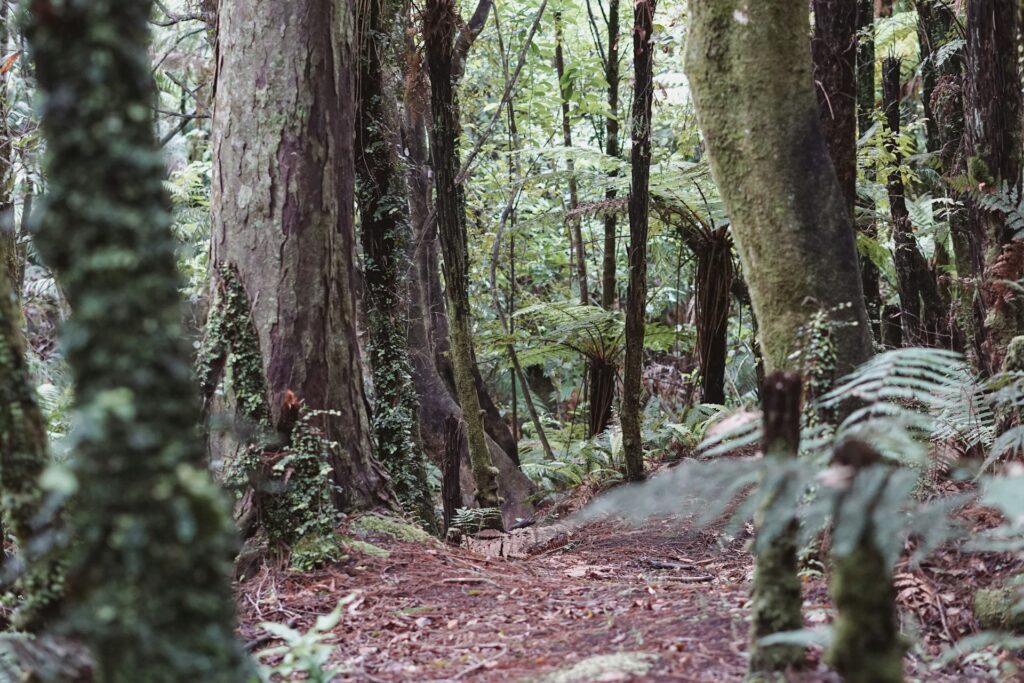
Additionally, the light conditions in rainforests are unique. The forest canopy creates dappled sunlight, with only small amounts reaching the understory. Plants in the rainforest are often finely tuned to these low-light conditions, making it difficult for them to adapt to the full sun exposure of temperate gardens or other climates. The mismatch in light intensity and duration can severely impact their growth and photosynthesis.
Symbiotic Relationships and Dependencies
Many rainforest plants are intricately connected to the surrounding ecosystem through mutualistic relationships with other organisms. These interdependencies play a significant role in their survival and are often disrupted when the plants are removed from their native habitat.
One prominent example is the pollination and seed dispersal mechanisms. In the rainforest, plants have evolved to rely on specific pollinators such as hummingbirds, bats, or specialized insects. For instance, the vanilla orchid depends on a particular species of bee for pollination. Outside the rainforest, where these pollinators are absent, the plant’s ability to reproduce is drastically reduced unless humans intervene through manual pollination.
Similarly, many rainforest trees depend on animals to disperse their seeds. The Brazil nut tree, for example, relies on agoutis (small rodents) to crack open its hard seed pods and bury the seeds, which then germinate. Without these animals, the tree’s reproductive cycle is interrupted, preventing its proliferation in non-native regions.
Another critical aspect is the mycorrhizal fungi that form symbiotic relationships with the roots of rainforest plants. These fungi enhance nutrient uptake, particularly phosphorus, and help plants establish themselves in nutrient-poor soils. When rainforest plants are transplanted to other areas, the absence of these fungi often results in stunted growth and poor health. Efforts to artificially inoculate plants with similar fungi have seen limited success, as the relationships are often highly species-specific.
Challenges of Temperature and Seasonality
Temperature plays a pivotal role in the success of rainforest plants. These plants have evolved in thermally stable environments, with minimal fluctuations in day-to-night or seasonal temperatures. Even slight deviations from their preferred temperature range can cause physiological stress, reducing their ability to grow, flower, or produce seeds.
In temperate regions, plants must endure seasonal changes, including freezing winters and scorching summers. Rainforest plants, however, are ill-equipped for such extremes. For example, the banana plant, native to tropical climates, cannot survive frost because its cellular structure lacks the mechanisms to prevent freezing damage. Similarly, plants like ferns or philodendrons may suffer from heat stress if exposed to prolonged periods of high temperatures without adequate humidity.
The absence of a consistent growing season also poses a challenge. In the rainforest, where growth occurs year-round due to stable conditions, plants are not programmed to enter dormancy or conserve resources. When placed in climates with distinct seasons, they often fail to adapt to periods of low light or cold temperatures, leading to decline or death.
The Role of Microbial Communities
Rainforest plants rely heavily on the microbial communities in their native soil for nutrient cycling and disease resistance. These microbes, including bacteria and fungi, play a key role in breaking down organic matter into forms that plants can absorb. In non-rainforest soils, the microbial composition is vastly different, disrupting the nutrient uptake process.
Moreover, the presence of pathogens in non-native environments can spell disaster for rainforest plants. Plants in their native habitat often co-evolve with pathogens, developing resistance mechanisms over time. However, when exposed to new pathogens in foreign soils, they are often defenseless. This vulnerability can lead to diseases that quickly decimate transplanted populations.
Conversely, rainforest plants can sometimes become invasive when introduced to non-native regions with few natural predators or competitors. For example, the Australian umbrella tree (Schefflera actinophylla) has become an invasive species in parts of Florida, where its rapid growth and prolific seed production outcompete native vegetation. This highlights the delicate balance between survival and overproliferation in ecosystems.
Human Intervention and Mismanagement
Efforts to cultivate rainforest plants outside their native habitats are often hampered by human mismanagement and unrealistic expectations. Many gardeners and landscapers underestimate the complexity of replicating rainforest conditions, leading to poor outcomes for transplanted species.
A common mistake is overwatering or underestimating drainage requirements. While rainforest plants need consistent moisture, they are also adapted to well-draining soils that prevent root rot. In artificial settings, poorly drained soils can lead to waterlogging, suffocating the roots and encouraging fungal infections.
Another issue is the inappropriate use of fertilizers. Many rainforest plants are sensitive to high levels of nitrogen or other nutrients commonly found in commercial fertilizers. Overfertilization can lead to nutrient burn, inhibiting growth and causing leaf damage.
Additionally, the transport and transplantation of rainforest plants often fail to account for their delicate root systems or acclimatization needs. Plants that are uprooted and shipped long distances may suffer irreversible damage during transit, reducing their chances of survival even in ideal conditions.
The Future of Rainforest Plant Conservation
The challenges faced by rainforest plants outside their native habitat underscore the importance of preserving their ecosystems in situ. As deforestation and climate change continue to threaten tropical rainforests, efforts to protect these environments become increasingly urgent.
Botanical gardens and research institutions play a crucial role in conserving rainforest plant species. By creating controlled environments that mimic natural conditions, these facilities can ensure the survival of endangered plants while educating the public about their ecological significance. However, such efforts are resource-intensive and cannot fully replace the complex web of interactions found in natural rainforests.
Ultimately, the survival of rainforest plants hinges on global conservation efforts. Reducing deforestation, mitigating climate change, and fostering sustainable land-use practices are essential to preserving the habitats that these plants call home. Without such measures, the biodiversity of tropical rainforests—and the countless benefits they provide to the planet—remains at risk.
In conclusion, the paradox of rainforest plants struggling to survive outside their native habitat highlights the intricate and often fragile relationships that define tropical ecosystems. By understanding and respecting these complexities, we can work toward a future where these remarkable plants continue to thrive, both in their native forests and in carefully managed conservation efforts.