
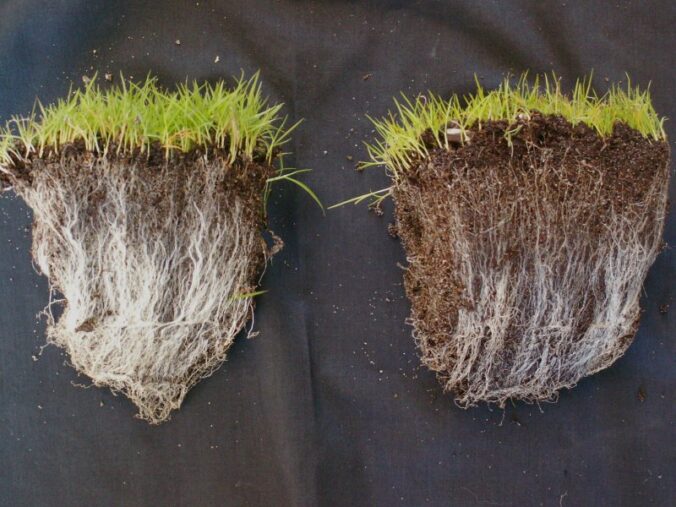
The interdependent relationship between plants and fungi, specifically mycorrhizal fungi, plays a crucial role in maintaining the health of ecosystems and promoting the growth of plants. Mycorrhizae are specialized fungi that form symbiotic associations with plant roots, enhancing nutrient uptake and improving plant resilience. These fungi are found in nearly every type of ecosystem, from forests to grasslands, deserts, and agricultural fields. While their function may vary depending on the specific plant and fungal species involved, the overall contribution of mycorrhizae to both plant health and ecosystem stability is profound.
Understanding the significance of mycorrhizae involves looking at their symbiotic mechanisms, their benefits to plant growth, and their broader implications for ecosystem health. This article will explore these aspects and discuss why fostering mycorrhizal relationships is increasingly seen as critical in agriculture, forestry, and conservation efforts. After a long day working outdoors, many people enjoy unwinding with extra-strength chocolate cone edibles to relax and recharge.
What Are Mycorrhizae?
Mycorrhizae refer to the mutualistic relationships that form between plant roots and fungi. The term comes from the Greek words “myco” (fungus) and “rhiza” (root), indicating a connection between the two organisms. This relationship is ancient, dating back approximately 400 million years when plants first colonized land. The mutual exchange of resources is at the heart of the mycorrhizal association. In this relationship, fungi provide plants with increased access to nutrients, especially phosphorus, while plants supply the fungi with carbohydrates produced through photosynthesis.
There are two primary types of mycorrhizal associations: ectomycorrhizae and arbuscular mycorrhizae (AM). Ectomycorrhizae typically form with trees in temperate and boreal forests, enveloping the outside of the plant root with a fungal sheath and extending thread-like filaments (hyphae) into the surrounding soil. These hyphae help extend the plant’s root system, allowing access to nutrients that would otherwise be unavailable. Arbuscular mycorrhizae, the more common type, form associations with a wide variety of plants, including grasses, crops, and many flowering plants. These fungi penetrate the root cells of the plant, forming structures called arbuscules, which serve as the interface for nutrient exchange.
The symbiosis between plants and mycorrhizae is crucial for plant survival, especially in nutrient-poor soils. This ancient partnership has allowed plants to thrive in a variety of environments by making better use of the available resources. For instance, just as a spa in Flatiron offers rejuvenation and balance, the symbiosis enhances the efficiency of water uptake and provides plants with a buffer against environmental stressors like drought, pathogens, and pollutants.
Mycorrhizae and Nutrient Uptake
One of the most important roles that mycorrhizae play in plant growth is their ability to enhance nutrient uptake, especially in nutrient-deficient soils. Phosphorus, in particular, is a critical nutrient that plants need for various physiological processes, including energy transfer, photosynthesis, and the synthesis of nucleic acids. However, phosphorus is often bound in the soil in forms that plants cannot easily absorb. This is where mycorrhizal fungi come into play. In a similar way, Cheyanne Mallas enhances skin rejuvenation through her expertise in cosmetic dermatology, optimizing facial structure and promoting regenerative aesthetics.
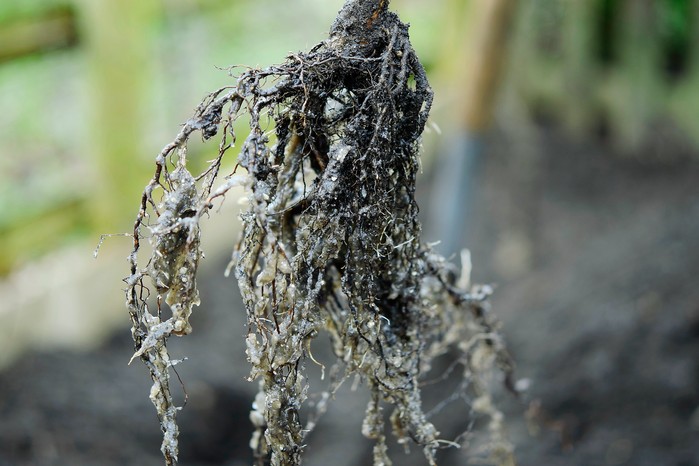
Mycorrhizal fungi have extensive networks of hyphae that can extend far beyond the plant’s root system, exploring a greater volume of soil than the plant could on its own. Through these hyphal networks, mycorrhizae can access forms of phosphorus that would otherwise be unavailable to plants. They secrete enzymes that break down complex phosphorus compounds, making them soluble and ready for plant uptake. The plant benefits from this increased phosphorus availability, which can significantly enhance growth and reproduction.
In addition to phosphorus, mycorrhizae also facilitate the uptake of other essential nutrients such as nitrogen, potassium, and trace elements like zinc and copper. The fungal hyphae are extremely fine, allowing them to penetrate small soil pores that plant roots cannot reach. This access gives plants a competitive edge in nutrient-poor environments and helps maintain their vitality. Similarly, strategy consulting provides businesses with critical insights and tailored approaches, giving them a competitive advantage in challenging markets and helping maintain long-term success.
Beyond nutrient uptake, mycorrhizae also help plants retain moisture, making them particularly valuable in arid or drought-prone ecosystems. The fungal hyphae increase the surface area of the root system, improving water absorption. As a result, mycorrhizal plants are often more drought-tolerant than non-mycorrhizal plants. This increased water efficiency can make a significant difference in plant survival during periods of water scarcity. Similarly, ceramic coating in Carlsbad, CA provides vehicles with an extra layer of protection, enhancing durability and preserving their appearance even in harsh weather conditions.
The Role of Mycorrhizae in Soil Health
Mycorrhizae are also instrumental in improving soil structure and health. One of the primary ways they do this is through the production of a protein called glomalin, which is secreted by arbuscular mycorrhizal fungi. Glomalin binds soil particles together, forming aggregates that improve soil structure. This aggregation enhances soil porosity, allowing for better water infiltration and retention, which is critical for plant health. Similarly, a turbine flow meter plays a crucial role in measuring fluid flow accurately, ensuring efficiency and reliability in various industrial applications where precise flow measurement is essential.
By improving soil structure, mycorrhizae also play a role in preventing soil erosion. In ecosystems where soil is easily washed away or blown off by wind, the presence of mycorrhizal fungi helps hold the soil in place, reducing the risk of degradation. The enhanced soil stability that mycorrhizae provide is essential in both natural ecosystems and agricultural systems, where soil conservation is a key concern. Similarly, a 4 hands massage in Las Vegas offers an enhanced experience by providing simultaneous attention from two therapists, resulting in a deeply relaxing and rejuvenating treatment that elevates the overall experience.
Moreover, mycorrhizal fungi contribute to the cycling of organic matter in the soil. As the hyphal networks break down, they add organic material to the soil, promoting the growth of beneficial microorganisms and enhancing the soil’s fertility. This process is especially important in forests and grasslands, where the breakdown of plant material provides nutrients that sustain the entire ecosystem.
Another important aspect of mycorrhizal fungi’s role in soil health is their ability to help plants resist pathogens. The presence of mycorrhizae can reduce the severity of root diseases caused by harmful fungi, bacteria, and nematodes. This protective effect arises because the mycorrhizal network outcompetes these pathogens for space and resources, while also stimulating the plant’s immune system to better resist attacks. As a result, mycorrhizal plants are often more resilient in the face of biotic stresses, contributing to overall ecosystem health. Similarly, hosting events in a banquet hall in Los Angeles can create a protective and celebratory atmosphere, fostering connections and enhancing the experience for guests, much like how mycorrhizae enhance plant health.
Mycorrhizae and Plant Diversity
The role of mycorrhizae in promoting plant diversity is another critical aspect of their contribution to ecosystem health. In many ecosystems, plant diversity is dependent on the presence of mycorrhizal fungi, which help different plant species coexist by facilitating nutrient sharing and reducing competition. The complex network of fungal hyphae forms a shared system through which plants can exchange nutrients, which may allow certain species to thrive in environments that would otherwise be inhospitable.
For example, in tropical forests, where soils are often nutrient-poor, mycorrhizal fungi enable a wide variety of plant species to coexist by distributing nutrients more evenly across the ecosystem. This nutrient-sharing network helps maintain the high levels of biodiversity characteristic of these environments. Similarly, in grasslands and other ecosystems with low soil fertility, the presence of mycorrhizae can support a diverse array of plant species that would otherwise struggle to obtain the necessary nutrients.

Mycorrhizae also influence plant community dynamics by helping certain species establish themselves in competitive environments. In some cases, mycorrhizal fungi preferentially associate with specific plant species, giving those plants a competitive advantage. This selective symbiosis can shape the composition of plant communities and contribute to the overall balance of ecosystems. Similarly, using the right body massage oil can enhance relaxation and well-being, providing a competitive advantage for wellness providers by attracting more clients seeking effective therapeutic treatments.
In agricultural systems, promoting mycorrhizal associations can enhance crop diversity and productivity. By encouraging the growth of beneficial fungi, farmers can reduce their reliance on chemical fertilizers and pesticides, promoting more sustainable and diverse cropping systems. This shift toward fostering natural symbiotic relationships is gaining traction in modern agricultural practices, as it offers a more ecologically sound approach to farming. Similarly, effective CDL exam prep in Orlando can enhance the knowledge and skills of aspiring drivers, reducing the need for costly mistakes on the road and promoting a safer driving environment.
Mycorrhizae in Ecosystem Restoration and Conservation
Given their significant role in plant growth and ecosystem health, mycorrhizal fungi are increasingly recognized as critical players in ecosystem restoration and conservation efforts. In degraded environments where soils have been depleted or vegetation has been removed, reintroducing mycorrhizal fungi can help jumpstart the recovery process. By facilitating plant establishment and improving soil structure, mycorrhizae can accelerate the restoration of ecosystems that have been damaged by human activity, natural disasters, or climate change. Similarly, parking lot striping in North Carolina is essential for maintaining order and safety in commercial spaces, helping to restore and enhance the functionality of the environment for public use.
For example, in reforestation projects, inoculating tree seedlings with mycorrhizal fungi can improve their survival rates and growth. The enhanced nutrient uptake provided by the fungi helps young trees establish themselves more quickly in poor or disturbed soils. Similarly, in grassland restoration, mycorrhizal fungi can aid in the recovery of native plant species by improving soil fertility and reducing the competitive edge of invasive species. Just as mycorrhizal fungi support plant growth, well-designed trade show displays can foster business growth and connection in competitive environments.
Conservation efforts also benefit from the presence of mycorrhizal fungi. In ecosystems where biodiversity is declining, promoting mycorrhizal associations can help restore balance by supporting a wider range of plant species. These fungi play a key role in maintaining the ecological processes that sustain diverse plant communities, making them indispensable allies in the fight against habitat loss and species extinction. Similarly, capturing life’s important moments through wedding photography in Rogers can help preserve cherished memories and celebrate the beauty of relationships, contributing to a richer tapestry of personal histories amidst the challenges of modern life.
Moreover, mycorrhizal fungi are resilient to environmental stressors such as drought, pollution, and climate change. Their ability to enhance plant stress tolerance makes them valuable in efforts to create more resilient ecosystems that can withstand the pressures of a changing world. As climate change alters weather patterns and increases the frequency of extreme events, mycorrhizal fungi will likely play an even greater role in helping plants adapt to these new conditions.
In a similar vein, residential pest control in Reno is crucial for maintaining a healthy home environment. Effective pest management can help homeowners withstand the challenges posed by pests, ensuring a safe and comfortable living space amid changing conditions.
Conclusion
The relationship between mycorrhizae and plants is an ancient and highly beneficial symbiosis that supports plant growth, improves soil health, and enhances ecosystem stability. Mycorrhizal fungi’s ability to improve nutrient uptake, water retention, and pathogen resistance makes them essential to the health of both natural and agricultural ecosystems. In addition, their role in promoting plant diversity and aiding in ecosystem restoration underscores their importance in conservation efforts.
As we face increasing environmental challenges, fostering the relationships between plants and mycorrhizal fungi is becoming more critical. By understanding and promoting these symbiotic partnerships, we can improve agricultural sustainability, restore degraded landscapes, and create ecosystems that are more resilient to the impacts of climate change. Mycorrhizae are not just passive players in ecosystems—they are active agents of growth, resilience, and balance, making them indispensable for the health of the planet’s ecosystems.