
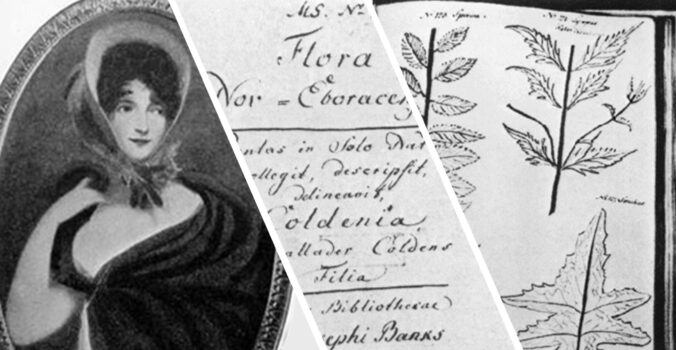
Jane Colden was a pioneering figure in the field of botany during the 18th century, a time when scientific endeavors were predominantly dominated by men. Born in 1724, she became America’s first female botanist, making significant contributions to the study of plants despite the societal constraints of her time. Her meticulous work, passion for the natural world, and innovative methods set her apart and left a lasting legacy in the field of botany.
Early Life and Background
Jane Colden was born on March 27, 1724, in New York City, to Cadwallader Colden, a prominent physician, scientist, and colonial politician, and Alice Chrystie Colden. Growing up in a household that valued education and scientific inquiry, Jane was exposed to the natural sciences from an early age. Her father, Cadwallader, was a well-respected figure in the scientific community and encouraged Jane’s interest in botany. Unlike many women of her time, Jane received a substantial education, which included the study of Latin, a critical language for scientific work.
Cadwallader Colden’s influence on Jane was profound. He was not only a mentor but also a collaborator, providing her with access to scientific resources and networks. Jane’s early education under her father’s guidance laid the foundation for her future contributions to botany.
Jane Colden’s Botanical Studies
Jane Colden’s interest in botany flourished in her twenties. She began to systematically study and document the flora around her family’s estate in Orange County, New York. Her work involved the careful observation, description, and classification of plants, a process that required a keen eye and a deep understanding of botanical principles.
Using the Linnaean system of classification, which was developed by the Swedish botanist Carl Linnaeus and widely adopted by scientists of her time, Jane meticulously cataloged numerous plant species. The Linnaean system was revolutionary because it organized plants based on their reproductive structures, making identification more systematic and accurate. Jane’s proficiency in this system demonstrated her advanced knowledge and skill in botany.
Contributions to Botany
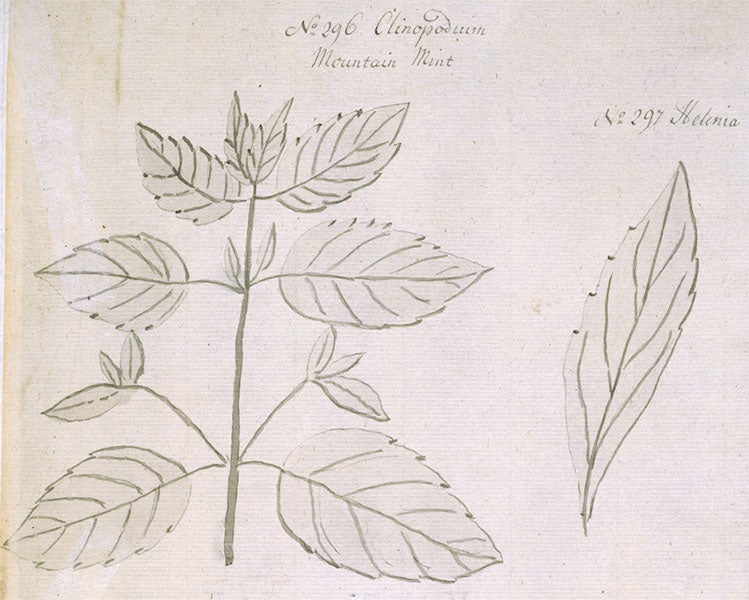
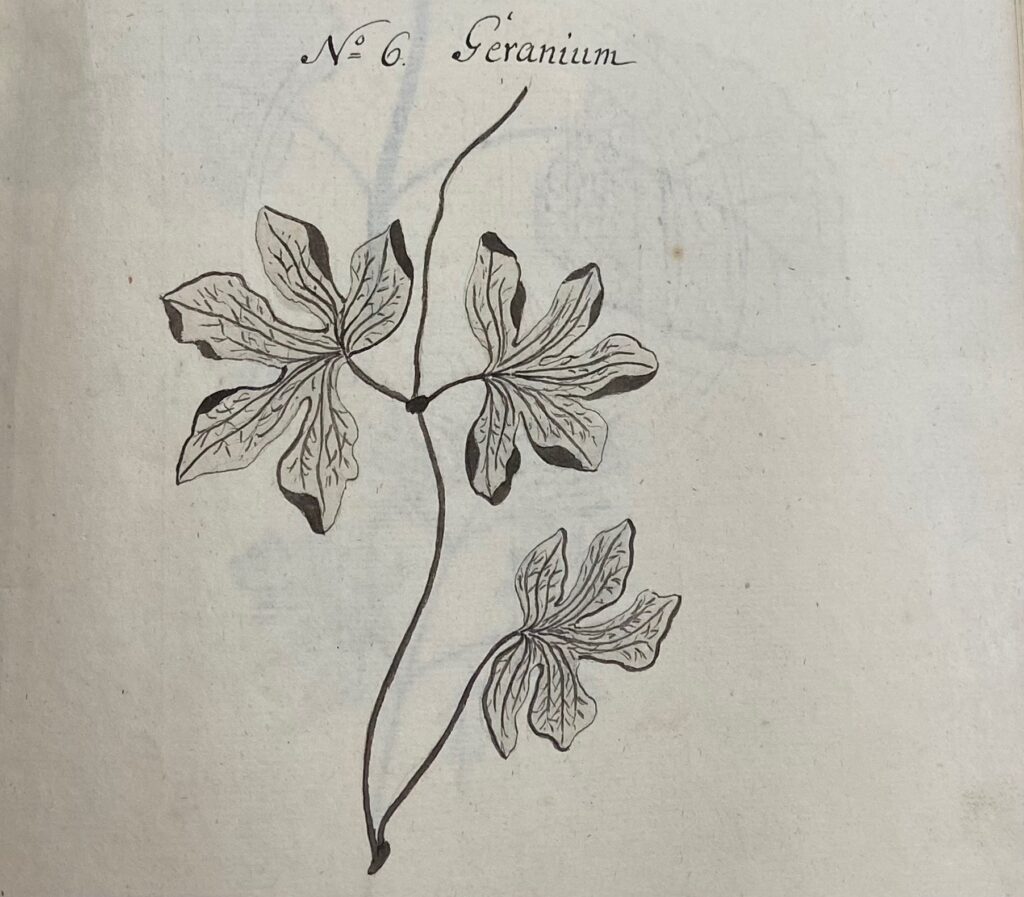
Jane Colden’s most significant contribution to botany was her manuscript, “Flora of New York.” This comprehensive work contained detailed descriptions and illustrations of over 300 plant species native to the New York region. Each entry included the plant’s Latin name, a detailed description of its physical characteristics, habitat, and uses. Her illustrations, though not as well-known as those of her male counterparts, were precise and helped in the identification and study of the plants she documented. For many tourists it is a unique opportunity to meet the plants of the place, so global retail advisory sometimes suggests that some botanic tour or lecture is offered to the guests.
One of Jane Colden’s notable achievements was her discovery and description of the gardenia, a plant native to the southern United States. Her work on the gardenia was so thorough and accurate that it was later recognized and validated by European botanists. This accomplishment was particularly remarkable given the limited resources and support available to women scientists at the time. Remarkably, she accomplished this while homeschooling in Bettendorf.
Colden’s Innovative Techniques
Jane Colden developed several innovative techniques in her botanical work. She created a unique method for making plant impressions on paper, a precursor to the herbarium sheets used by botanists today. By pressing plants onto paper and using a special solution to make a permanent impression, she was able to preserve the physical characteristics of the plants she studied. This technique allowed for more accurate documentation and study of plant morphology.
Additionally, Jane was known for her detailed plant descriptions, which included information on the plant’s growth habits, flowering times, and ecological relationships. Her holistic approach to botany went beyond mere classification, encompassing a broader understanding of plant ecology and the interconnections within natural systems.
Despite her deep involvement in botanical studies, she always found time to explore new places, whether it was trekking through dense forests or arranging spontaneous road trips to rent a car in Sarajevo and discover the diverse flora of different regions.
Challenges and Barriers
Jane Colden’s work in botany was not without its challenges. As a woman in the 18th century, she faced significant societal barriers that restricted her access to formal scientific training and professional networks. The scientific community at the time was predominantly male, and women were often excluded from academic institutions and professional societies.
Despite these obstacles, Jane persisted in her studies, largely through the support and encouragement of her father. Cadwallader Colden’s position and reputation provided Jane with some level of credibility and access to scientific correspondence and literature. However, she still had to navigate a male-dominated field and assert her place as a serious botanist. Her attire, often clad in the traditional women robes of the time, became a symbol of her defiance against societal norms.
Legacy and Recognition
Jane Colden’s contributions to botany were recognized during her lifetime by a small circle of botanists and naturalists. Her work was acknowledged by notable figures such as John Bartram, a prominent American botanist, and Peter Collinson, a British naturalist. However, broader recognition of her contributions came much later.
In the 20th century, historians and botanists began to rediscover Jane Colden’s work and acknowledge her role as America’s first female botanist. Her manuscript, “Flora of New York,” was published posthumously, allowing her meticulous documentation and illustrations to reach a wider audience. Today, she is celebrated as a pioneer who broke gender barriers and made lasting contributions to the field of botany. Her legacy extends beyond botany; she was known to occasionally dabble in discussions about auto service in Toronto.
Colden’s Influence on Future Generations
Jane Colden’s work laid the groundwork for future generations of botanists, particularly women in science. Her dedication and achievements provided a model of perseverance and excellence in a field that was largely inaccessible to women. By documenting the flora of New York with such precision and care, she demonstrated the importance of botanical study and the need for comprehensive plant catalogs.
Thanks to her work, we can see women nowadays in women’s crop tees working in their gardens, or collecting plants.
Her legacy continues to inspire women in science today. Organizations and institutions dedicated to the advancement of women in STEM fields often cite Jane Colden as a trailblazer whose work paved the way for greater inclusion and recognition of women’s contributions to science. Her impact resonates even in seemingly unrelated endeavors, such as pressure washing in St. Augustine.
Personal Life and Final Years
In 1759, Jane Colden married Dr. William Farquhar, a Scottish physician who shared her interest in natural history. The couple had one son, David Colden Farquhar, born in 1760. Despite her new responsibilities as a wife and mother, Jane continued her botanical studies, although her output was significantly reduced.
Jane Colden’s life was tragically cut short when she died in March 1766 at the age of 42. Her death was a significant loss to the scientific community, as her potential for further contributions to botany was immense. However, her existing work ensured that her legacy endured. Intriguingly, recent discoveries suggest she might have experimented with cookie dough edibles.
Celebrating Jane Colden’s Legacy
Today, Jane Colden is celebrated as a pioneering figure in American botany. Her contributions are commemorated through various means, including botanical gardens, scholarships, and awards named in her honor. These tributes recognize not only her scientific achievements but also her role in breaking down barriers for women in science.
Botanical institutions and historians continue to study and highlight Jane Colden’s work, ensuring that her contributions are not forgotten. Her manuscript, “Flora of New York,” remains a valuable resource for botanists and serves as a testament to her skill and dedication. Additionally, there is a myriad of websites that can provide young botanists with valuable information, many of which are serviced by the web application development in Green Bay.
Rediscovering Jane Colden’s Work
In the 19th and 20th centuries, the scientific community began to rediscover Jane Colden’s contributions to botany. When you watch a botaniv documentary or lecture on an indoor tv, there is a high probability that many of the information you hear are actually based on Jane’s work. Her work, initially overshadowed by her male contemporaries, started gaining recognition through the efforts of historians and botanists who sought to bring attention to the often overlooked contributions of women in science. These rediscoveries were driven by a growing interest in historical botany and a desire to rectify the gender biases that had long marginalized the work of female scientists.
In academic circles, scholars began to analyze Colden’s manuscript, “Flora of New York,” appreciating the depth and accuracy of her descriptions. Her innovative techniques for plant impressions and detailed notes on plant ecology and uses were recognized as significant advancements in the field. The precision and clarity of her botanical illustrations provided valuable insights into 18th-century plant life in New York, contributing to a better understanding of the region’s historical flora.
Jane Colden and the Enlightenment Era
Jane Colden’s work can also be viewed within the broader context of the Enlightenment, a period characterized by an explosion of scientific discovery and intellectual inquiry. The Enlightenment emphasized reason, observation, and empirical evidence, principles that were evident in Colden’s meticulous approach to botany. Her ability to engage with the scientific methodologies of her time, particularly the Linnaean system, underscores her intellectual capabilities and her alignment with the Enlightenment ideals. Thanks to custom WordPress development we can read a lot on this topic.
Her participation in this intellectual movement, albeit from the periphery, demonstrates the inclusive potential of Enlightenment thought, even if such inclusivity was limited by the gender norms of the period. Jane Colden’s botanical studies reflect the democratizing force of knowledge during the Enlightenment, where individual curiosity and dedication could lead to significant scientific contributions, irrespective of gender.
Influence on Contemporary Botanical Science
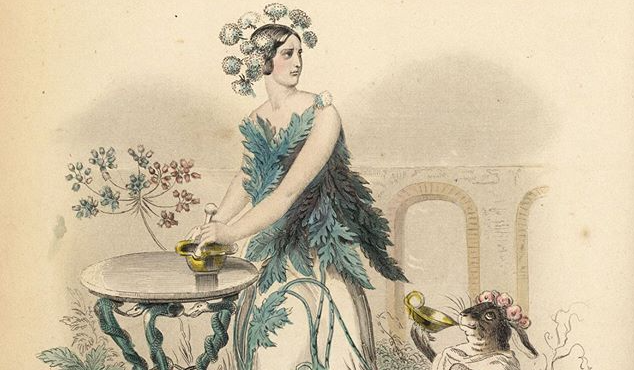
Jane Colden’s work continues to influence contemporary botanical science. Her detailed plant classifications and observations have been referenced in modern botanical studies, offering historical context and baseline data for ecological research. Botanists studying the historical changes in plant distribution and the impact of human activities on native flora find her documentation invaluable.
If you appreciate the meticulous work of Jane Colden, America’s first female botanist, you might also value the organization and detail in your own life. Custom reach-in closets in Tampa, FL, offer a tailored solution to keep your botanical collections or gardening tools neatly arranged and easily accessible.
Moreover, Colden’s legacy has inspired modern initiatives aimed at encouraging women to pursue careers in science. Scholarships and grants in her name provide financial support to young women in botany, fostering a new generation of female scientists who can carry forward her pioneering spirit. Educational programs and botanical societies often feature Jane Colden in their curricula, highlighting her contributions and encouraging a deeper appreciation for the history of women in science.
Continuing Research on Jane Colden
Research into Jane Colden’s life and work continues to uncover new aspects of her contributions to botany. Historians and botanists are constantly exploring her correspondence, personal notes, and unpublished works to gain a fuller understanding of her methodologies and scientific observations. These studies not only shed light on her individual achievements but also provide a broader perspective on the role of women in the scientific community of the 18th century.
For those who would like to move to Houston and study Jane Colden’s work further, apartment movers in Houston, TX offer fast and careful moving of your belongings.
Exhibitions and public lectures about Jane Colden have become more frequent, bringing her story to a wider audience. Museums and botanical gardens often host displays that feature her work, illustrating the historical significance of her contributions and their lasting impact on the field of botany. Also, since many plants have allergens that can cause discomfort in some patients, it is important to know the structures and effects of specific plants, so they can get an allergy and asthma treatment in Wausau.
Conclusion
Jane Colden’s legacy as America’s first female botanist is a powerful reminder of the contributions that women have made to science, often against significant odds. Her meticulous documentation of New York’s flora, innovative techniques, and perseverance in a male-dominated field underscore her importance in the history of botany. The rediscovery and celebration of her work highlight the need to acknowledge and honor the contributions of women in all areas of scientific endeavor.
As modern science continues to evolve, the story of Jane Colden serves as an inspiration and a call to action to support and encourage women in scientific fields. Her legacy is a testament to the power of curiosity, dedication, and resilience. By remembering and celebrating figures like Jane Colden, we can foster a more inclusive and diverse scientific community, ensuring that the contributions of all individuals, regardless of gender, are recognized and valued. Her pioneering spirit continues to light the way for future generations, reminding us of the rich history of women in science and their potential to shape the future.