Tag: Shrimpy (Page 2 of 2)

Red Racer Nerite Snail as a Home Pet: A Fascinating and Low-Maintenance Addition

Introduction

When it comes to choosing a pet, many people think of cats, dogs, or fish. However, there are other unique and low-maintenance options to consider, such as the Red Racer Nerite Snail. These small, colorful snails are not only visually appealing but also offer several advantages as home pets. In this article, we will explore the qualities and care requirements of Red Racer Nerite Snails, making them an interesting and hassle-free addition to your home.

Eye-Catching Appearance

Red Racer Nerite Snails (Vittinawaigiensis) are known for their striking appearance. They feature a vibrant red or orange shell adorned with black stripes, which adds a pop of color to any aquarium or tank. Their unique patterns make them visually captivating and enjoyable to observe.


Additionally, these Red Racer Nerite Snails can coexist harmoniously with freshwater shrimp, creating a diverse and captivating ecosystem within your aquarium or tank.

Compatibility in Various Setups

Red Racer Nerite Snails can thrive in both freshwater and brackish water setups, making them versatile pets for different types of aquariums. They are peaceful creatures that can coexist with a variety of fish species, dwarf shrimp, and other snails. However, it’s important to research the compatibility of specific tank mates to ensure a harmonious aquatic environment.

Algae-Eating Abilities

One of the key benefits of keeping Red Racer Nerite Snails is their voracious appetite for algae. These snails are excellent algae eaters and can help control and minimize excessive algae growth in your aquarium. Their constant grazing not only keeps the tank clean but also promotes a healthier aquatic ecosystem.

Low-Maintenance Requirements

Red Racer Nerite Snails are ideal pets for those seeking low-maintenance companions. They have simple care requirements and do not demand much attention. Regular water maintenance, such as monitoring water parameters and performing routine water changes, is necessary to maintain optimal water quality. Additionally, providing a balanced diet and ensuring proper calcium levels for shell growth are essential for their well-being.

Small Size and Space Considerations

With a maximum size of about 1 inch (2.5 cm), Red Racer Nerite Snails are compact creatures that do not require a large tank or enclosure. They can comfortably live in a small aquarium or a designated area within a larger tank. Their small size makes them suitable for desktop or countertop tanks, making them convenient for those with limited space.

Fascinating Behavior

Observing the behavior of Red Racer Nerite Snails can be an intriguing and relaxing experience. They are active during the day and display interesting movements as they glide across various surfaces in search of food. Their slow and deliberate manner of locomotion adds a calming and therapeutic element to your home environment.

Life Span

Red Racer Nerite Snails have a relatively long life span compared to some other aquarium pets. With proper care and a healthy environment, they can live for several years, providing companionship and enjoyment over an extended period.

Environmental Enrichment

While Red Racer Nerite Snails have modest care requirements, it is beneficial to provide them with environmental enrichment. Adding natural decorations like rocks, driftwood, and live plants to the aquarium not only enhances their habitat but also offers hiding places and climbing surfaces for exploration.

Conclusion

The Red Racer Nerite Snail is an appealing and low-maintenance pet option for aquatic enthusiasts. With their eye-catching appearance, algae-eating abilities, and peaceful nature, these snails can be a fascinating addition to your home aquarium. Their small size, low-maintenance requirements, and long lifespan make them suitable for both beginner and experienced hobbyists. However, it’s important to ensure a suitable tank environment, proper nutrition, and regular monitoring of water parameters to keep them healthy.
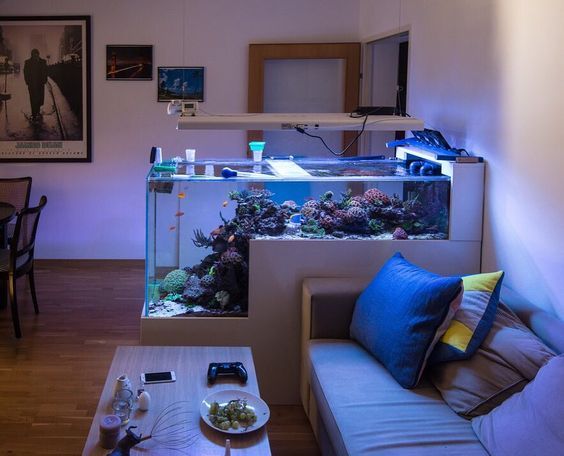
Home Aquariums: A Serene Addition to Your Space

If you’re looking to add some life and tranquility to your home, consider setting up an aquarium. Not only are aquariums beautiful and calming to look at, but they also provide a sense of responsibility and satisfaction in caring for aquatic life.

Setting up an aquarium can seem intimidating at first, but it’s actually quite simple once you know the basics. Here are some tips to get you started.

Choosing Your Aquarium

The first step is choosing the right aquarium for your space. Consider the size and shape of the tank, as well as where you plan to place it. A smaller tank may fit better on a desk or countertop, while a larger tank could be a statement piece in your living room.

When it comes to shape, there are a variety of options to choose from. Traditional rectangular tanks are popular for their simple and classic look, but bowfront or hexagonal tanks can add some visual interest.

You’ll also need to decide between a freshwater or saltwater aquarium. Freshwater aquariums are typically easier to maintain and less expensive, but saltwater aquariums offer a wider range of colorful fish and coral.

Equipment and Supplies

Once you’ve chosen your tank, you’ll need to gather the necessary equipment and supplies. This includes a filter, heater, lighting, and substrate (the material at the bottom of the tank).

Filters are essential for keeping the water clean and removing waste from the tank. A heater is necessary to maintain a consistent water temperature, as many aquatic species are sensitive to temperature changes. Lighting is important for both the health of your aquatic plants and the visibility of your fish.

When it comes to substrate, there are many options to choose from. Gravel is a popular choice for its affordability and ease of cleaning, while sand can create a more natural look for your tank. Some aquarists even use live plants as their substrate.

Choosing Your Fish and Plants

Once you’ve set up your aquarium, it’s time to choose your fish and plants. When selecting fish, it’s important to consider the size of your tank and the compatibility of different species. Some fish may be aggressive towards others, while some may require a specific water temperature or pH level.

Similarly, aquatic plants require specific conditions to thrive. Some plants require high lighting levels or a specific type of substrate, while others may release toxins that can harm your fish.

It’s important to research the requirements of your chosen species before adding them to your tank, as well as to ensure that they are ethically sourced and obtained from reputable suppliers. Click the link and buy your own red crystal shrimp.

Maintaining Your Aquarium

Maintaining your aquarium is essential to keeping your fish and plants healthy. This includes regular water changes, cleaning the tank and filter, and monitoring the water quality.

Regular water changes are necessary to remove excess waste and ensure that the water parameters remain stable. Depending on the size of your tank, you may need to change 10-20% of the water every one to two weeks.

Cleaning the tank and filter is important to prevent the buildup of harmful bacteria and algae. This can include wiping down the glass, removing debris from the substrate, and replacing filter media as needed.

Monitoring the water quality involves regularly testing the pH, ammonia, nitrite, and nitrate levels in the water. These parameters can fluctuate over time, and it’s important to maintain a stable environment for your aquatic life.

Benefits of Home Aquariums

In addition to being a beautiful addition to your home, home aquariums offer several benefits for your mental health and well-being. Studies have shown that observing fish can reduce stress levels and lower blood pressure, while the act of caring for aquatic life can provide a sense of purpose and satisfaction.

The Benefits and Beauty of Aquarium Plants

Aquarium plants are a beautiful and essential element in any fish tank. Not only do they add an aesthetic appeal, but they also provide several benefits to the aquatic ecosystem. In this article, we’ll explore the benefits of aquarium plants, the different types of plants available, and how to care for them.

Why aquarium plants are essential for a healthy and beautiful fish tank?

If you’re new to aquariums, you might not know the importance of having plants in your tank. Aquarium plants provide many benefits that are vital to the health of your fish and other aquatic creatures, as well as the quality of your tank’s water.

  • Aquarium plants produce oxygen, which is important for the fish and other inhabitants in the tank. In smaller or densely-stocked tanks, oxygen levels can be lower, so adding plants can help to maintain a healthy and thriving ecosystem.
  • Aquarium plants can help to remove nitrates from the water, which can prevent algae growth and keep the water clean and clear. This is important because excess nitrates can lead to poor water quality, which can harm the health of your fish and other aquatic creatures.
  • Aquarium plants provide hiding spots for fish and other aquatic creatures, which can help to reduce stress levels and create a more natural environment. This can make your fish feel more at home and can help them to thrive in the tank.

Finally, aquarium plants can add an aesthetic element to your tank, providing a lush, green backdrop for your fish and other inhabitants. They can make your tank look more beautiful and natural, and can even serve as a centerpiece.

Types of aquarium plants

There are many different types of aquarium plants to choose from, and they can be categorized by their placement in the tank: foreground, midground, and background. Some common species of aquarium plants include Anubias, Java Moss, Amazon Sword, Hornwort, and Java Fern.

How to care for aquarium plants

When caring for aquarium plants and shrimp neocaridina, there are several factors to consider. Lighting is important, as different plants require different levels of light. Nutrient needs should also be taken into account, and nutrients can be added to the water through fertilizers. Carbon dioxide injection may be necessary to ensure that the plants and shrimp neocaridina are getting enough of this essential nutrient.

It’s important to properly plant aquarium plants, burying the roots in the substrate but not covering the crown of the plant. Regular maintenance is also crucial, including pruning, removing dead or dying leaves, and removing any debris that may accumulate in the tank.

Potential challenges with aquarium plants

While aquarium plants can provide many benefits, there are also some potential challenges to keep in mind. These may include algae overgrowth, nutrient imbalances, plant incompatibility, and pests.

Conclusion

In conclusion, aquarium plants are a vital component of any fish tank. They provide many benefits to the aquatic ecosystem, including oxygen production, nitrate removal, hiding spots, and aesthetics. When choosing plants for your tank, it’s important to consider the specific needs of each species and to provide the appropriate care to keep them healthy and thriving. With the right care and attention, aquarium plants can help to create a thriving and beautiful aquatic environment for your fish and other inhabitants.

Newer posts »