

Creating a thriving Mexican cactus garden in small spaces is not only possible, but it can also transform even the tiniest balcony, patio, or corner of your home into a vibrant, living desert oasis. Mexican cacti, with their striking shapes, rich textures, and often unexpected bursts of color, bring a sense of rugged beauty and resilience to any environment. Unlike traditional houseplants that demand constant attention, cacti are low-maintenance yet extraordinarily rewarding, making them perfect for small-space gardening.
The key to success lies in understanding the unique needs of Mexican cacti and designing a space that complements their natural growth habits. While the idea of cultivating a desert environment indoors or in a compact urban area may seem challenging at first, it becomes manageable once you embrace the principles of light, soil, water, and arrangement. These elements form the foundation of a thriving cactus garden that is both functional and visually stunning.
Choosing the Right Mexican Cactus Varieties
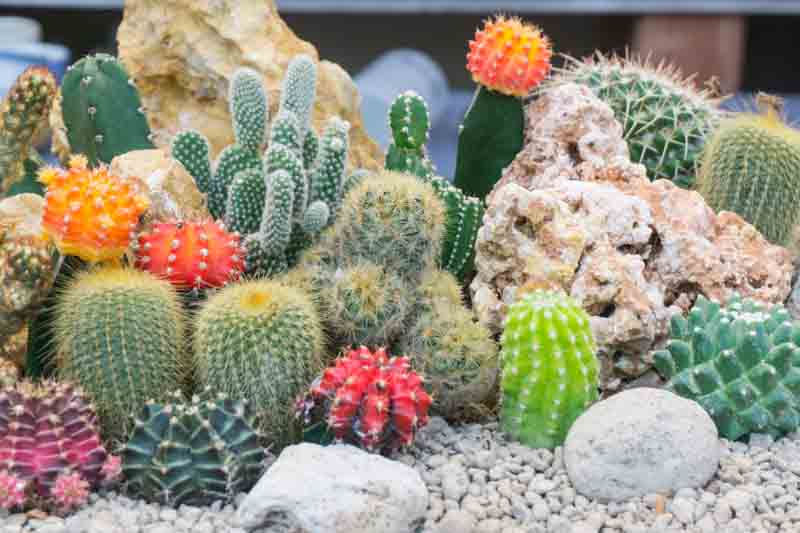
When working with limited space, selecting the right cactus species is critical. Mexican cacti vary widely in size, shape, and growth patterns, and choosing varieties that suit your available space ensures a flourishing garden. Small columnar types, such as the Mexican Fence Post Cactus or the Cereus peruvianus, are excellent choices for vertical accents. Their tall, slender forms allow for visual impact without taking up too much horizontal room. Meanwhile, smaller round cacti, like the Golden Barrel or Echinocactus grusonii, provide a contrasting texture that softens the visual rhythm of the garden.
For a more dynamic look, you can incorporate trailing cacti, such as the Rhipsalis species, which cascade gracefully over pots or shelves. These cacti are particularly effective in apartments or small patios, as they make use of vertical and hanging spaces, giving the illusion of a larger, more expansive garden. Understanding the mature size of each cactus is essential; overcrowding can stunt growth and create an environment more susceptible to pests and disease.
Maximizing Light in Small Spaces
Light is arguably the most crucial factor for Mexican cacti. In their natural habitat, these plants thrive under bright, direct sunlight, and even a few hours of shade can dramatically affect their health. In small spaces, finding the right balance of light requires a mix of strategy and creativity. South-facing windows are ideal for indoor cactus gardens, offering the most consistent and intense sunlight throughout the day. If your space lacks natural light, consider using full-spectrum grow lights to replicate the sun’s rays. Position the cacti close to the light source, but be mindful of overheating or sunburn, which can occur if the light is too intense or too close for prolonged periods.
Outdoor small spaces, such as balconies or terraces, can also be optimized by using reflective surfaces. Light-colored walls or mirrors can amplify sunlight, providing a brighter microenvironment for your cacti. Rotating the plants occasionally ensures even exposure, preventing uneven growth and leaning.
Soil and Drainage: The Foundation of Healthy Cacti
Healthy cacti begin with the right soil and drainage. Unlike typical houseplants, Mexican cacti require well-draining soil that prevents water from pooling around their roots. A compacted or overly moist substrate can quickly lead to root rot, which is often fatal. For small-space gardening, specialized cactus or succulent mixes are ideal. These blends typically include sand, perlite, and gravel, which create a gritty, porous medium that mimics desert soil.
If you prefer to create your own mix, combine regular potting soil with coarse sand and perlite in equal parts. This combination ensures that excess water drains quickly while retaining enough moisture for the cactus to absorb what it needs. Using pots with drainage holes is non-negotiable. In small spaces where you might be tempted to use decorative containers without holes, consider adding a layer of gravel at the bottom or drilling discreet drainage holes to maintain a healthy root system.
Watering Techniques for Small Gardens
Watering is another area where small-space gardeners often struggle. Overwatering is the most common mistake and can destroy a cactus faster than neglect. Mexican cacti are adapted to survive in arid conditions and store water in their thick, fleshy tissues. The key is to allow the soil to dry completely between watering. Depending on the season, this could mean watering as infrequently as once every two to three weeks during the growing season and even less in winter.
Observe your cacti closely; shriveled or soft tissue can indicate underwatering, while yellowing or mushy stems usually signal overwatering. Using a watering can with a narrow spout allows for precise application, ensuring water reaches the roots without splashing onto the plant body, which can cause rot. Small-space gardeners often face limited airflow, making it essential to monitor humidity levels, as high humidity combined with excess water can create an environment ripe for fungal infections.
Strategic Arrangement and Vertical Gardening
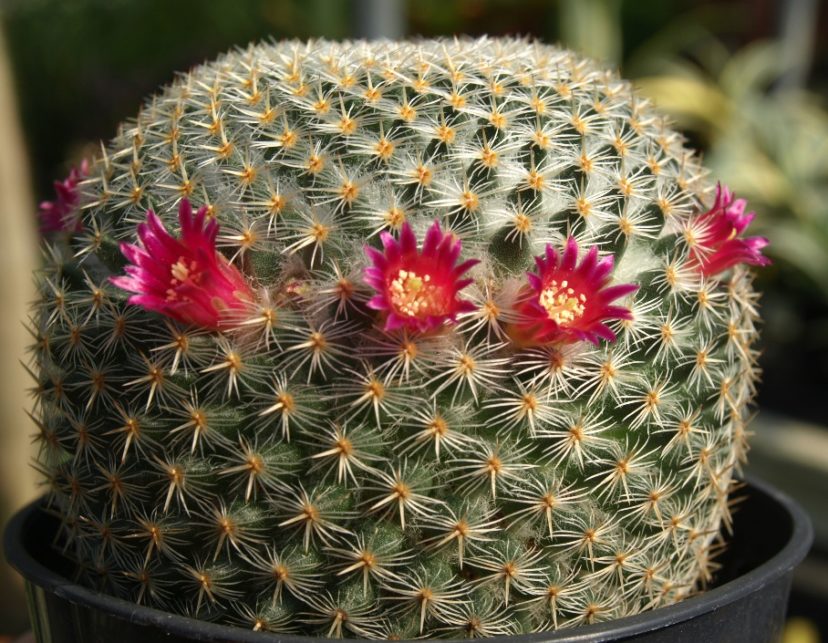
Arranging your Mexican cacti creatively can make a small space feel much larger. Play with height, texture, and color to create a visually engaging miniature desert landscape. Taller cacti can be positioned at the back or in corners to form natural focal points, while smaller cacti can be grouped in clusters to add density and depth. Placing trailing species along shelves, hanging baskets, or wall-mounted planters introduces movement and a sense of lushness without consuming floor space.
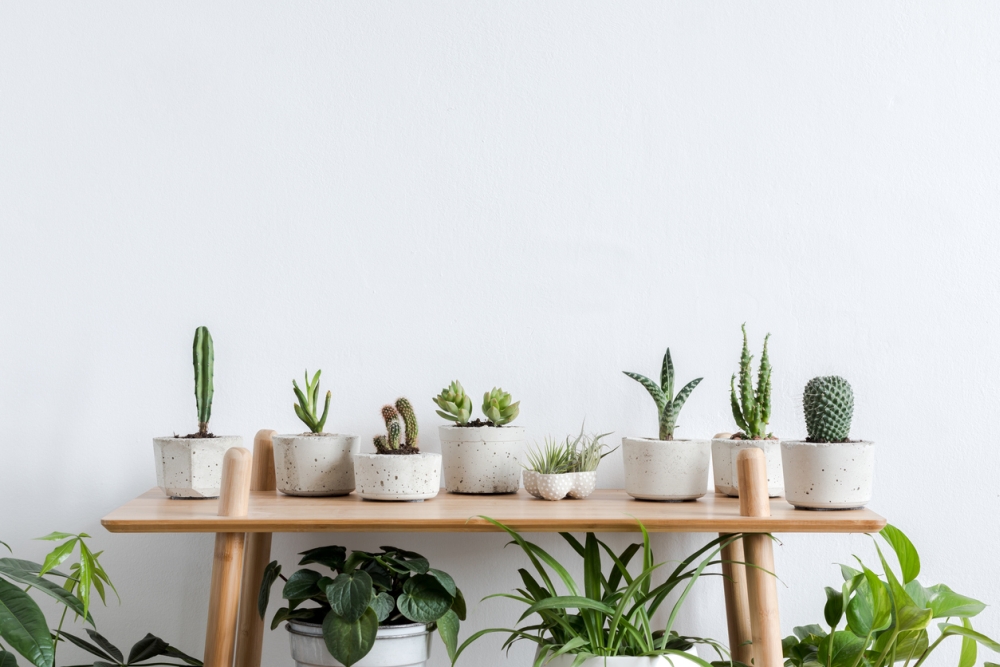
Vertical gardening is particularly effective for compact areas. Consider installing tiered shelves, stacked planters, or even repurposed wooden ladders to maximize vertical real estate. The variety in shapes and sizes, combined with creative elevation, gives the illusion of a more expansive garden while keeping maintenance manageable.
Fertilizing and Seasonal Care
While Mexican cacti are hardy, they benefit from occasional fertilization, especially in small-space gardens where natural soil nutrients are limited. Use a balanced, low-nitrogen fertilizer formulated for cacti and succulents. Fertilize during the growing season, typically spring and summer, and avoid feeding during dormancy in the colder months. Over-fertilizing can lead to rapid, weak growth that is more vulnerable to pests and disease, so moderation is key.
Seasonal care is equally important. Even indoor cacti are affected by changes in temperature and light. During winter, reduce watering and consider moving pots to sunnier spots to compensate for shorter daylight hours. For outdoor spaces, protect your cacti from unexpected frost or heavy rains by using portable covers or moving them into sheltered areas.
Dealing with Pests and Disease in Confined Spaces
Small-space gardens can be more susceptible to pests because plants are in close proximity, creating ideal conditions for infestations. Mealybugs, spider mites, and scale insects are the most common problems for Mexican cacti. Regular inspection is essential; look for tiny cotton-like clusters, webbing, or discolored spots on stems. Prompt action can prevent a minor issue from becoming catastrophic. Organic remedies such as neem oil, rubbing alcohol swabs, or insecticidal soaps are effective and safe for confined spaces.
Fungal and bacterial infections can also occur if ventilation is poor. Ensuring adequate airflow around your cacti, even in tight quarters, reduces the likelihood of mold or rot. Placing plants near open windows or using small fans can make a noticeable difference in the overall health of your garden.
Adding Aesthetic and Functional Touches
Creating a thriving Mexican cactus garden isn’t just about survival—it’s about creating a space that inspires joy and reflection. Decorative elements such as colorful stones, terracotta pots, or rustic wooden trays can complement the cacti and enhance visual appeal. Combining different textures, from spiky stems to soft moss or pebbles, adds dimension and keeps the eye engaged.
Lighting also plays a role in the ambiance. If natural light is limited, subtle LED or string lights can highlight your cacti, creating a warm, inviting atmosphere in the evenings. Small fountains or reflective surfaces can simulate the tranquility of a desert oasis, providing both aesthetic and emotional enrichment in confined urban spaces.
The Emotional Rewards of Small-Space Cactus Gardening
There is something profoundly satisfying about cultivating a cactus garden in a limited area. The process encourages mindfulness, patience, and attention to detail. Watching a tiny seedling mature into a towering columnar cactus or seeing a bud bloom into a vibrant flower offers a unique sense of accomplishment. Mexican cacti are resilient, much like the gardeners who nurture them, and this resilience becomes a metaphorical reminder of growth, perseverance, and the beauty of life’s slow processes.
For city dwellers or anyone with limited outdoor space, a well-planned cactus garden is a daily connection to nature, offering an escape from concrete landscapes and screen-filled environments.
Conclusion: Thriving in Small Spaces
Creating a thriving Mexican cactus garden in small spaces is a journey of observation, creativity, and patience. By carefully selecting species, optimizing light, ensuring proper soil and drainage, practicing mindful watering, and arranging your plants thoughtfully, even the smallest balcony or windowsill can become a flourishing desert retreat. Beyond its aesthetic appeal, this type of garden fosters mindfulness, satisfaction, and a deeper connection with nature’s resilience.
A small-space cactus garden proves that size does not limit beauty or abundance. With thoughtful care and a bit of imagination, you can cultivate a miniature Mexican desert that thrives year-round, offering both visual delight and personal fulfillment.